
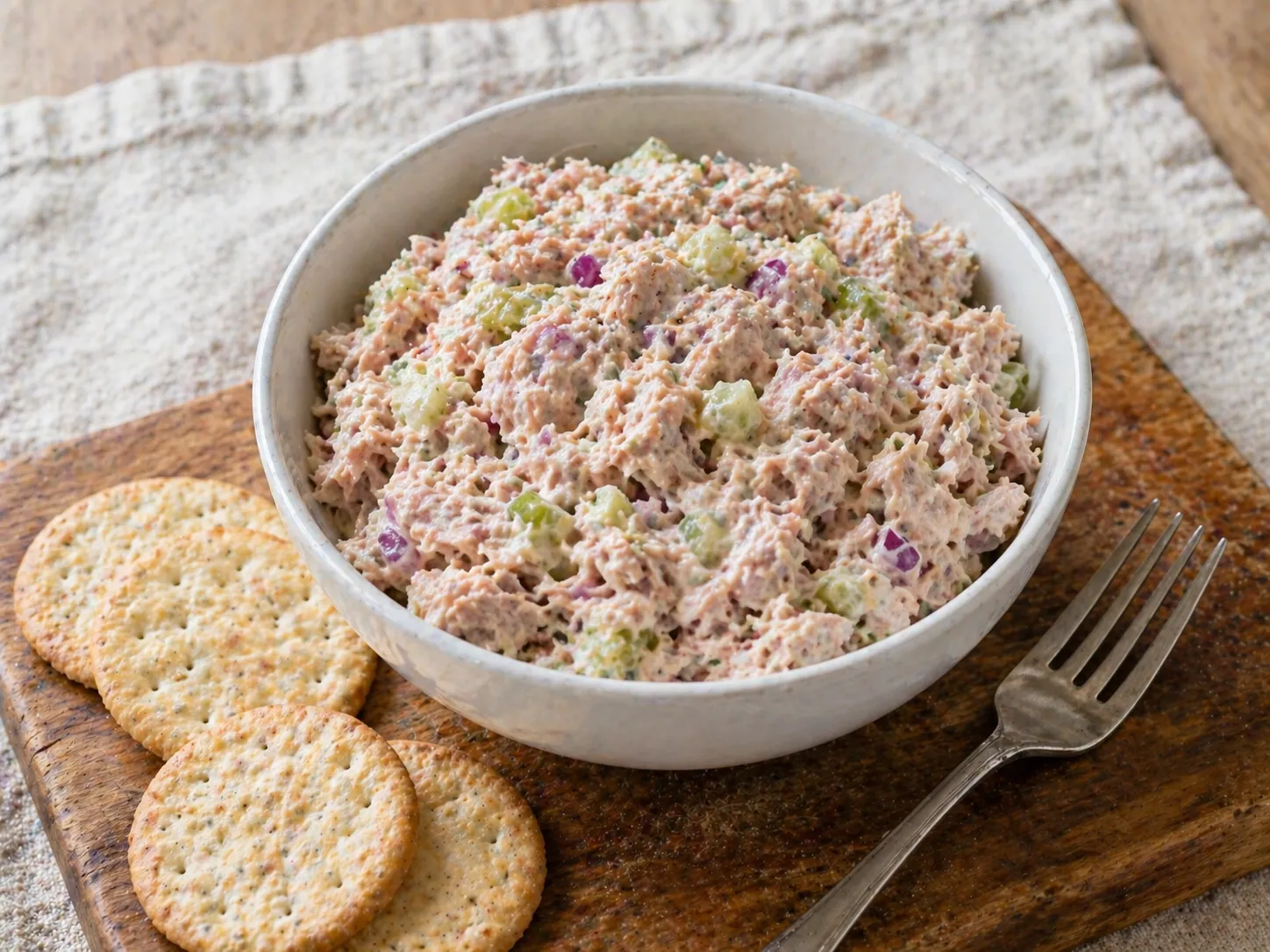
This tuna salad recipe takes about ten minutes and uses ingredients most people already have. The texture is creamy with just enough crunch, and the flavor is balanced without being heavy. It works for a quick weekday lunch, easy meal prep, or a simple sandwich that actually fills you up. No cooking required.
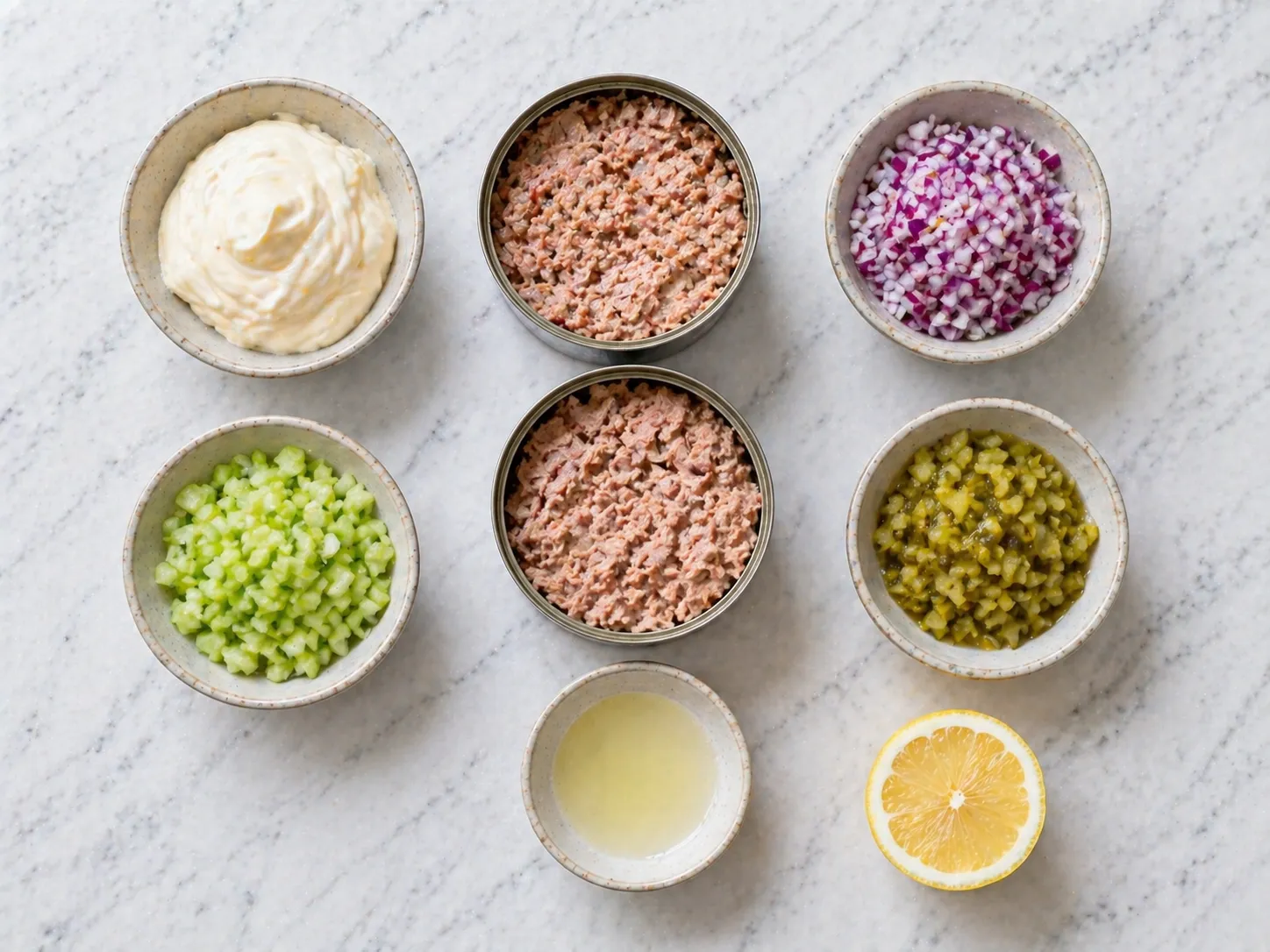
- Base
- 2 cans (5 oz each) canned tuna in water, well drained
- 3 tablespoons mayonnaise
- 1 teaspoon Dijon mustard
- Crunch and Flavor
- 2 celery stalks, finely chopped
- Half a small red onion, finely diced
- 2 tablespoons dill pickles, finely chopped
- Seasoning
- 1 tablespoon fresh lemon juice
- 1/4 teaspoon salt
- 1/4 teaspoon black pepper
- 1 tablespoon fresh dill or parsley, chopped (optional)
- Medium mixing bowl
- Small bowl for mixing the dressing
- Can opener
- Fine mesh strainer or colander
- Cutting board
- Chef's knife
- Fork for breaking up the tuna
- Whisk or fork for the dressing
- Airtight container for storing leftovers
- Drain and flake the tuna
- Chop the vegetables
- Whisk the dressing together
- Mix everything gently
- Rest, taste, and serve
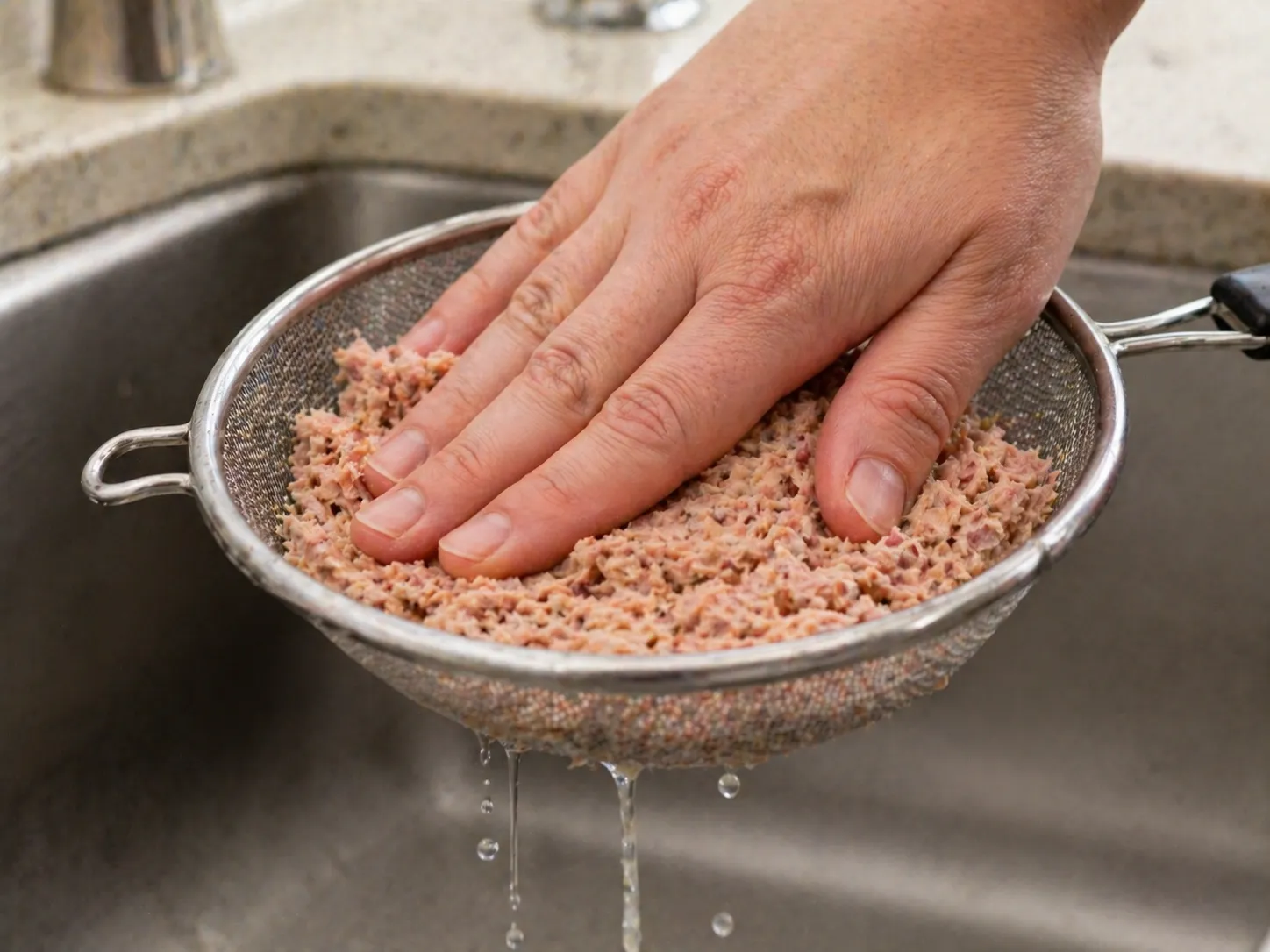
- Open both cans and drain the tuna completely. Use the can lid to press out as much liquid as you can, or tip the tuna into a fine mesh strainer and press it down firmly. Wet tuna will water down the whole salad.
- Transfer the tuna to a medium bowl and break it apart with a fork. You want it flaked, not mashed. Leave some texture in there.
- Finely chop the celery, red onion, and dill pickles. Smaller pieces mean better distribution in every bite. Large chunks tend to take over.
- In a small bowl, combine the mayonnaise, Dijon mustard, lemon juice, salt, and black pepper. Whisk until the dressing is smooth.
- Add the chopped vegetables to the bowl with the tuna. Pour the dressing over the top.
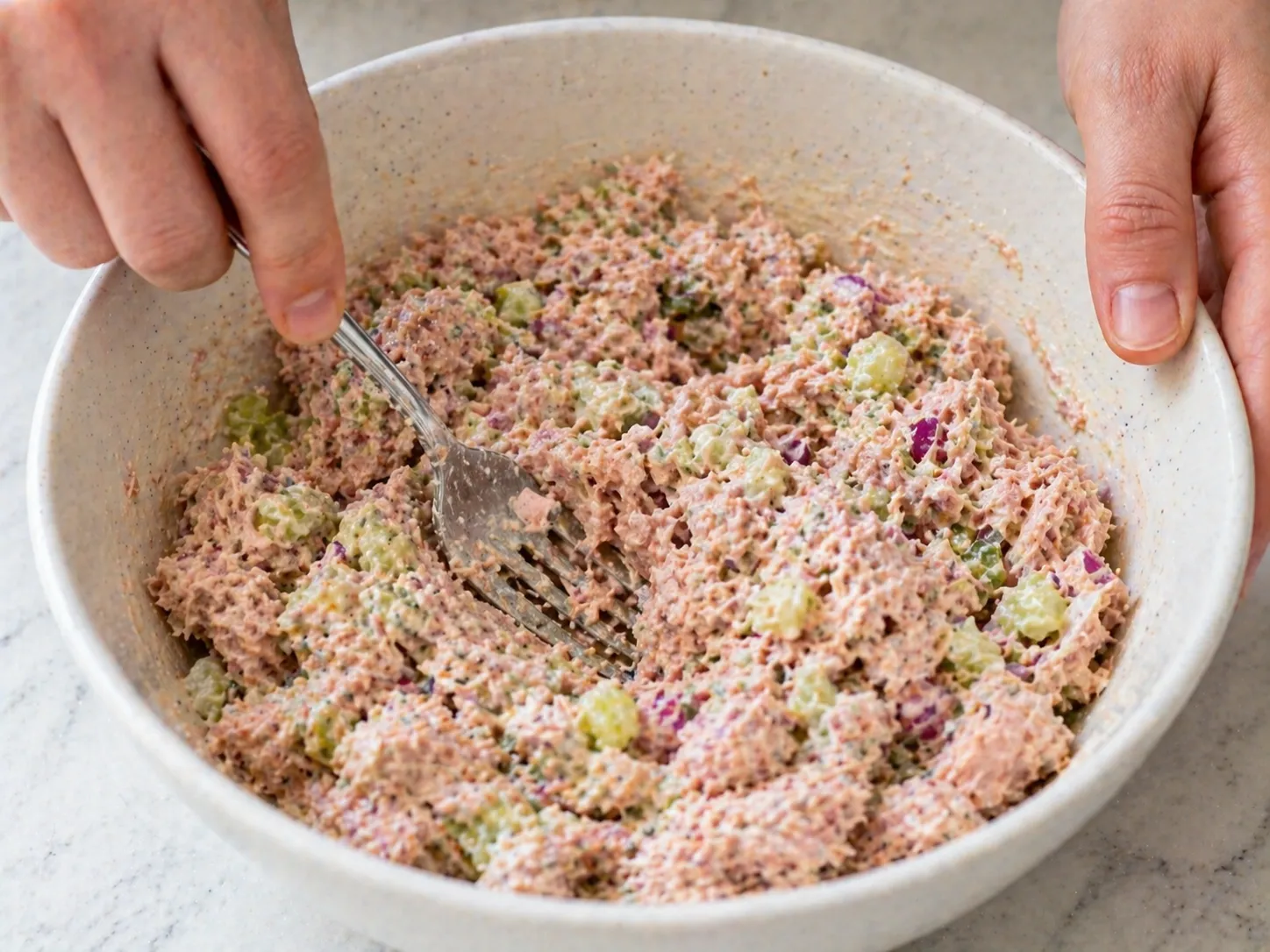
- Stir everything together gently. You are looking for even coating, not a uniform paste. Stop mixing once it comes together.
- Taste it. Adjust with a little more salt, pepper, or lemon juice until the balance feels right to you.
- Cover and refrigerate for at least 15 minutes before serving. The flavors settle and improve noticeably with that short rest.
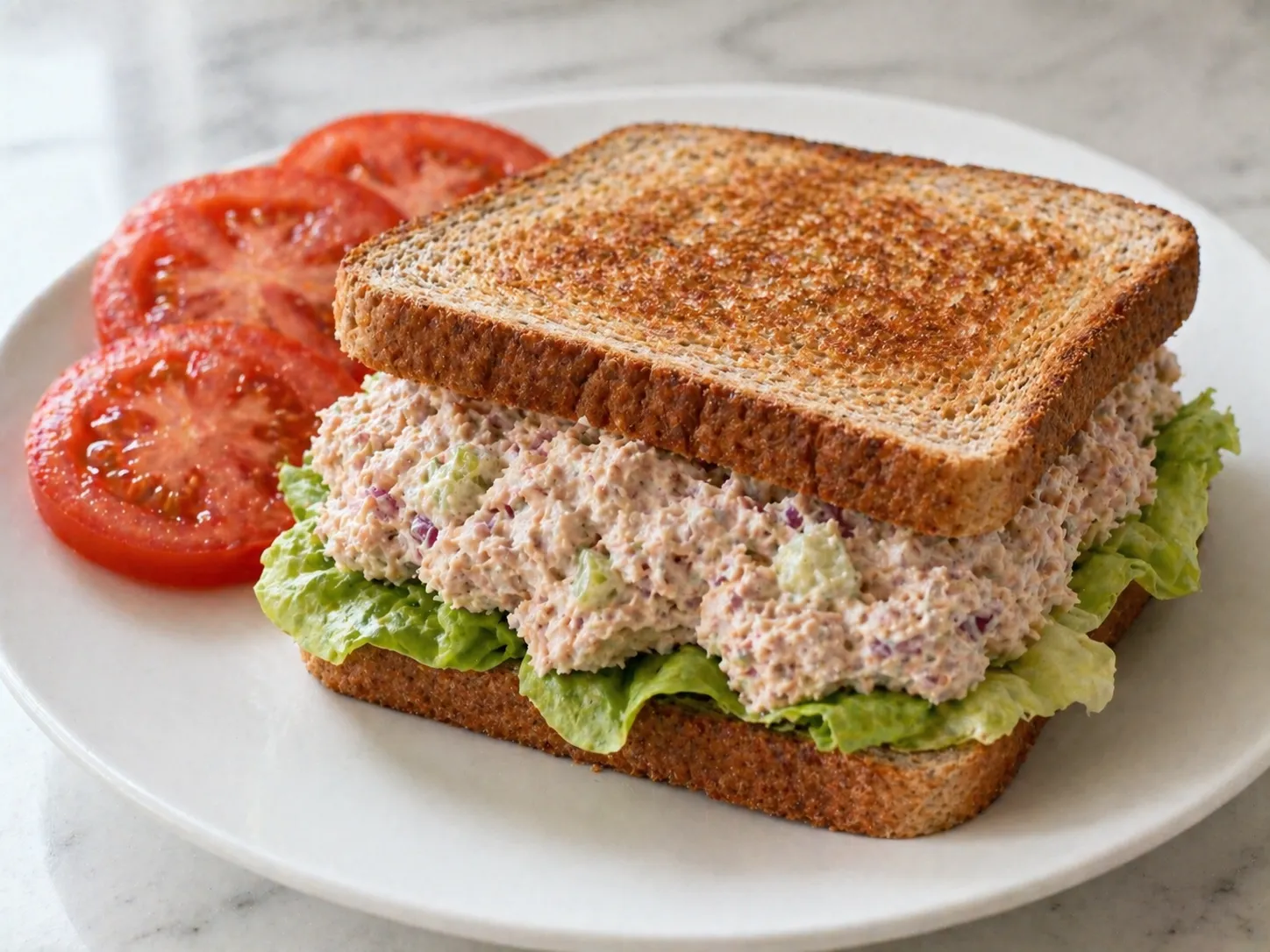
- Serve on toasted bread, in lettuce cups, with crackers, or over a bed of greens.
- Drain the tuna really well. This is the single most important step. Any excess liquid left in the can will make your salad watery within minutes.
- Chop everything small. Celery and onion should blend into the salad, not stand out in big uneven pieces.
- Mix the dressing separately before adding it. This ensures every part of the salad gets evenly coated without you having to overmix.
- Always taste before serving. Canned tuna varies in saltiness depending on the brand, so season at the end.
- Let it chill. That 15 minute rest in the fridge is worth it. The flavors come together in a way they just do not when served immediately.
- Fresh lemon juice works better than bottled here. It is brighter and does not have that faint chemical aftertaste.
- Not draining the tuna well enough, which leads to a watery, bland result
- Adding too much mayo at the start before tasting the balance first
- Mixing too aggressively until the tuna completely loses its texture
- Using sweet pickle relish instead of dill pickles, which throws off the savory balance of the whole salad
- Serving it straight from the mixing bowl without giving it time to rest
- Chopping the vegetables too roughly so they dominate instead of complement
- Swap mayonnaise for plain Greek yogurt, mashed avocado, or half of each for a lighter version
- Use tuna packed in olive oil for a richer, more savory result
- Stir in one finely chopped hard boiled egg to add creaminess and extra protein
- Add a teaspoon of capers if you want a slightly bolder, brinier flavor
- Mix in a small amount of diced apple or halved grapes for a sweet contrast that works surprisingly well
- Use a pinch of smoked paprika or cayenne if you want a little heat
- Swap red onion for sliced green onions if you prefer a milder flavor
- Toasted sourdough, whole wheat, or rye bread for a classic sandwich
- Butter lettuce cups if you want something lighter
- Crackers or rice cakes as a quick snack option
- Thinly sliced cucumber rounds for scooping
- A bowl of tomato soup alongside a toasted tuna melt version
- A simple romaine or arugula salad
- Coleslaw on the side for a more complete plate
- Store in an airtight container in the refrigerator for up to 3 days
- Do not freeze this salad. Mayo breaks down when frozen and thawed, and the texture will not recover
- Keep it covered in the fridge so it does not pick up other odors
- Give it a stir before serving if it has been sitting, since some liquid may settle at the bottom
- Do not leave it out at room temperature for more than 2 hours
- Tuna salad is meant to be served cold or at room temperature. It is not a dish you reheat
Yes, and it adds a richer flavor. Just drain it as thoroughly as you would water packed tuna.
Up to 3 days in a sealed container. After that the texture starts to break down and the smell changes.
Yes. Greek yogurt, mashed avocado, or a mix of both are all solid replacements. The flavor changes slightly but it still works well.
Most likely the tuna was not drained properly, or it needs more salt, a little more lemon juice, or an extra hit of mustard. Taste it and adjust one thing at a time.
A few times per week is generally considered fine for most adults. Daily consumption is not recommended because of mercury levels, particularly for pregnant women and young children.
Yes. Cook 2 cups of elbow macaroni or rotini, let it cool completely, and fold it into the finished salad. Add a tablespoon or two of extra mayo since the pasta will absorb some of the dressing.
- Drain thoroughly: Any liquid left in the tuna will make the salad watery fast. Take the extra 30 seconds to press it out properly.
- Start with less mayo: Three tablespoons is the base amount. Taste first before adding more. It is easy to add and impossible to take back.
- Do not skip the rest time: Fifteen minutes in the fridge makes the flavors more cohesive. The difference is noticeable.
- Tuna variety matters: Chunk light has a stronger, fishier taste. Solid white albacore is milder and has a meatier texture. Pick based on your preference.
- Pickle juice works great here: If you want more tang without changing the texture, use a tablespoon of pickle brine instead of lemon juice.
- Lighten it up easily: Replace half the mayo with plain Greek yogurt. The salad stays creamy but gets a little extra protein and less fat.
A tuna salad recipe this straightforward earns its place in regular rotation for one simple reason: it works. It takes almost no time, it uses what you already have, and it holds up in the fridge for days. Make a batch at the start of the week and lunch is taken care of without any extra effort. That kind of reliability is hard to argue with. The base recipe is solid enough to use as is, and flexible enough to adjust every time depending on what you are in the mood for or what you have on hand. Once you get the drain, mix, and rest steps down, you will not need to look at a recipe again.