
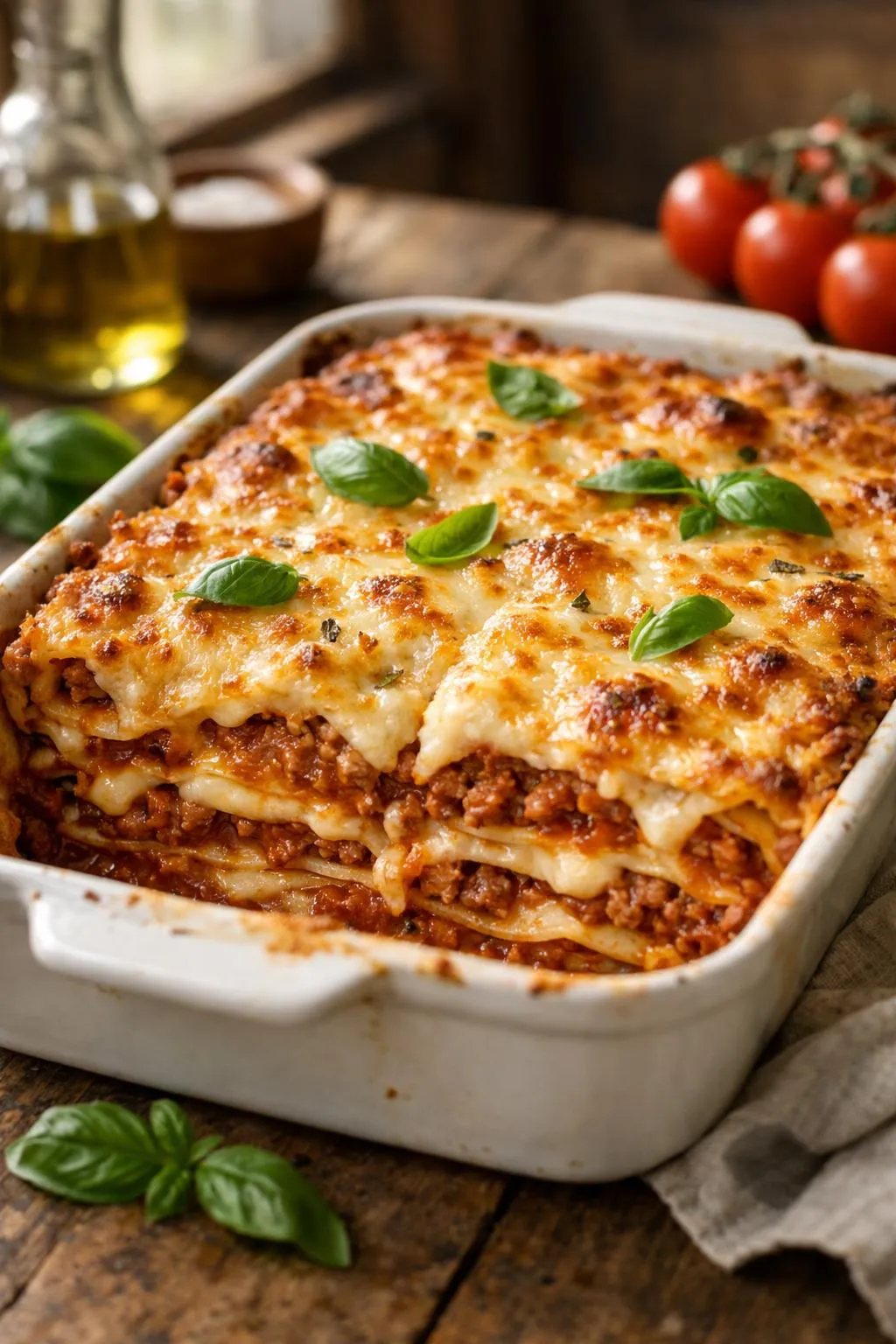
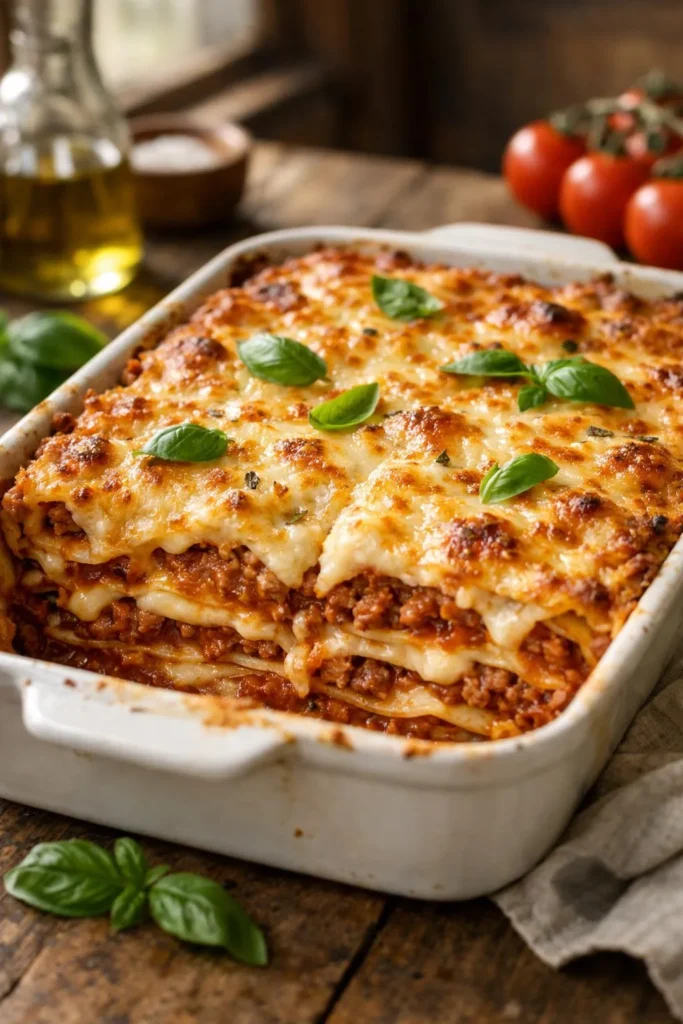
Prep Time: 30 minutes | Cook Time: 1 hour | Total Time: 1 hour 30 minutes | Servings: 8
There is something about a big pan of homemade lasagna that just hits different. I remember the first time my nonna pulled one out of the oven on a Sunday afternoon — the smell alone was enough to make everyone come running from the other rooms. That memory is what keeps me coming back to this lasagna recipe every single time I want to feed people I love.
This is not a complicated, restaurant-only kind of dish. I promise. Once you get the hang of the layers, it honestly becomes one of the most satisfying things you can make in your kitchen. The rich, slow-cooked meat sauce, the creamy white sauce in between, and all that gloriously melted cheese on top — it is pure comfort in every single bite.
Whether you are making it for a weeknight family dinner, a potluck, or just because you are craving something hearty and homemade, this lasagna recipe is going to be your new go-to. Let me show you exactly how I make it — step by step, no stress.
Ingredients for Lasagna Recipe
I always use full-fat ricotta and freshly grated Parmesan — it makes such a big difference in the final texture and taste. Do not skip the nutmeg in the bechamel; just a tiny pinch makes the whole sauce taste warmer and more rounded.
For the Meat Sauce:
- 500g (1 lb) ground beef or a mix of beef and pork
- 1 medium onion, finely chopped
- 4 garlic cloves, minced
- 2 cans (400g each) crushed tomatoes
- 2 tablespoons tomato paste
- 1 teaspoon dried oregano
- 1 teaspoon dried basil
- 1/2 teaspoon sugar (to balance acidity)
- Salt and black pepper to taste
- 2 tablespoons olive oil
For the Bechamel (White Sauce):
- 60g (4 tablespoons) butter
- 60g (1/2 cup) all-purpose flour
- 750ml (3 cups) whole milk, warm
- 1/4 teaspoon ground nutmeg
- Salt and white pepper to taste
For the Layers:
- 12–16 lasagna sheets (dried or fresh)
- 250g (1 cup) full-fat ricotta cheese
- 300g (3 cups) shredded mozzarella cheese
- 100g (1 cup) freshly grated Parmesan cheese
- 1 egg (to mix into ricotta)
Step-by-Step Instructions
The secret to a truly great lasagna recipe is patience with the meat sauce. Let it simmer low and slow for at least 30 minutes. The longer it cooks, the deeper and richer the flavor gets. Also, do not overcook your pasta sheets if using dried — they will continue cooking in the oven.
Step 1 — Make the Meat Sauce
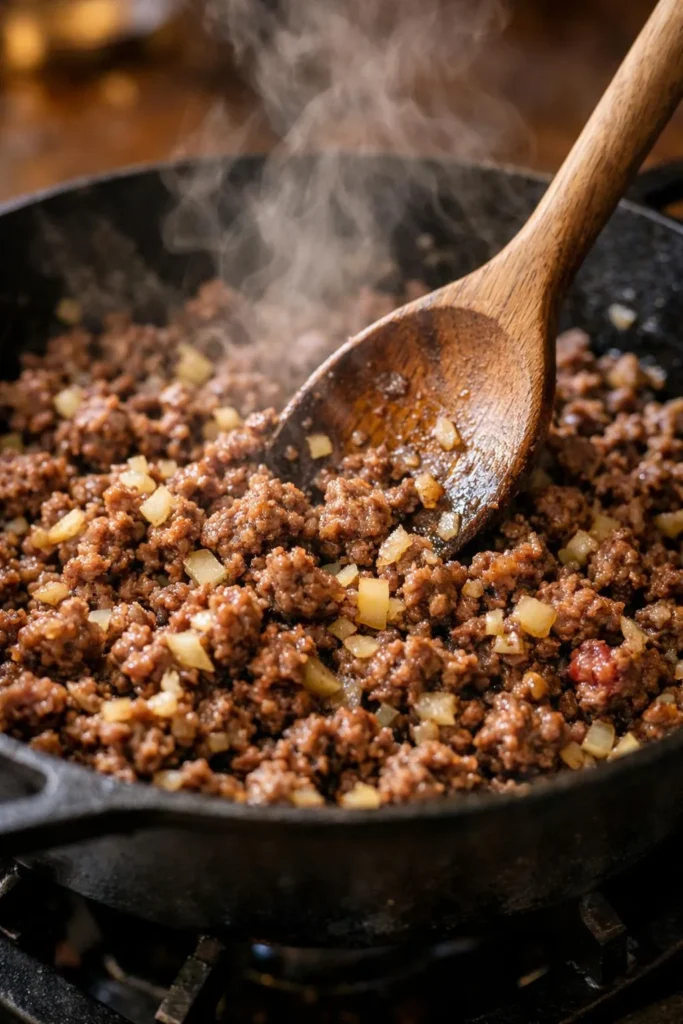
Heat olive oil in a large heavy-bottomed pan over medium heat. Add the chopped onion and cook for about 5 minutes until it softens and turns translucent. Add the garlic and cook for another minute — your kitchen is going to smell incredible right now.
Add the ground meat and break it apart with a wooden spoon. Cook until it is fully browned, about 8–10 minutes. Drain any excess fat if needed. Stir in the tomato paste and cook for 2 minutes. Pour in the crushed tomatoes, add the oregano, basil, sugar, salt and pepper. Stir well, then reduce heat to low and let the sauce simmer for at least 30 minutes, stirring occasionally.
Step 2 — Make the Bechamel Sauce
Melt the butter in a medium saucepan over medium heat. Once it foams, add the flour all at once and whisk constantly for about 2 minutes — this cooks out the raw flour taste. Now slowly pour in the warm milk, whisking the whole time so no lumps form. Keep whisking over medium heat until the sauce thickens nicely, about 5–7 minutes. Season with nutmeg, salt and white pepper. Set aside.
Step 3 — Prepare the Ricotta Mixture
In a bowl, mix together the ricotta cheese, the egg, a pinch of salt, some black pepper, and a handful of the Parmesan. This mixture is what gives the lasagna that creamy, almost custard-like quality between the layers. Set it aside.
Step 4 — Cook the Pasta (if using dried)
Bring a large pot of salted water to a boil. Cook the lasagna sheets for 2 minutes less than the package says — they should be slightly underdone. Drain them and lay them flat on a clean kitchen towel so they do not stick together. If you are using fresh pasta sheets, you can skip this step entirely.
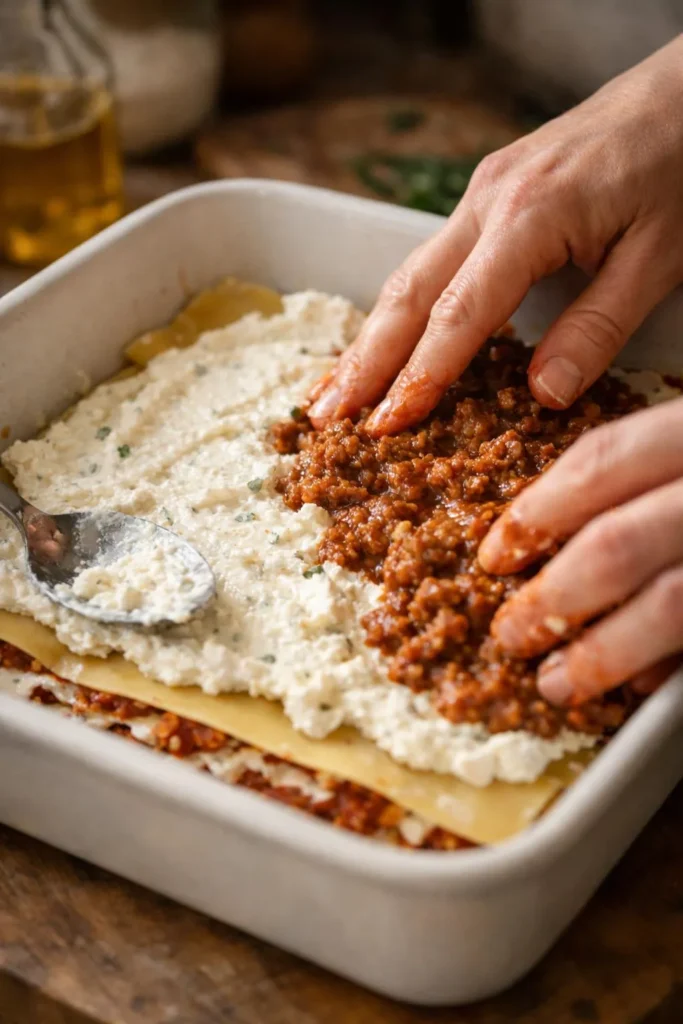
Step 5 — Layer the Lasagna
Preheat your oven to 190°C (375°F). Grab a 9×13 inch baking dish and spread a thin layer of meat sauce on the bottom — this keeps the pasta from sticking. Now lay your first layer of pasta sheets over it. Spread some of the ricotta mixture, then a layer of meat sauce, a drizzle of bechamel, and a sprinkle of mozzarella. Repeat the layers until you run out of ingredients.
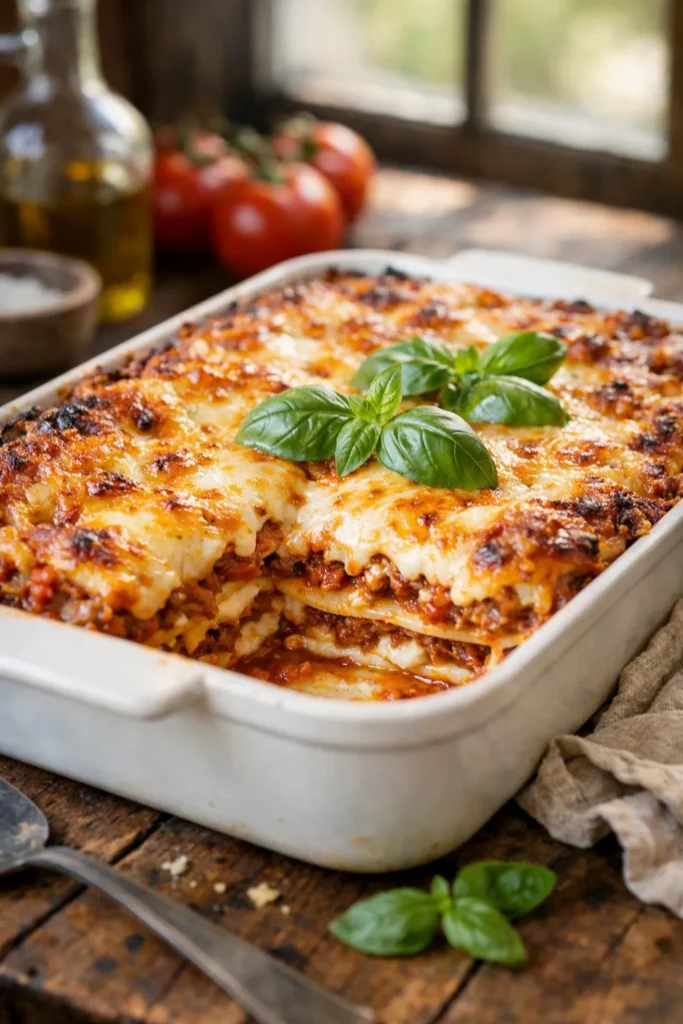
For the very top layer, make sure you finish with pasta sheets, a generous pour of bechamel, the remaining mozzarella, and a good handful of Parmesan. That golden, bubbly cheese top is what everyone is going to be reaching for first.
Step 6 — Bake
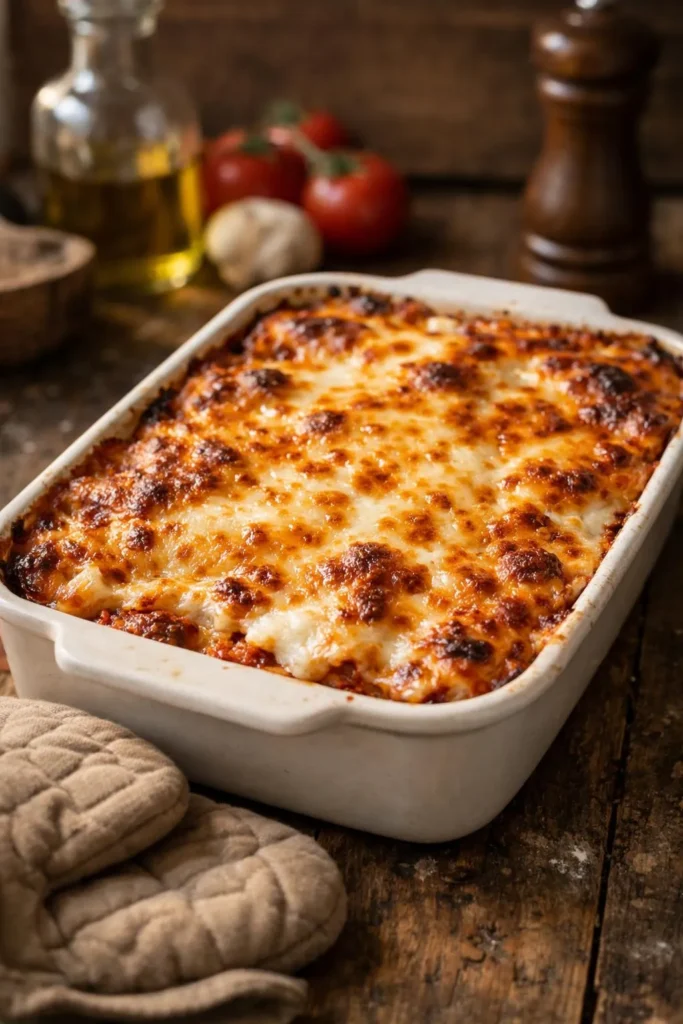
Cover the baking dish tightly with foil and bake for 30 minutes. Then remove the foil and bake for another 20–25 minutes until the top is golden and bubbling and the edges are slightly crispy. The smell coming from your oven right now should be absolutely wild.
Step 7 — Rest Before Serving
This is the hardest part — you have to wait. Let the lasagna rest for at least 15 minutes before cutting into it. I know, I know. But this gives the layers time to set so you get those beautiful clean slices instead of a melty pile (which honestly also tastes amazing, but still).
What to Serve With Lasagna Recipe
Lasagna is already a full, hearty meal on its own, but the right sides can really round out the whole dinner experience. Here are five of my favorite things to serve alongside it:
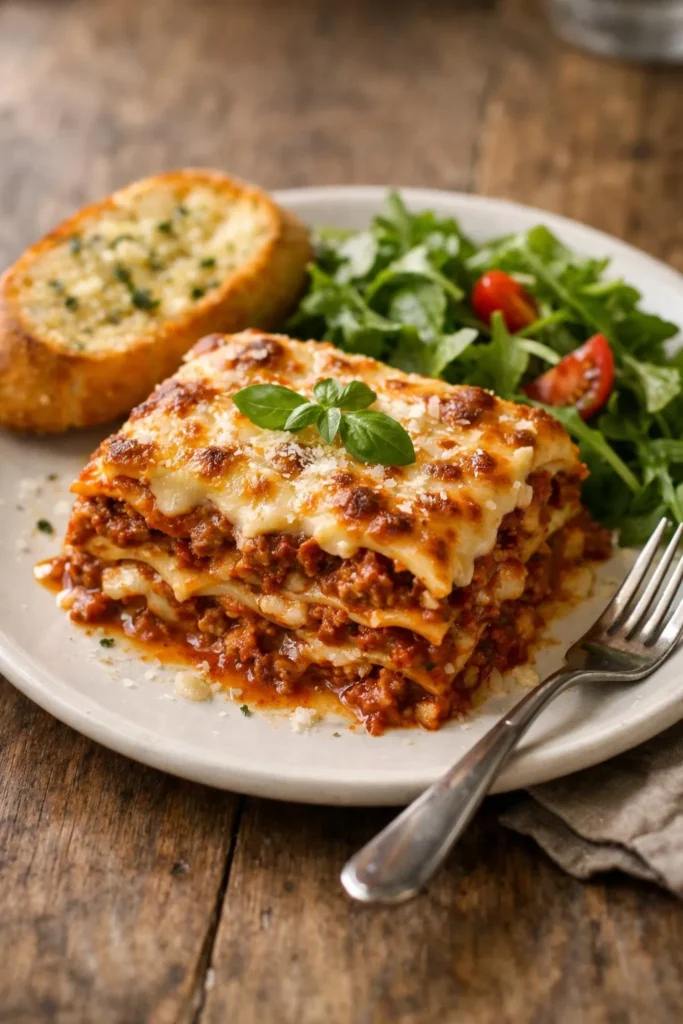
Garlic Bread Thick slices of crusty Italian bread brushed with garlic butter and toasted until golden and crispy. It is perfect for scooping up any extra sauce left on the plate. Nobody at the table will say no to garlic bread, ever.
Simple Green Salad A lightly dressed arugula or mixed greens salad with a lemon vinaigrette cuts through the richness of the lasagna beautifully. Keep it simple — just greens, a little shaved Parmesan, and some cherry tomatoes.
Roasted Vegetables Oven-roasted zucchini, bell peppers or asparagus on the side add color to the plate and balance out all the cheesy goodness. Drizzle them with olive oil and roast at the same time as your lasagna.
Caprese Salad Fresh mozzarella, ripe tomatoes, basil leaves, a drizzle of olive oil and a pinch of sea salt. Caprese is the ultimate Italian side and it feels so right next to a classic lasagna recipe.
A Glass of Red Wine Okay, not technically a food side, but a glass of Chianti or Sangiovese alongside your lasagna recipe is an absolute game changer. The tannins in the wine pair perfectly with the rich meat sauce. Adults only, obviously.
Storage & Serving Tips
Room Temperature Do not leave baked lasagna sitting out at room temperature for more than 2 hours. After that it should go into the fridge or it is not safe to eat anymore.
Refrigerator Once fully cooled, cover the dish tightly with plastic wrap or transfer individual portions into airtight containers. It keeps well in the fridge for up to 4–5 days. Honestly, the lasagna recipe tastes even better on day two because the flavors have had time to really come together.
Freezer This lasagna recipe is a freezer superstar. You can freeze it before or after baking. Assemble it completely, wrap tightly in two layers of foil, and freeze for up to 3 months. Label it with the date so you do not forget what it is.
Reheating From the fridge: Cover with foil and reheat in a 180°C (350°F) oven for about 20–25 minutes until heated through. Or microwave individual portions for 2–3 minutes, covered.
From frozen: Thaw overnight in the fridge first, then reheat as above. If baking from frozen, cover with foil and bake at 180°C for about 1 hour, removing foil for the last 15 minutes.
Common Mistakes to Avoid
1. Skipping the Rest Time Cutting into your lasagna straight out of the oven is the most common mistake people make. The layers need at least 15 minutes to set. If you cut too early, everything just slides apart and you lose those beautiful layers.
2. Watery Meat Sauce If your sauce is too thin and watery, the lasagna will be a soggy mess. Let your meat sauce simmer long enough for the liquid to reduce. You want it thick and deeply flavored, not runny.
3. Undercooked or Overcooked Pasta If using dried pasta sheets, cook them just slightly under the packet time. They will finish cooking in the oven. Overcooked pasta turns mushy and does not hold up in the layers.
4. Lumpy Bechamel Always add warm milk to the roux slowly while whisking constantly. If you pour cold milk in all at once, you will get lumps. If lumps do happen, just strain the sauce through a fine mesh sieve — it will be fine.
5. Not Enough Sauce Between Layers Being stingy with the sauce is a real mistake. Make sure every pasta layer is generously covered. Dry spots in the final lasagna usually come from not having enough sauce coverage between sheets.
Variations
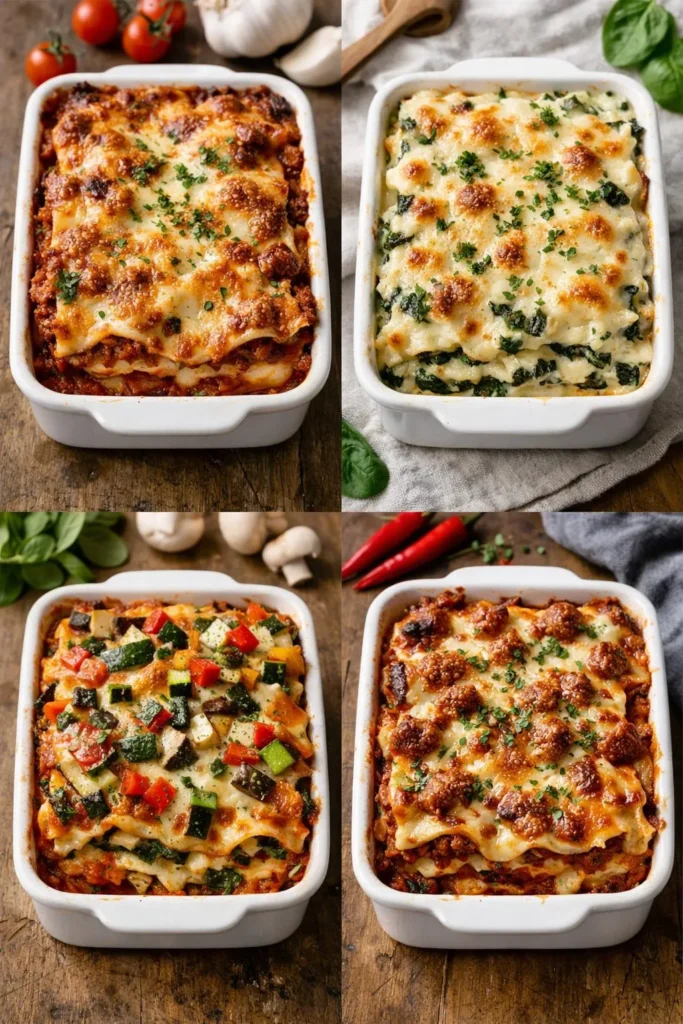
Vegetarian Lasagna Swap the meat sauce for a rich roasted vegetable sauce made with zucchini, eggplant, bell peppers, spinach and mushrooms. Use the same bechamel and cheese layers. It is just as hearty and satisfying as the original lasagna recipe, and honestly a lot of people prefer it.
Spinach and Ricotta White Lasagna Skip the tomato meat sauce entirely and go for a white lasagna made with layers of bechamel, sauteed spinach, ricotta and plenty of Parmesan. It is creamy, elegant and a little lighter than the classic version. Great for when you want something different but still deeply comforting.
Spicy Sausage Lasagna Replace the ground beef with spicy Italian sausage and add some red chili flakes to the sauce. The heat and smokiness from the sausage take the flavor to a completely different level. Perfect for anyone who likes things with a bit of a kick.
Chicken and Sun-Dried Tomato Lasagna Use shredded rotisserie chicken instead of ground beef, and add sun-dried tomatoes and fresh basil to the sauce. It is lighter than the beef version but still incredibly flavorful and satisfying. Great for a summer dinner party.
Conclusion
If you try this lasagna recipe, I really hope it becomes a favorite in your home the way it has in mine. Drop a comment below and let me know how it turned out — did you stick with the classic or try one of the variations? And if this recipe made you happy, please save it on Pinterest so you can always find it again. Sharing is caring, and this is one recipe worth sharing with everyone you love.
Recipe Card — Classic Lasagna Recipe
Recipe Name: Classic Lasagna Recipe With Layers of Rich Meat Sauce & Melted Cheese Prep Time: 30 minutes | Cook Time: 1 hour | Total Time: 1 hour 30 minutes Servings: 8 | Category: Main Course | Cuisine: Italian
Equipment:
- 9×13 inch (23×33 cm) deep baking dish
- Large heavy-bottomed pan or Dutch oven
- Medium saucepan
- Whisk
- Large pot for boiling pasta
- Aluminum foil
Ingredients:
- 500g ground beef (or beef/pork mix)
- 1 medium onion, finely chopped
- 4 garlic cloves, minced
- 2 cans (400g each) crushed tomatoes
- 2 tablespoons tomato paste
- 1 teaspoon each dried oregano and basil
- 1/2 teaspoon sugar
- Salt, black pepper, olive oil
- 60g butter, 60g all-purpose flour (for bechamel)
- 750ml whole milk, warm
- 1/4 teaspoon ground nutmeg
- 12–16 lasagna pasta sheets
- 250g full-fat ricotta cheese
- 300g shredded mozzarella cheese
- 100g freshly grated Parmesan cheese
- 1 egg
Instructions:
- Heat olive oil in a large pan over medium heat. Cook onion 5 minutes, then add garlic and cook 1 minute.
- Add ground meat, break apart and cook until browned, 8–10 minutes. Drain excess fat.
- Stir in tomato paste (cook 2 min), then crushed tomatoes, herbs, sugar, salt and pepper. Simmer on low 30 minutes.
- For bechamel: melt butter, whisk in flour for 2 min. Slowly add warm milk whisking constantly. Cook until thick. Season with nutmeg, salt and white pepper.
- Mix ricotta with 1 egg, salt, pepper and a handful of Parmesan. Set aside.
- Cook dried pasta sheets 2 minutes less than package says. Drain and lay flat.
- Preheat oven to 190°C (375°F). Spread thin meat sauce on bottom of baking dish.
- Layer: pasta sheets, ricotta mix, meat sauce, bechamel, mozzarella. Repeat layers.
- Final top layer: pasta sheets, bechamel, remaining mozzarella and all Parmesan.
- Cover with foil, bake 30 minutes. Remove foil, bake 20–25 more minutes until golden and bubbling.
- Rest 15 minutes before slicing and serving.
Notes:
- Meat sauce can be made up to 2 days ahead and stored in the fridge.
- Fresh pasta sheets do not need pre-cooking.
- Leftovers taste even better the next day — the flavor deepens overnight.
- Freeze assembled (before baking) for up to 3 months.
- A tiny pinch of nutmeg in the bechamel is the secret weapon of this recipe.