
Prep Time: 10 to 15 mins | Cook Time: 5 to 45 mins | Total Time: 20 to 60 mins | Servings: 4
Cabbage is cheap, available year-round, and far more useful in the kitchen than most people give it credit for. It roasts well, braises well, holds up in soups, and works raw in slaws. The problem is not the ingredient — it is usually just a lack of ideas for what to do with it.
This roundup covers ten practical cabbage recipes using everyday ingredients and straightforward techniques. Some are side dishes. Some are full meals. Several hold well in the fridge for days, which makes them worth keeping in a regular weeknight rotation.
If there is a head of cabbage sitting in the fridge without a plan attached to it, this is the right place to start.
Why You’ll Love These Cabbage Recipes
- One of the most affordable vegetables available year-round
- Covers sides, mains, soups, and salads — enough variety to avoid repetition
- Most are ready in 30 minutes or less
- Works with green, red, napa, and savoy cabbage
- Naturally low in calories and high in fiber
- Most preparations store well for several days — good for meal prep
What You Need — Key Ingredients Across These Cabbage Recipes
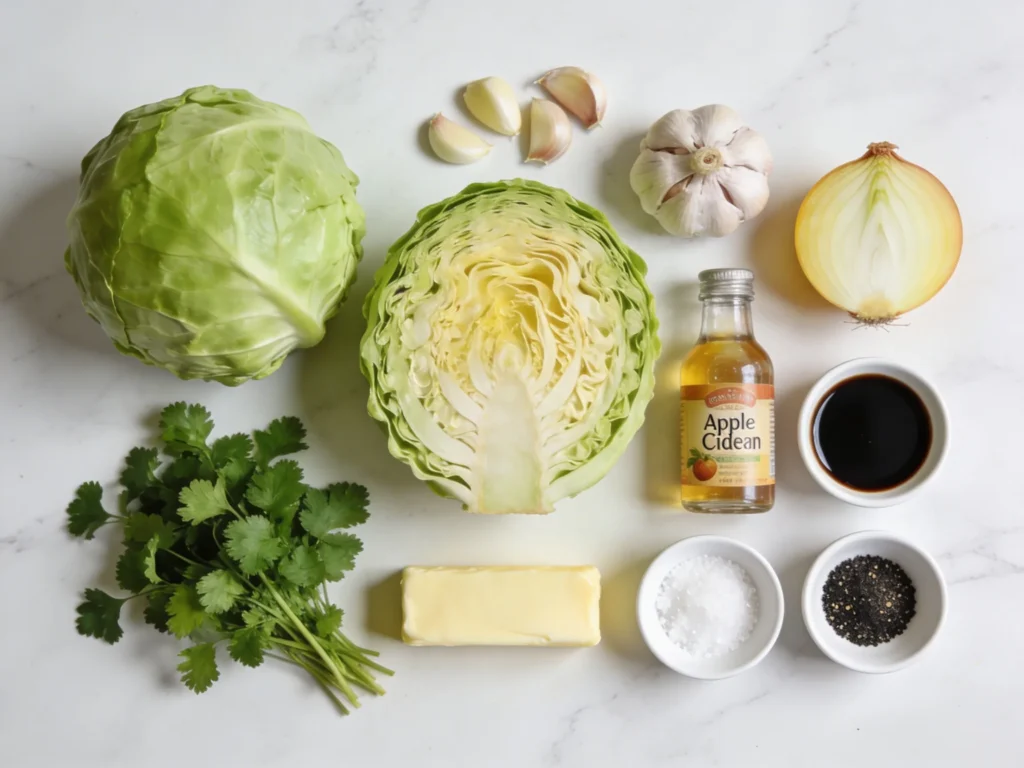
Most of these ideas draw from a short list of pantry staples. Having these on hand means pulling together most of the options below without a special shopping trip.
Pantry essentials:
- 1 medium head green or red cabbage, approximately 2 lbs
- Olive oil or neutral vegetable oil
- Fresh garlic cloves
- Yellow or white onion
- Salt and black pepper
- Apple cider vinegar or white wine vinegar
- Soy sauce or tamari
- Chicken stock or vegetable stock
- Unsalted butter
Optional ingredients depending on recipe:
- Bacon or pancetta
- Caraway seeds
- Sesame oil and sesame seeds
- Fresh ginger
- Chili flakes or sriracha
- Dijon mustard
- Fresh lemon juice
- Canned diced tomatoes
- Cooked ground beef or sausage
10 Easy Cabbage Recipe Ideas
1. Sautéed Garlic Butter Cabbage
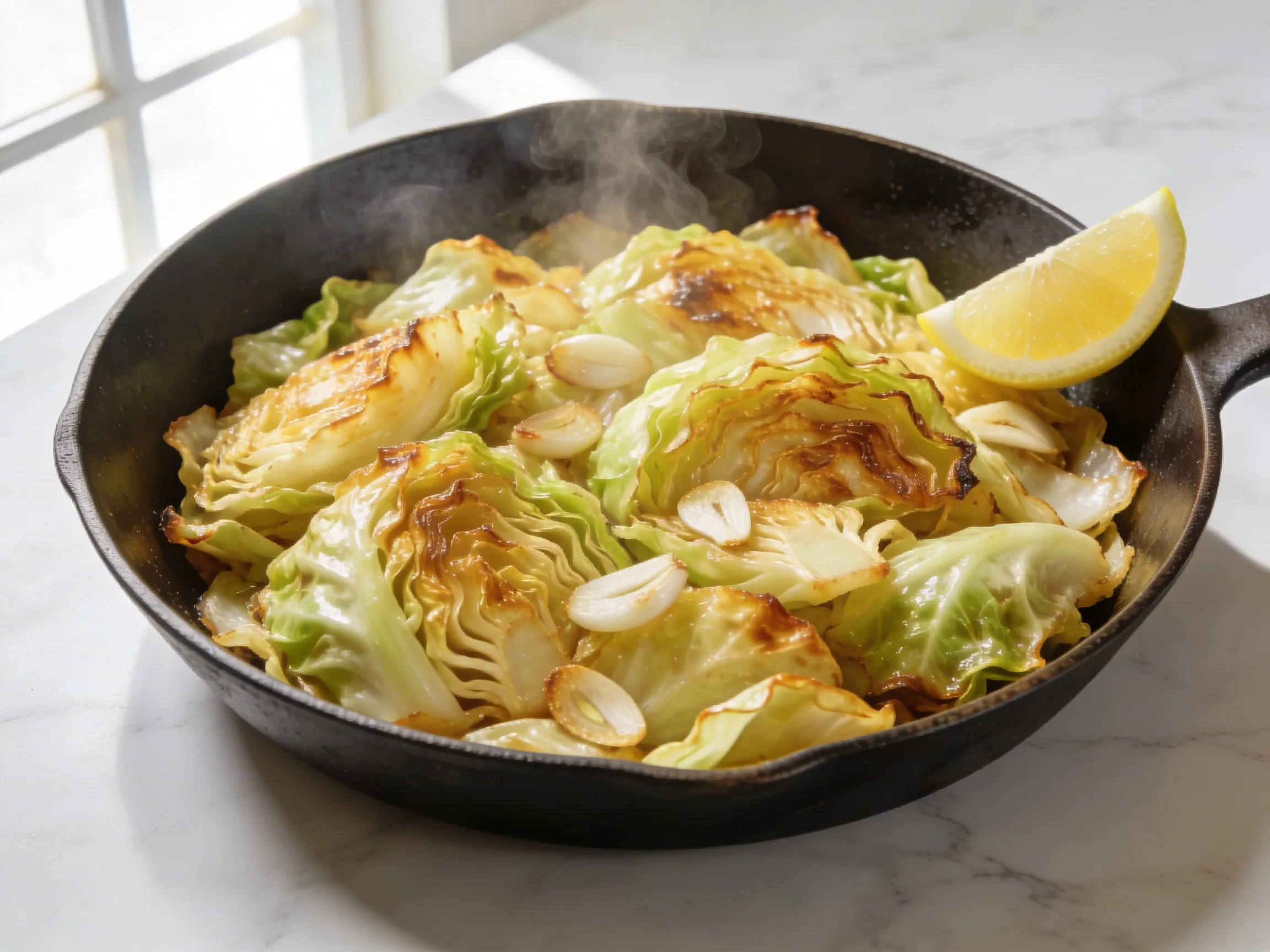
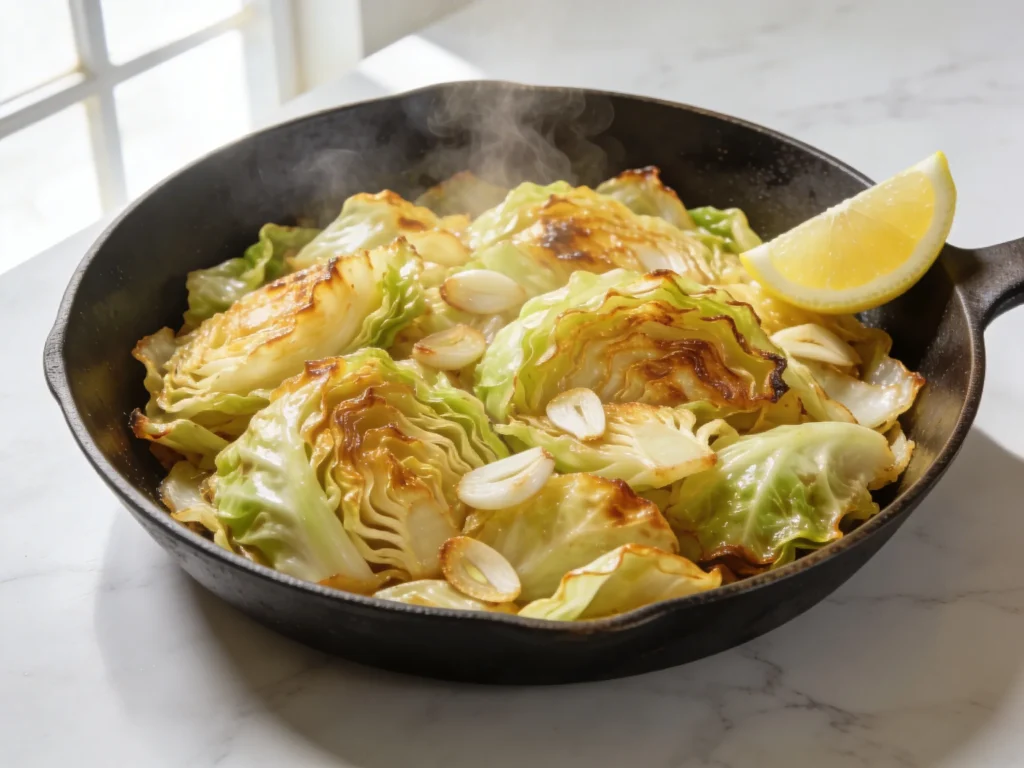
Slice cabbage into thin strips and cook in a wide pan with butter, sliced garlic, salt, and black pepper over medium-high heat for 8 to 10 minutes until the edges are golden and starting to caramelize. A squeeze of lemon at the end lifts the whole thing. Serve alongside grilled chicken, pork chops, or sausages. Fast, simple, and one of the more reliable ways to win over someone who thinks they do not enjoy cabbage.
2. Creamy Coleslaw
Shred green and red cabbage finely and toss with mayonnaise, apple cider vinegar, a small amount of sugar, Dijon mustard, salt, and black pepper. Rest in the fridge for at least 30 minutes before serving. This step matters — freshly dressed slaw tastes sharp and underdeveloped. After resting the cabbage softens slightly and the dressing comes together properly. Works as a sandwich topping, a side for fried food, or alongside pulled pork.
3. Braised Cabbage With Bacon
Cut cabbage into wedges and cook in a wide pan with diced bacon, sliced onion, a splash of apple cider vinegar, and enough chicken stock to partially cover. Cover and braise over medium-low heat for 25 to 30 minutes until tender and well-flavored. The bacon fat adds richness while the vinegar keeps it from feeling heavy. A reliable cold-weather side that pairs well with roasted meats.
4. Stir-Fried Cabbage With Ginger and Soy
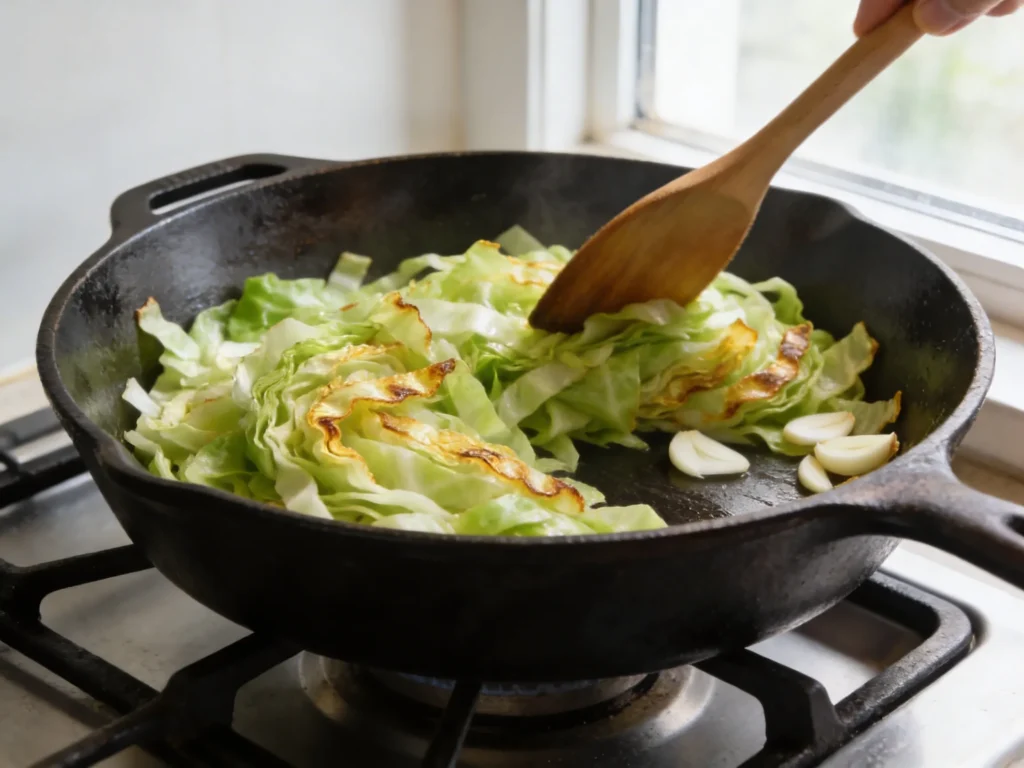
Slice cabbage thinly and stir-fry in a hot wok or large skillet with oil, minced garlic, fresh ginger, and soy sauce over high heat for 5 to 6 minutes. The cabbage should stay slightly crisp — not fully soft. Finish with sesame oil and sesame seeds and serve over rice or noodles. Have everything prepped before the pan goes on. This one moves fast.
5. Stuffed Cabbage Rolls
Blanch large cabbage leaves in boiling water for 2 to 3 minutes until pliable. Fill each leaf with cooked ground beef or pork, cooked rice, garlic, onion, and seasoning. Roll tightly, place in a baking dish, pour tomato sauce over the top, cover with foil, and bake at 350°F for 45 minutes. A filling complete meal that works well in a larger batch — the leftovers are worth having.
6. Cabbage Soup
Roughly chop cabbage and simmer with diced tomatoes, carrots, celery, onion, garlic, and chicken or vegetable stock for 25 to 30 minutes. Season with salt, black pepper, and smoked paprika. Light but filling, and one of the better meal prep options here — it keeps for up to 5 days and the flavor improves after a day in the fridge. Add sausage or white beans for more substance.
7. Pan-Fried Cabbage Steaks
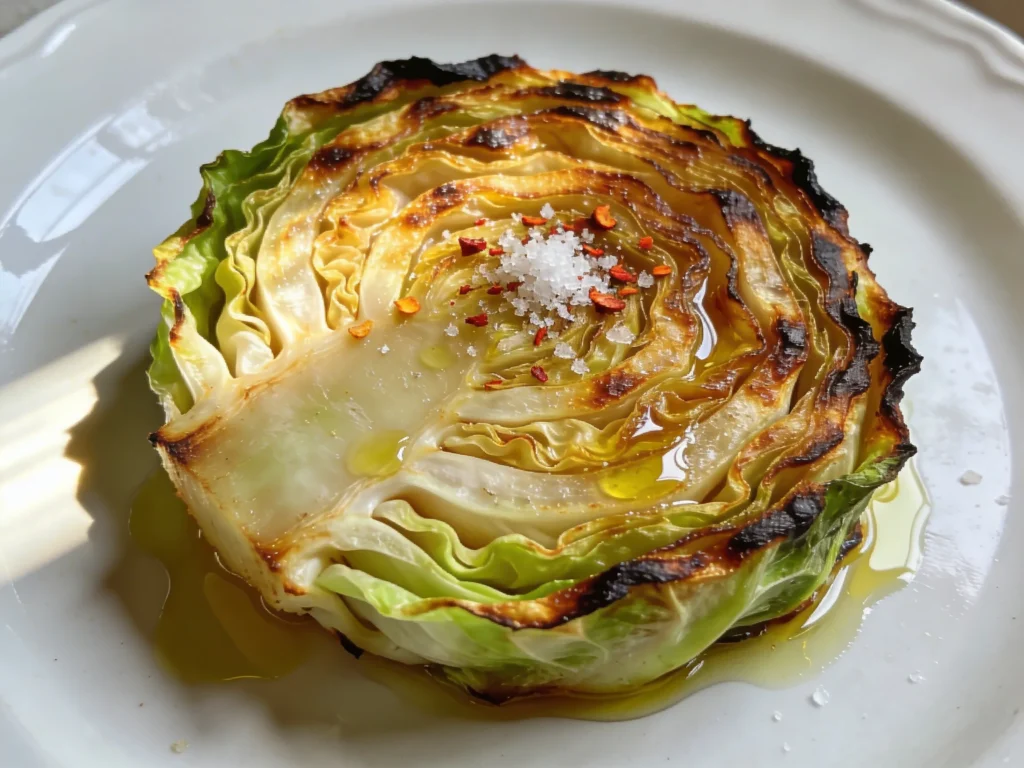
Slice a whole head of cabbage into rounds about an inch thick, keeping the core intact so they hold together. Brush both sides with olive oil and season with salt, pepper, garlic powder, and smoked paprika. Cook in a hot cast iron skillet for 4 to 5 minutes per side until golden and slightly charred, then finish in the oven at 400°F for 10 minutes. Works as a vegetarian main or a substantial side.
8. Red Cabbage and Apple Slaw
Shred red cabbage finely and toss with thinly sliced apple, toasted walnuts, and a dressing of olive oil, apple cider vinegar, honey, and Dijon mustard. The apple adds sweetness and the walnuts add crunch — both help balance the slight bitterness of raw red cabbage. Serve immediately for maximum texture or rest briefly in the fridge. A useful option when fresh salad ingredients are limited.
9. Cabbage and Egg Scramble
Shred cabbage finely and cook in a pan with oil and sliced onion over medium heat for about 5 minutes until softened. Add beaten eggs seasoned with salt and pepper and scramble together until just set. Finish with a splash of soy sauce and sliced green onions. Quick, inexpensive, and more filling than it looks. Works as a light dinner or a hearty breakfast.
10. Spicy Roasted Cabbage
Cut cabbage into wedges and toss with olive oil, chili flakes, garlic powder, salt, and a small amount of soy sauce. Spread on a baking sheet in a single layer and roast at 425°F for 20 to 25 minutes, turning once halfway through. The edges caramelize and crisp while the interior stays tender. The natural sweetness of roasted cabbage and the heat from the chili are a good combination.
Expert Tips
Buy cabbage that feels heavy and firm. A head that feels light for its size is past its best and will have less flavor once cooked.
Slice evenly. Uneven pieces cook at different rates — some will be overdone before the rest are ready.
Use high heat for browning. Low and slow produces soft, limp cabbage. Medium-high to high heat is what creates the caramelized edges worth eating.
Remove the core before slicing in most preparations. It takes longer to cook than the leaves. Removing it gives a more even result.
Add acid at the end. A small amount of vinegar or lemon juice after cooking brightens the flavor noticeably. It does not take much.
With red cabbage add the acid early. Adding vinegar at the start of braising or sautéing preserves the deep purple color. Without it red cabbage can turn an unappetizing blue-grey.
Do not wash cabbage until just before using it. Surface moisture slows browning and can make roasted or sautéed cabbage watery.
Common Mistakes to Avoid
Overcrowding the pan. Too much cabbage at once traps steam and causes it to stew rather than brown. Cook in batches if needed or use a wider pan.
Cooking on too low a heat. Low heat produces soft, slightly bitter cabbage with no caramelization. Most stovetop methods need medium-high to high heat to work properly.
Serving coleslaw immediately. Freshly dressed slaw tastes sharp and raw. The 30-minute rest is what makes it taste right — do not skip it.
Under-seasoning. Cabbage needs enough salt to bring out its natural sweetness and balance any bitterness. Season at multiple stages and taste before serving.
Using old cabbage. Old cabbage smells stronger when cooked and tastes noticeably less pleasant. Fresh firm cabbage cooks cleaner and sweeter. Use within a week of purchase.
Variations
Asian-inspired. Most preparations here shift easily toward Asian flavors with sesame oil, soy sauce, rice vinegar, ginger, and chili paste. The stir-fry and egg scramble work especially well this way.
Vegetarian and vegan. Swap chicken stock for vegetable stock, omit bacon in braised preparations, and use olive oil in place of butter. Most options here are already vegetarian or close to it.
Lower carb. For stuffed rolls replace the rice with diced mushrooms or cauliflower rice and increase the meat slightly to keep the filling substantial.
Heartier meals. Add cooked sausage, ground beef, or white beans to the soup, scramble, or braised cabbage to make a more complete one-pan dinner.
What to Serve With
The sautéed and braised preparations work well with simple proteins — grilled chicken, roasted pork, pan-seared sausages. The slaws work as toppings for sandwiches, burgers, and tacos or as a side alongside anything fried.
Cabbage soup is satisfying on its own with bread on the side. Stuffed rolls are a full meal and need little more than a simple salad.
The stir-fried and roasted versions pair naturally with steamed rice, noodles, or grain bowls.
Storage and Reheating Tips
Raw cabbage keeps in the fridge for up to two weeks in a sealed bag or wrapped tightly. Once cut use it within 3 to 4 days as the edges dry out quickly.
Most cooked preparations keep well for 3 to 5 days in airtight containers. The soup and braised cabbage reheat well on the stovetop with a small splash of water or stock to loosen them.
Coleslaw is best within 2 to 3 days. Drain excess liquid before serving leftovers and add a small amount of fresh dressing if it needs reviving.
Stuffed cabbage rolls freeze well for up to 3 months. Cool completely, store with sauce in freezer-safe containers, and reheat in the oven at 350°F covered with foil.
Roasted and pan-fried cabbage loses its texture when reheated. A brief reheat in a hot dry pan works better than the microwave for getting some of the crispness back.
FAQs
What is the healthiest way to cook cabbage? Quick sautéing or stir-frying over high heat preserves the most nutrients. Boiling in large amounts of water causes more nutrient loss than most other methods.
Can I use pre-shredded bagged cabbage? Yes for the slaw, scramble, stir-fry, and soup. Stuffed rolls require whole leaves from a fresh head — bagged cabbage will not work for that.
Which type of cabbage is most versatile? Green cabbage works across all ten preparations. Napa is softer and better for stir-fries and soups. Savoy is good for stuffed rolls because the leaves are more pliable. Red cabbage works best in slaws and braised dishes.
Why does cooked cabbage sometimes smell strong? Usually overcooking. High heat and shorter cooking time significantly reduces the sulfur smell that comes from cooking cabbage too slowly.
Can cabbage be eaten raw? Yes. Finely shredded raw cabbage has a good crunch and works well in slaws, salads, and wraps.
How do you reduce bitterness in cabbage? Add a small amount of vinegar or lemon juice after cooking. Proper salting and high-heat caramelization also help balance it.
Which preparation is best for meal prep? The soup, braised cabbage, stuffed rolls, and coleslaw all store and reheat well. The soup and braised preparations tend to taste better on day two.
Conclusion
Cabbage is practical, inexpensive, and more flexible than most weeknight cooking gives it credit for. These ten cabbage recipe ideas cover enough ground that there is something useful regardless of what else is available or how much time there is. Start with the simpler ones — the garlic butter sauté or the stir-fry — and work toward the more involved preparations from there.
Recipe Card Summary
Recipe Name: 10 Easy Cabbage Recipe Ideas Prep Time: 10 to 15 minutes depending on recipe Cook Time: 5 to 45 minutes depending on recipe Total Time: 20 to 60 minutes Servings: 4 per recipe on average Course: Side Dish, Main, Soup, Salad Cuisine: Various Calories: 80 to 350 per serving depending on recipe
Core Ingredients:
- 1 medium head cabbage approximately 2 lbs
- Olive oil or butter
- Garlic, onion, salt, black pepper
- Apple cider vinegar
- Soy sauce
- Stock as needed
- Additional ingredients vary by recipe
10 Recipe Methods:
- Sautéed Garlic Butter Cabbage — 10 minutes stovetop
- Creamy Coleslaw — 10 minutes plus 30 minute rest
- Braised Cabbage With Bacon — 30 minutes stovetop
- Stir-Fried Cabbage With Ginger and Soy — 8 minutes wok
- Stuffed Cabbage Rolls — 60 minutes oven
- Cabbage Soup — 30 minutes stovetop
- Pan-Fried Cabbage Steaks — 20 minutes stovetop and oven
- Red Cabbage and Apple Slaw — 10 minutes no cook
- Cabbage and Egg Scramble — 10 minutes stovetop
- Spicy Roasted Cabbage — 25 minutes oven
Notes:
- Use fresh firm cabbage for best results
- Add acid at the end of cooking to brighten flavor
- Red cabbage needs acid early to hold its color
- Most preparations store 3 to 5 days in the fridge
- Stuffed rolls freeze well for up to 3 months