Stracotto Recipe for Tender Italian Beef Made Easy
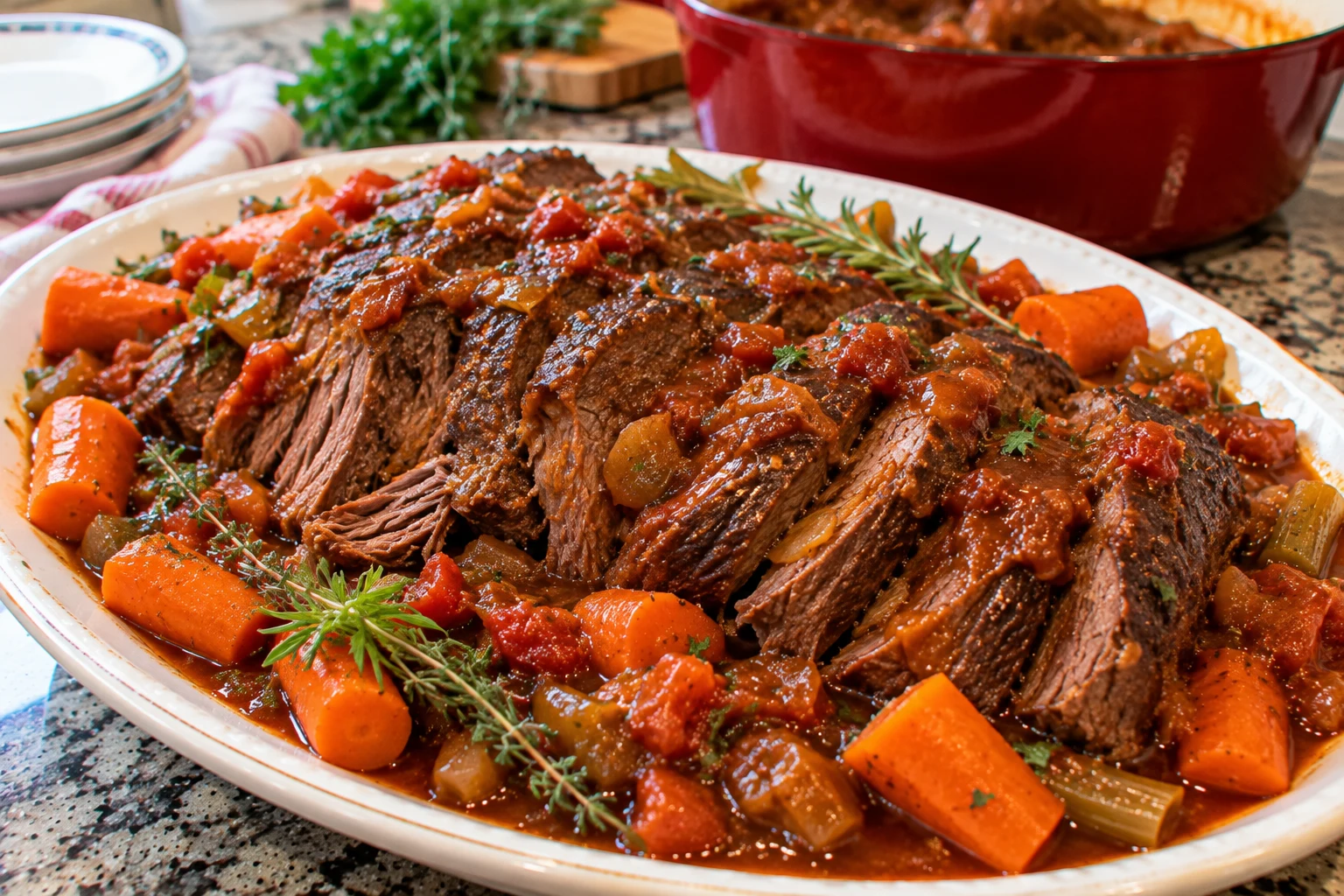
This Stracotto Recipe is Italy’s answer to the perfect Sunday dinner: a whole beef chuck roast braised low and slow in red wine, tomatoes, and a sweet soffritto of onion, carrot, and celery until it surrenders into fork-tender, sauce-soaked strands. The name means “overcooked” in Italian, and that is exactly the point — three unhurried hours in a Dutch oven turn an affordable cut into something luxurious, with a rich sauce that begs to be spooned over polenta or tossed with pasta.
Recipe timing: Prep: 25 minutes · Cook: 3 hours 15 minutes · Resting: 15 minutes · Total elapsed time: 3 hours 55 minutes.
Why You’ll Love This Recipe
Stracotto makes you look like a far better cook than the effort involved. Twenty-five minutes of chopping and searing, then the oven does three hours of quiet work while you do anything else. In that time, the chuck roast’s connective tissue melts into gelatin, the wine and tomatoes reduce into a deep, savory sauce, and the vegetables all but disappear into it.
It is also wonderfully practical. Chuck is one of the most affordable roasts in the case, the recipe scales easily, and leftovers are famously better than the first serving. Serve it over polenta tonight and toss the leftovers with pappardelle tomorrow.
Key Ingredients and Notes
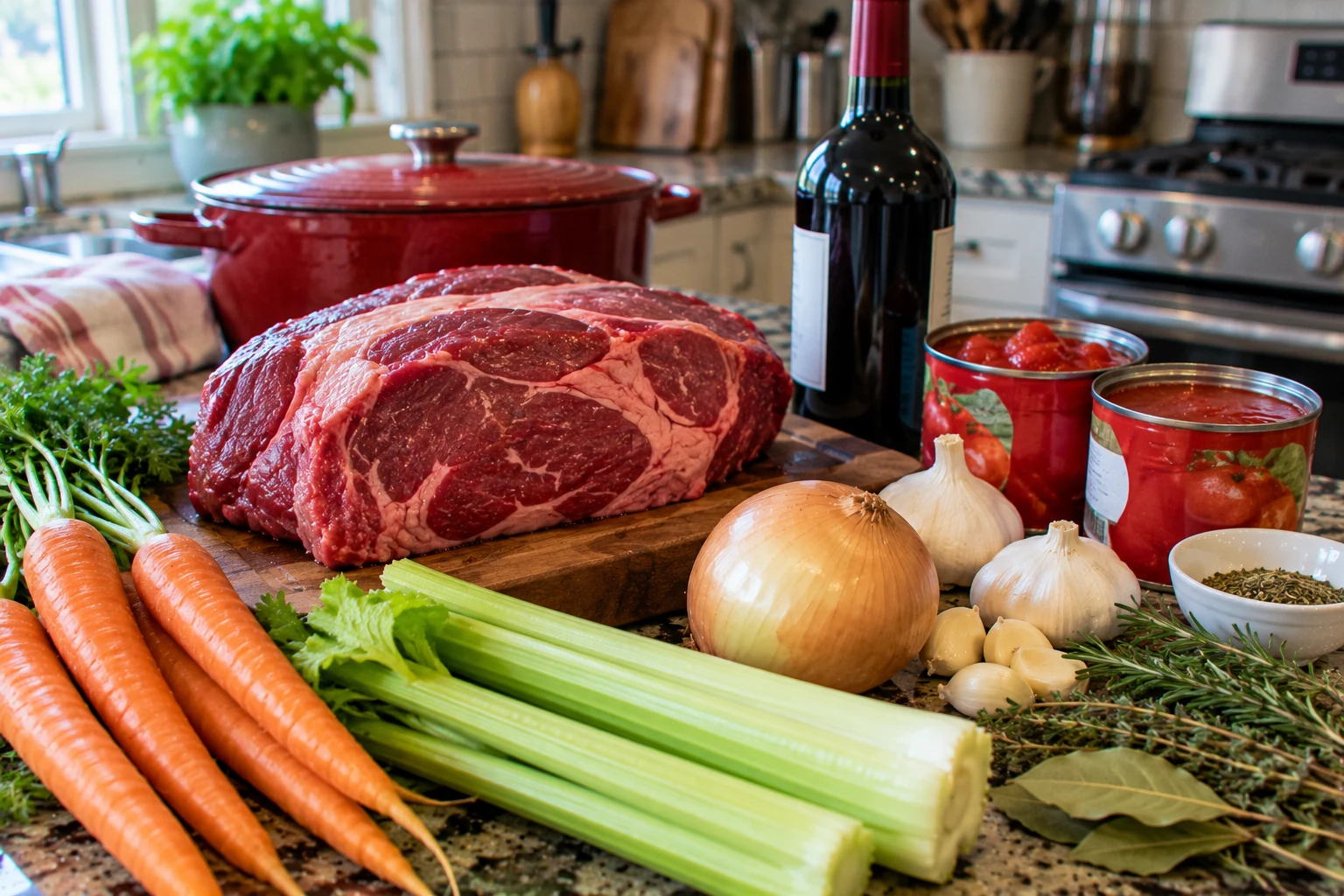
The ingredient list is classic Italian braising: a well-marbled roast, an aromatic vegetable base, wine, and tomatoes. Nothing fancy — the time does the fancy part.
- Beef chuck roast (3 lbs), boneless — the right cut for braising. Its marbling and connective tissue melt during the long cook into tender, juicy meat. Avoid lean roasts like round; they dry out before they tenderize.
- Kosher salt (2 teaspoons) and black pepper (1 teaspoon) — season the roast generously on all sides before searing, so the finished sauce tastes seasoned all the way through.
- Olive oil (3 tablespoons) — for searing the beef and sweating the vegetables.
- Yellow onion (1 large), carrot (2 medium), and celery (2 stalks) — the soffritto, finely diced so it melts into the sauce. This base is where the sauce gets its sweetness.
- Garlic (5 cloves), minced — added after the vegetables soften so it perfumes the base without burning.
- Tomato paste (2 tablespoons) — cooked until it darkens a shade, it adds concentrated richness and helps the sauce cling.
- Dry red wine (1 1/2 cups) — Chianti is traditional, but any dry red you would drink works. It deglazes the pan and gives the braise its deep backbone.
- Crushed tomatoes (1 can, 14.5 oz) and beef broth (1 cup) — the tomatoes form the body of the sauce alongside the wine, and the broth rounds out the braising liquid. Use low-sodium broth so you control the salt.
- Bay leaves (2), fresh rosemary (1 sprig), thyme (4 sprigs), and dried oregano (1 teaspoon) — the herb backbone. Tie the sprigs with twine so they are easy to fish out later.
- Fresh parsley and grated Parmesan (for serving) — a shower of both wakes up the rich sauce.
How to Make Stracotto Recipe
Sear the roast hard, build the soffritto in the same pot, deglaze with wine, then braise low and slow until the meat falls apart at the touch of a fork.
- Season and temper the beef. Take the roast out of the fridge 30 minutes before cooking. Pat it completely dry and season all over with the salt and pepper — dry meat sears, wet meat steams.
- Heat the oven. Preheat the oven to 325°F with a rack in the lower third.
- Sear the roast. Heat the olive oil in a large Dutch oven over medium-high heat until shimmering. Sear the roast for 5 to 6 minutes per side, including the edges, until deeply browned all over. Transfer to a plate. Do not rush this — the brown crust is the foundation of the sauce’s flavor.
- Build the soffritto. Reduce the heat to medium. Add the onion, carrot, and celery with a pinch of salt and cook, scraping up the browned bits, for 8 to 10 minutes, until soft and sweet.
- Add garlic and tomato paste. Stir in the garlic and tomato paste and cook for 1 to 2 minutes, until the paste darkens slightly and smells sweet.
- Deglaze with wine. Pour in the red wine and scrape the bottom of the pot thoroughly with a wooden spoon. Simmer for 3 to 4 minutes to cook off the raw alcohol edge.
- Add tomatoes, broth, and herbs. Stir in the crushed tomatoes and beef broth, then add the bay leaves, rosemary, thyme, and oregano.
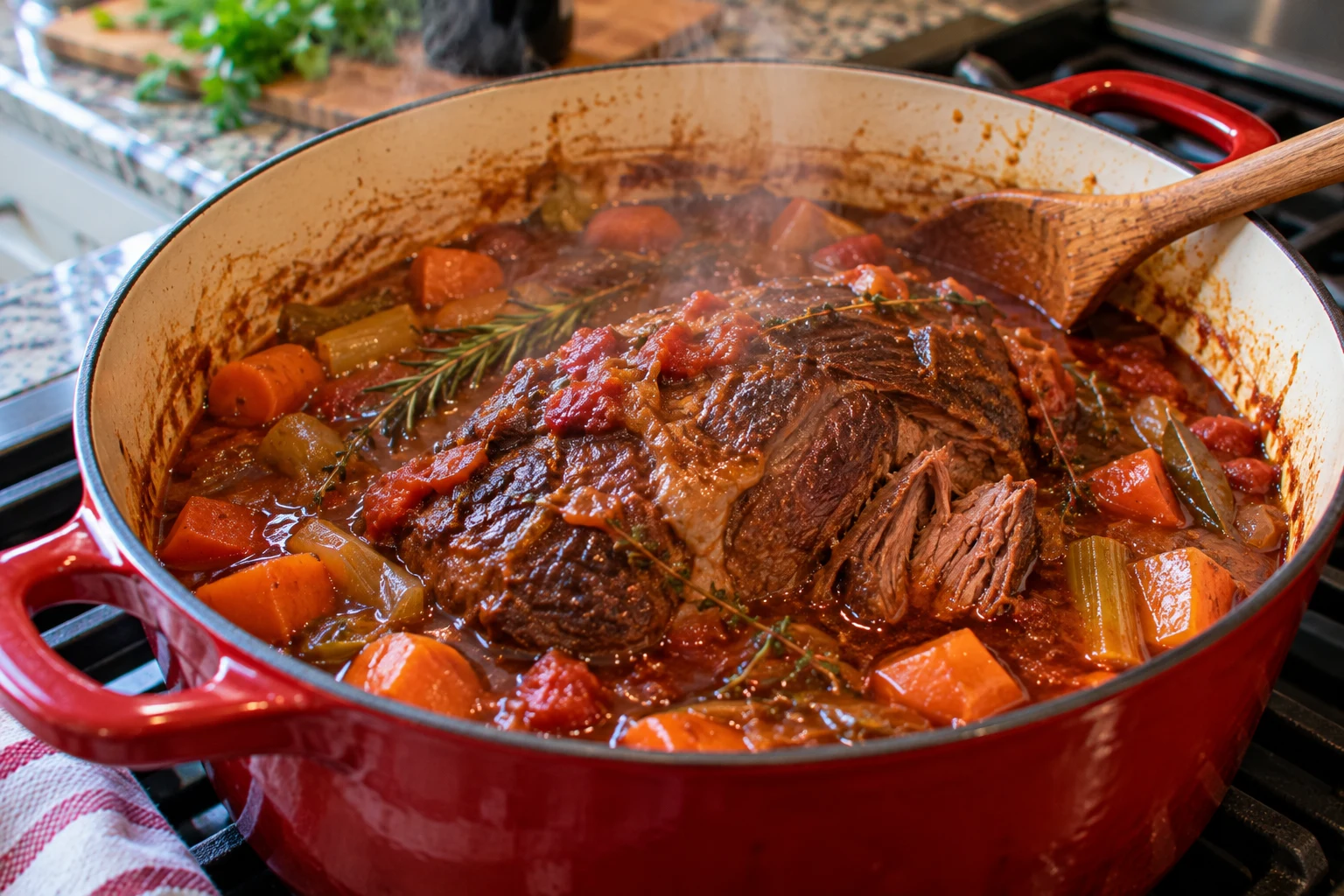
- Braise. Return the roast to the pot with any juices on the plate; the liquid should come about two-thirds up the sides. Bring to a bare simmer, cover, and transfer to the oven. Braise for 3 to 3 1/2 hours, turning once halfway, until the meat is completely fork-tender.
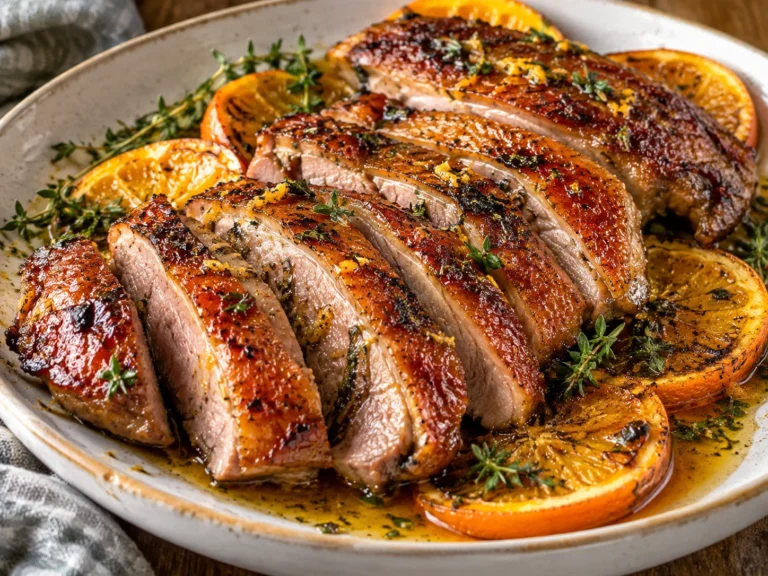
- Rest and shred or slice. Transfer the roast to a board and rest 15 minutes. For rustic service, shred it into large chunks with two forks; for a more formal plate, slice it thickly against the grain.
- Finish the sauce. Remove the herb stems and bay leaves. Simmer the sauce uncovered for 5 to 10 minutes if you want it thicker, skim any excess fat, and taste for salt. Spoon generously over the meat and serve with parsley and Parmesan.
Tips for Best Results
- Dry the meat, then leave it alone. Patting the roast dry and not moving it while it sears gives you the deep crust that flavors the whole braise.
- Dice the soffritto small and cook it slowly. Finely diced vegetables cooked a full 8 to 10 minutes melt into the sauce instead of floating in it.
- Keep the braise at a bare simmer. Bubbling hard makes meat stringy and dry no matter how long it cooks. Low and gentle is the whole secret of stracotto.
- Do not trust the clock — trust the fork. The meat is done when a fork slides in and twists with almost no resistance; if it fights back, give it another 30 minutes.
- Make it a day ahead if you can. An overnight rest lets the flavors marry and makes skimming the fat effortless — just lift off the solidified layer before reheating.
- Reduce the sauce at the end, not during. The final uncovered simmer is when you concentrate the sauce to the thickness you want.
Troubleshooting Common Problems
- Meat is still tough after 3 hours: it simply needs more time. The connective tissue has not finished melting — cover the pot and keep braising, checking every 30 minutes.
- Sauce is thin and watery: simmer it uncovered after removing the meat, 10 to 15 minutes, until it coats a spoon. Shredding some meat back into the sauce also thickens it.
- Sauce tastes sharp or acidic: the wine did not simmer long enough before the lid went on. A pinch of sugar and 10 more minutes of simmering round it out.
- Meat is tender but dry: the braise boiled too hard, or a lean cut was used. Keep the oven at 325°F and the liquid two-thirds up the roast.
- Greasy sauce: chuck releases a fair amount of fat. Skim the surface before serving, or chill the pot and lift off the solidified fat.
Variations and Substitutions
- Slow cooker stracotto: sear the meat and build the soffritto on the stove (do not skip this), then cook everything on LOW for 8 to 9 hours.
- No-wine version: replace the wine with an extra 1 1/2 cups of beef broth plus 1 tablespoon of balsamic vinegar. The flavor will be milder but still rich.
- Stracotto alla fiorentina style: lean into the Tuscan version with extra rosemary and a pinch of cinnamon, served over soft polenta.
- Add mushrooms: stir 8 oz of sliced cremini mushrooms into the soffritto for an earthier sauce.
- Boneless short ribs: swap the chuck for 3 lbs of boneless short ribs and braise about 30 minutes less — the result is even richer.
- Pasta sauce from leftovers: shred leftover meat finely, return it to the sauce, and toss with pappardelle or rigatoni and plenty of Parmesan.
Storing, Freezing, and Reheating
Stracotto stores like a dream — it genuinely improves with a night in the fridge. Cool the meat in its sauce, refrigerate in an airtight container for up to 4 days, and reheat gently on the stove over low heat, covered, about 15 to 20 minutes. Add a splash of broth if the sauce has thickened too much in storage.
It also freezes beautifully for up to 3 months: freeze the meat submerged in its sauce, thaw overnight in the refrigerator, and reheat as above. Avoid boiling during reheating — a gentle simmer keeps the meat from drying out. Leftover sauce alone freezes well too and makes an instant pasta dinner.
What to Serve With Stracotto Recipe
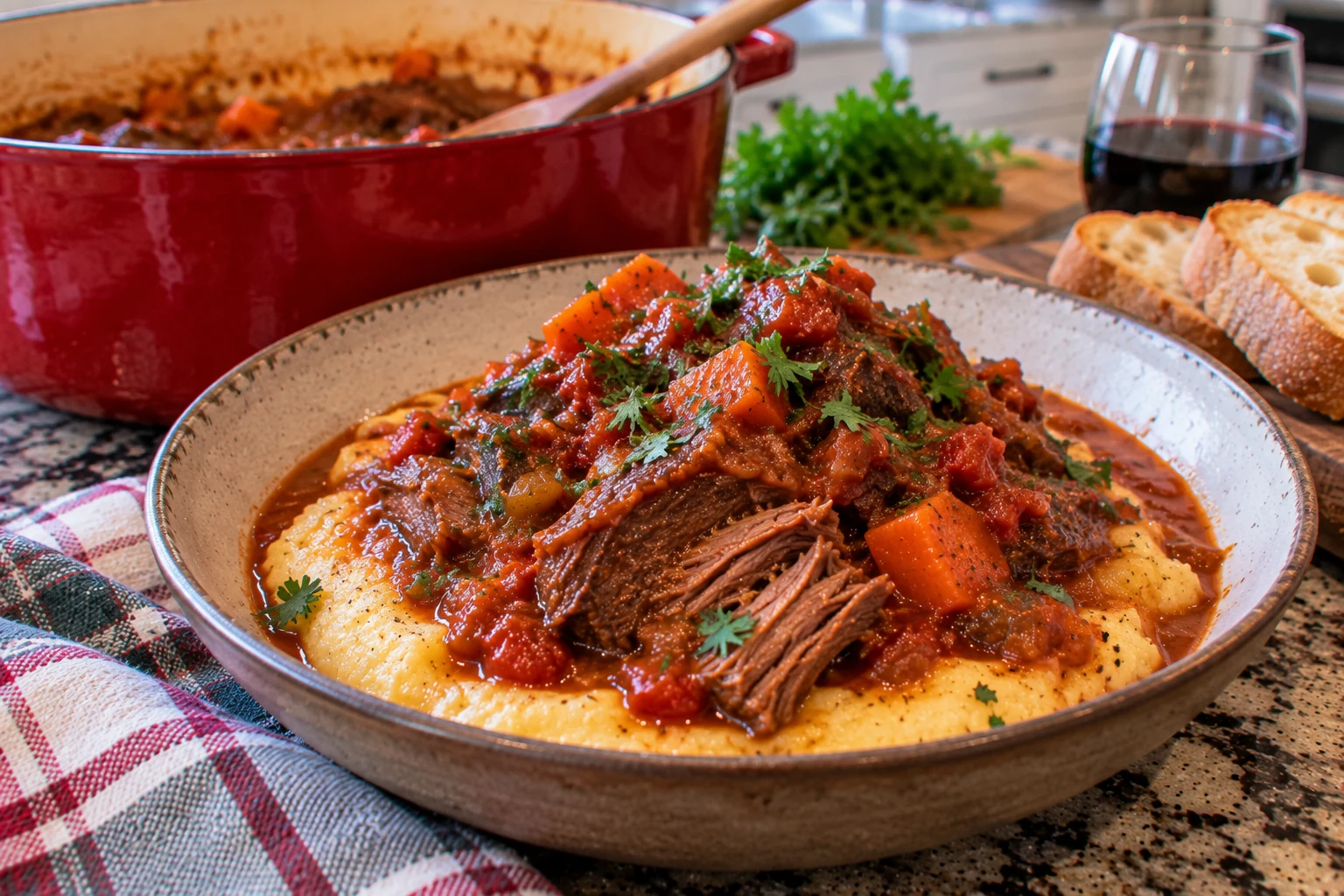
Creamy polenta is the classic partner — its soft, buttery bed catches every drop of the wine-dark sauce. Wide pasta, garlic mashed potatoes, or crusty bread for mopping all work too. A green salad with a sharp vinaigrette cuts the richness, and a glass of the same red wine you braised with ties the meal together.
This Stracotto Recipe is proof that the humblest cut in the case and a quiet afternoon can out-cook almost anything. Sear it, braise it, and let time do the work.
Frequently Asked Questions
What cut of beef is best for stracotto?
Boneless chuck roast, about 3 lbs. Its marbling and connective tissue melt during the long braise into tender, juicy meat. Lean cuts dry out before they ever get tender, so avoid them here.
How long does stracotto take to cook?
About 3 to 3 1/2 hours of braising at 325°F, plus 25 minutes of prep. The meat is done when a fork twists in it with almost no resistance — trust that test over the clock.
Can I make stracotto in a slow cooker?
Yes. Sear the beef and cook the soffritto on the stove first — those steps build the flavor — then cook everything on LOW for 8 to 9 hours.
What wine should I use for stracotto?
A dry red you enjoy drinking: Chianti or another Sangiovese is traditional, and Merlot or Cabernet Sauvignon also work. Avoid sweet wines and anything labeled cooking wine.
Can I make stracotto without wine?
Yes. Replace the wine with an equal amount of extra beef broth and stir in 1 tablespoon of balsamic vinegar for acidity. The sauce will be a little milder but still rich.
Should I slice or shred the meat?
Both are traditional. Shred it into large chunks for a rustic serving (and for tossing with pasta), or slice thickly against the grain for a more formal plate. Either way, rest it 15 minutes first and serve with plenty of sauce.
Stracotto Recipe for Tender Italian Beef Made Easy
A whole chuck roast braised low and slow in red wine, tomatoes, and a sweet soffritto until completely fork-tender, with a rich sauce made for polenta or pasta.
Ingredients
- 3 lbs (1.4 kg) boneless beef chuck roast
- 2 teaspoons (12 g) kosher salt
- 1 teaspoon (2 g) black pepper
- 3 tablespoons (45 ml) olive oil
- 1 large yellow onion (170 g), finely diced
- 2 medium carrots (130 g), finely diced
- 2 celery stalks (80 g), finely diced
- 5 garlic cloves (15 g), minced
- 2 tablespoons (32 g) tomato paste
- 1 1/2 cups (360 ml) dry red wine (such as Chianti)
- 1 can (14.5 oz / 411 g) crushed tomatoes
- 1 cup (240 ml) low-sodium beef broth
- 2 bay leaves
- 1 sprig fresh rosemary and 4 sprigs fresh thyme
- 1 teaspoon (1 g) dried oregano
- Fresh parsley and grated Parmesan, for serving
Instructions
- Take the roast out of the fridge 30 minutes ahead. Pat dry and season all over with the salt and pepper. Preheat the oven to 325°F (165°C).
- Heat the olive oil in a Dutch oven over medium-high heat. Sear the roast 5 to 6 minutes per side until deeply browned. Transfer to a plate.
- Reduce the heat to medium. Cook the onion, carrot, and celery with a pinch of salt for 8 to 10 minutes, scraping up the browned bits, until soft.
- Stir in the garlic and tomato paste and cook 1 to 2 minutes, until the paste darkens slightly.
- Pour in the wine, scrape the bottom of the pot, and simmer 3 to 4 minutes.
- Add the crushed tomatoes, beef broth, bay leaves, rosemary, thyme, and oregano.
- Return the roast and its juices to the pot; the liquid should come two-thirds up the sides. Bring to a bare simmer, cover, and braise 3 to 3 1/2 hours, turning once halfway, until fork-tender.
- Rest the meat 15 minutes, then shred into chunks or slice thickly against the grain. Remove the herb stems and bay leaves, simmer the sauce 5 to 10 minutes to thicken if needed, skim the fat, and spoon over the meat. Serve with parsley and Parmesan.
Notes
The fork test decides doneness, not the clock: the meat is ready when a fork twists in it with almost no resistance. If still tough, keep braising and check every 30 minutes.
Made a day ahead, stracotto tastes even better. Refrigerate up to 4 days or freeze, meat in its sauce, up to 3 months.