
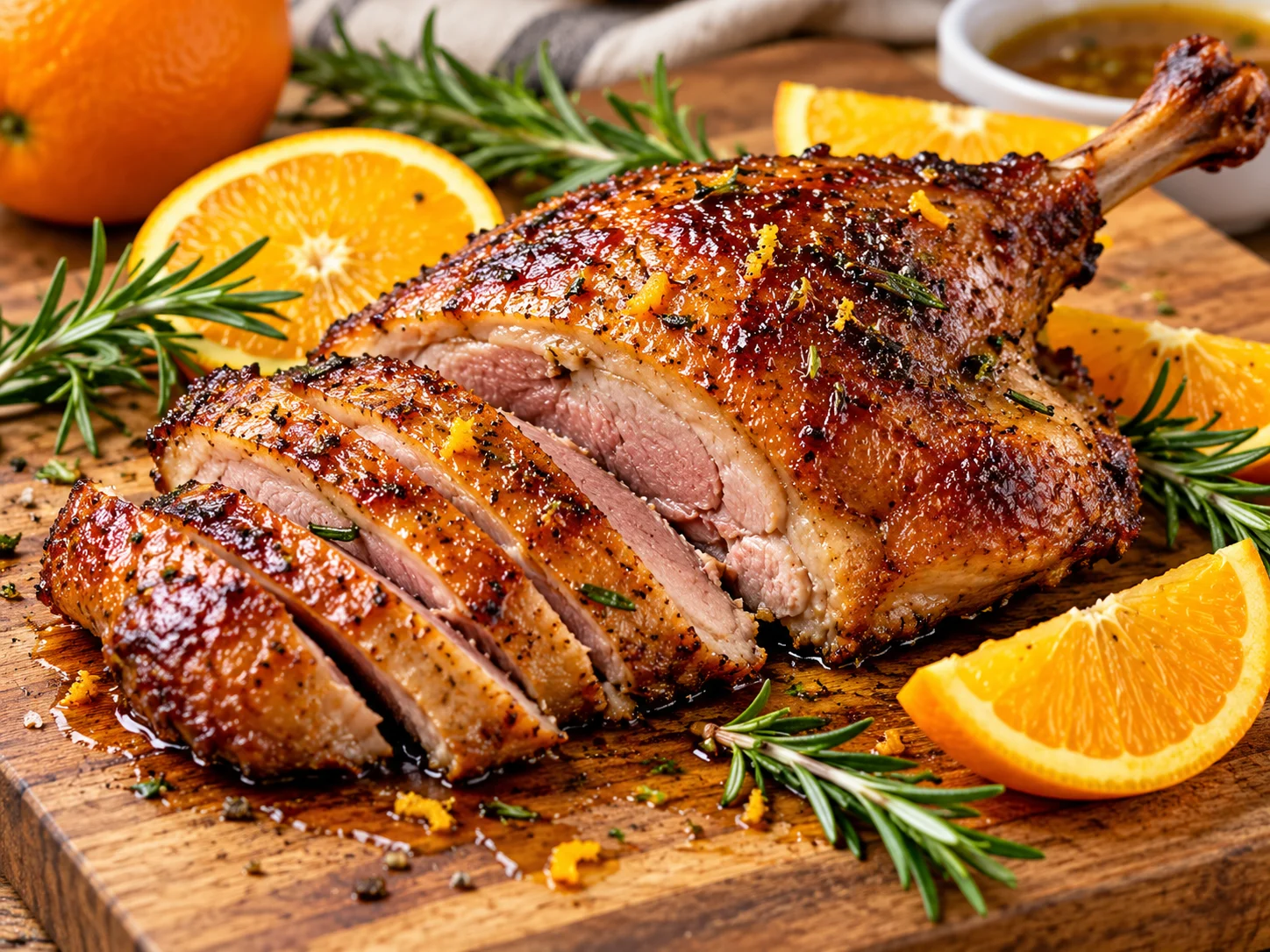
Air Fried Smokey Citrus Duck With Crisp Juicy Flavor
Cooking duck at home often feels like a daunting task reserved for professional chefs or weekend-long projects. The primary challenge, for most, is finding that elusive balance between rendering the thick layer of subcutaneous fat and achieving a skin that is truly crisp, all without drying out the meat. If you have ever attempted duck in a conventional oven, you know how easily the skin can become flabby while the meat toughens. This is where the air fryer becomes your most effective tool.
By utilizing the Air Fried Smokey Citrus Duck method, you are effectively using a convection powerhouse to solve the fat-rendering problem. The intense, circulating heat of an air fryer is much more efficient than a standard oven for smaller cuts of poultry. It creates a localized “wind” that dries out the surface of the skin rapidly, which is the scientific secret to achieving that coveted crackling texture. When paired with a marinade that uses both smoke and bright citrus acid, you create a complex, balanced dish that transforms a notoriously difficult protein into a reliable weeknight-style meal.
The Thermodynamics of Air Frying Duck
Why does the air fryer succeed where the oven often fails? The answer lies in moisture evaporation and the Maillard reaction. In a standard oven, the air surrounding the duck can become saturated with moisture as it cooks, which effectively steams the meat. An air fryer, by design, pulls in ambient air and blasts it around the basket, forcing moisture to leave the surface of the food almost immediately. This is critical for duck, which requires prolonged heat to liquefy its fat layer.
When the fat has a direct exit route—achieved through scoring—and the surrounding air is constantly being replaced by the fan, the skin transforms into a thin, shattered-glass texture. The internal temperature of the duck needs to rise slowly enough that the fat has time to melt, but quickly enough that the exterior achieves its texture before the protein fibers tighten into something leathery. This recipe balances that timing, ensuring you avoid the common pitfall of gray, rubbery skin that plagues many home-cooked duck attempts. Achieving this balance also relies on understanding that the air fryer functions as a convection oven, not a deep fryer. While the high heat and fan work in your favor, they are unforgiving. You are managing a delicate transition from raw fat to rendered oil, and then to crispy skin, all within a compressed timeframe.
Selecting and Preparing Your Duck
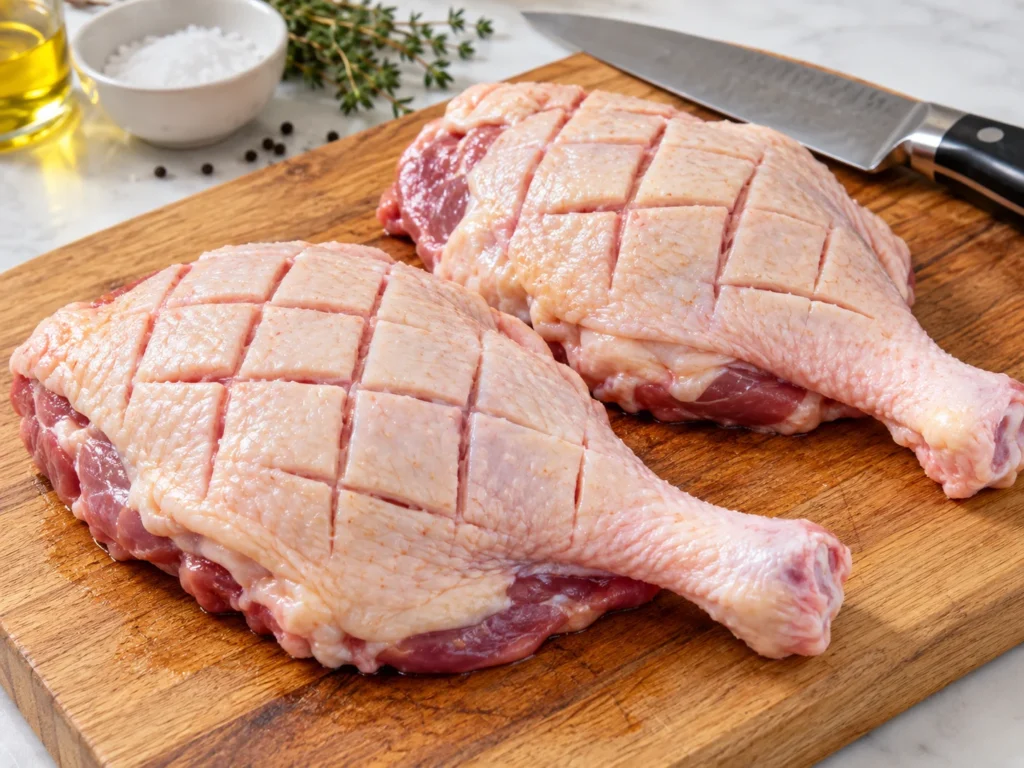
Quality matters, but preparation matters more. When selecting your duck pieces, look for legs or breasts that are firm and have a creamy white fat layer. If the fat has a yellow tinge, the bird may be older, which can lead to a tougher final texture. Before you begin, the most vital step in the entire process is proper scoring. Use a sharp, thin-bladed knife to lightly score the skin in a crosshatch pattern. Do not cut through to the meat; you only want to penetrate the skin and the layer of fat underneath.
This scoring allows the fat to escape during the cooking process. Without it, the fat acts as an insulator, preventing the heat from penetrating effectively and causing the skin to remain soggy. Once scored, ensure the duck is brought to room temperature. A cold bird dropped into a hot air fryer will seize up, causing the outer layers to overcook before the fat begins to properly render. If you are working with legs, pay special attention to the underside, where the fat pockets are often densest. Gently pricking this area with the tip of your knife helps facilitate faster rendering without compromising the presentation of the primary skin surface.
The Marinade: Balancing Smoke and Citrus
The flavor profile of duck is inherently rich and earthy. It needs ingredients that can stand up to that intensity without overpowering it. The combination of smoke and citrus is classic for a reason: the smoke complements the deep, gamey flavor, while the citric acid cuts right through the heavy fat, cleansing the palate with every bite.
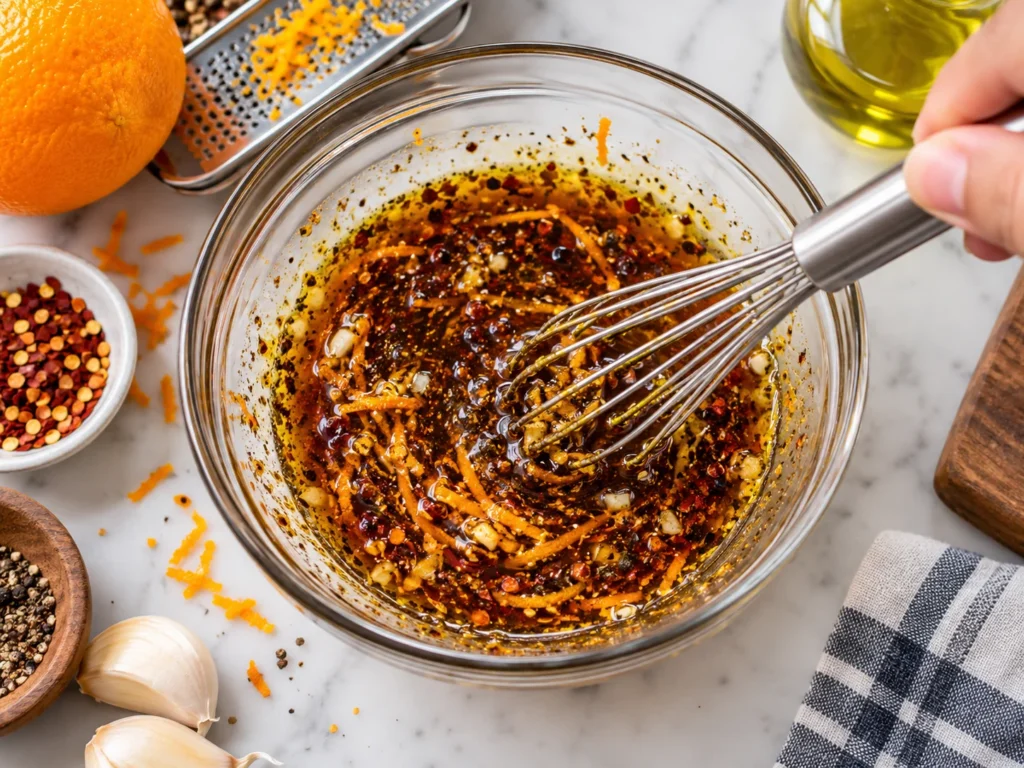
For this marinade, we rely on smoked paprika and a touch of quality liquid smoke to provide the depth. Be cautious with the liquid smoke; it is extremely concentrated. It should act as an accent, not the main event. Pair this with fresh orange zest and a splash of freshly squeezed orange juice. The oils from the orange zest are actually more flavorful than the juice itself, as they contain aromatic compounds that infuse the skin as it cooks. Whisk these ingredients with a high-smoke-point oil to create a base that won’t burn prematurely.
It is also worth noting the role of acidity in this marinade. The citric acid does more than provide flavor; it subtly alters the texture of the surface skin, making it more receptive to the crisping process. If you decide to add herbs like thyme or rosemary to the marinade, ensure they are finely chopped or even ground into a paste. Large, whole leaves can burn quickly in the intense air fryer fan, turning bitter before the duck is fully cooked. A smooth, well-emulsified marinade adheres more evenly, ensuring that every bite carries the same balance of smoke, acid, and savoriness.
Executing the Air Fried Smokey Citrus Duck
Place your prepared, scored duck pieces into your marinade. A short marination time is sufficient—usually about thirty minutes is plenty. Because the skin is fatty, the flavor won’t penetrate deeply into the meat, but that is not the goal. You want the aromatics to coat the surface, where they will caramelize under the intense heat.
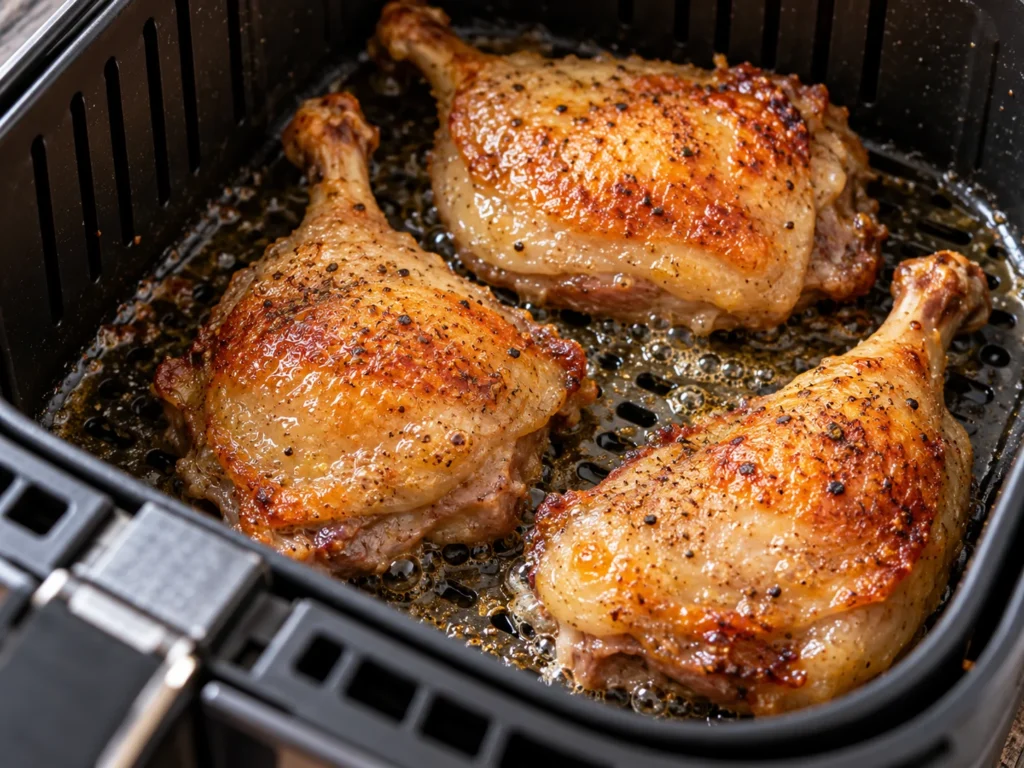
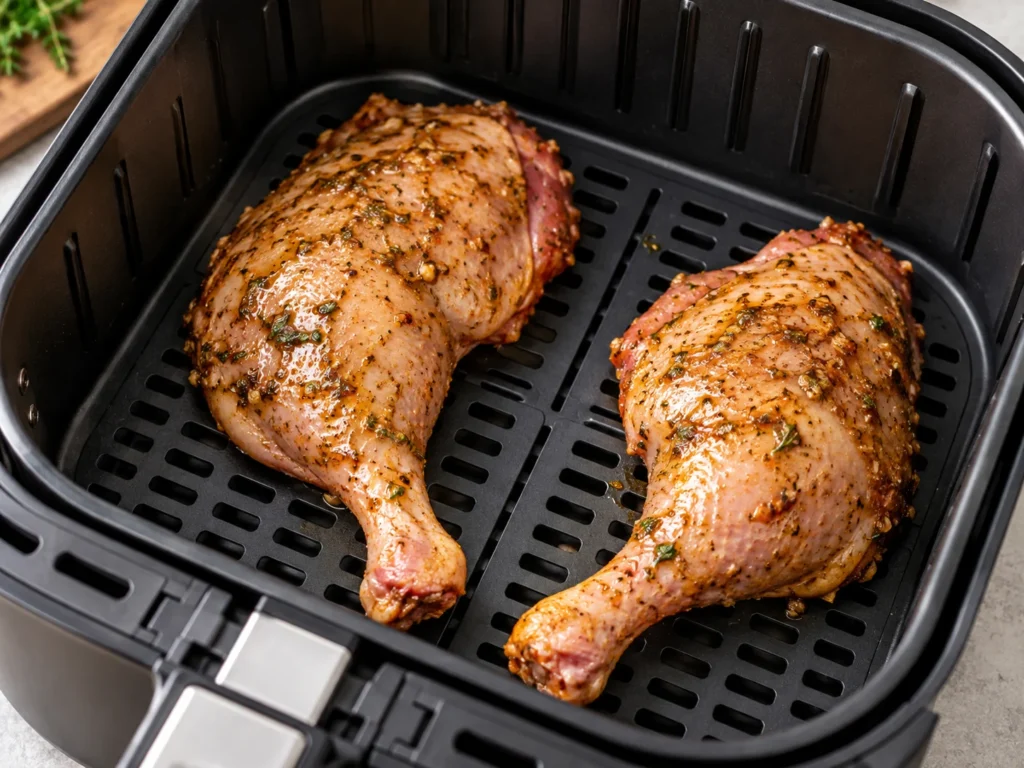
When you transfer the duck to the air fryer basket, do not overcrowd it. Air circulation is the engine of this recipe. If the pieces are touching, you are blocking the very airflow that creates the crisp skin. Start the cooking process at a moderate temperature to encourage the fat to render without burning the sugar content in the citrus marinade. Halfway through, you will see the fat pools collecting at the bottom of the basket. Carefully drain or spoon out this excess fat; it is liquid gold for roasting potatoes later, but leaving it in the basket will only create smoke and potential flare-ups.
As you near the end of the cooking time, increase the temperature to finish the skin. This step is about color and crunch. Keep a close eye on it during these final minutes, as the sugars in the citrus juice can darken rapidly. The duck should reach an internal temperature that signifies it is safe and succulent, without overshooting the mark. Remember that the meat will continue to cook for a few minutes after you remove it from the basket, so pulling it slightly early is often the best strategy. As the duck rests, the carryover heat will bring it to the perfect medium-rare or medium, depending on your preference, while the skin hardens into that signature crackling finish.
Troubleshooting and Best Practices
If your skin is not as crispy as you desire, do not simply add more cooking time; this will likely dry out the meat. Instead, consider the moisture content. Did you dry the skin with paper towels before marinating? Excess surface moisture is the enemy of crispiness. Additionally, ensure the air fryer basket is completely dry before you start. Even a small amount of residual water at the bottom of the unit can create steam that ruins the progress you are trying to make.
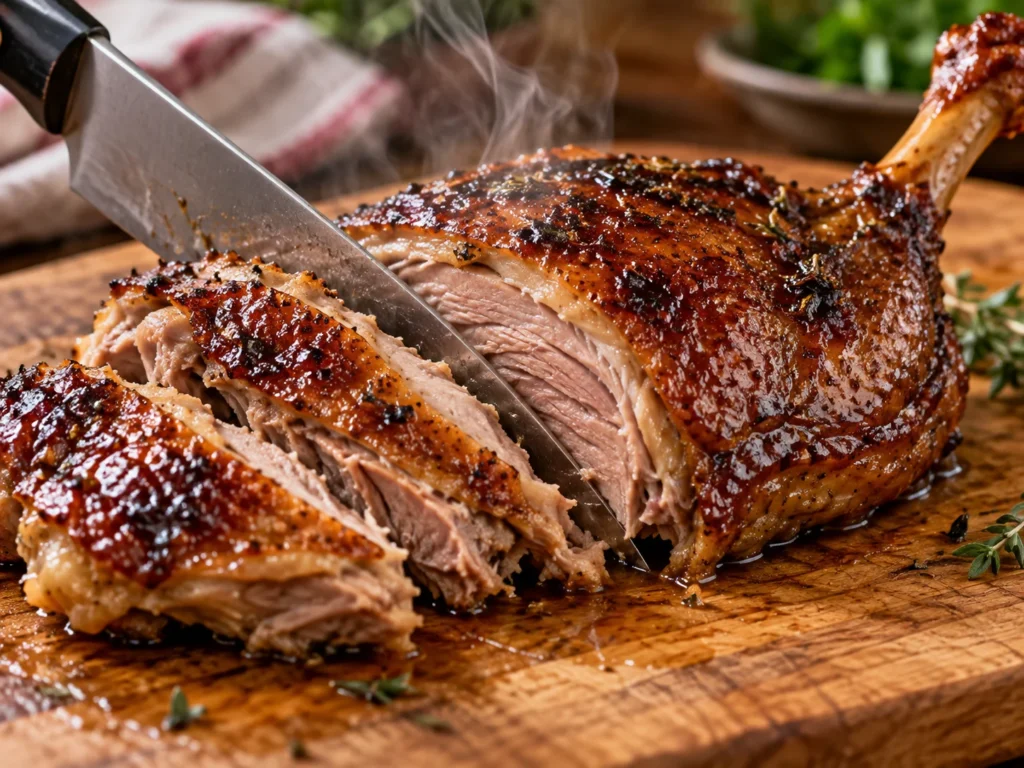
Another common mistake is ignoring the resting period. Even after you pull the duck from the heat, the internal juices are still migrating. Cutting into it immediately will result in those juices running out onto your board, leaving you with dry meat. Let it rest for at least five to seven minutes on a warm plate. This redistribution of juices is essential for the final mouthfeel of the dish. If you find the skin has softened slightly while resting, a quick two-minute blast at high heat in the air fryer can revive the crunch. Be sure to check the skin immediately after this brief reheating, as high heat can turn crispy skin into burnt skin in a matter of seconds.
This approach to Air Fried Smokey Citrus Duck proves that you don’t need a rotisserie or a massive oven to achieve restaurant-quality poultry at home. By respecting the rendering process and manipulating the airflow, you get a main dish that feels special enough for a dinner party but is simple enough to execute when you have a bit of extra time in the kitchen. Once you master the timing, you can experiment with different citrus profiles—try lime or blood orange for a different spin—but keep the core technique consistent to guarantee that perfectly rendered, crackling skin every single time you cook it.
Frequently Asked Questions
Can I cook frozen duck in an air fryer?
Why did my duck skin come out chewy?
Is it safe to reuse the duck fat collected in the bottom of the air fryer?
How do I know when the duck is fully cooked?
Air Fried Smokey Citrus Duck With Crisp Juicy Flavor
Achieve restaurant-quality crispy skin and tender, juicy meat with this simple Air Fried Smokey Citrus Duck recipe. Perfect for those who crave deep, complex flavors without the long oven wait.
Ingredients
- 2 duck leg quarters
- 1 tsp smoked paprika
- 1/2 tsp liquid smoke
- 1 tbsp olive oil
- 1 tbsp fresh orange zest
- 2 tbsp fresh orange juice
- 1/2 tsp kosher salt
- 1/4 tsp cracked black pepper
Instructions
- Bring the duck legs to room temperature for 30 minutes before cooking.
- Using a sharp knife, score the skin of the duck in a crosshatch pattern, being careful not to cut into the meat.
- In a small bowl, whisk together the olive oil, smoked paprika, liquid smoke, orange zest, orange juice, salt, and pepper.
- Rub the marinade evenly over the duck legs, ensuring it gets into the scores.
- Preheat your air fryer to 350°F (175°C).
- Place the duck legs in the air fryer basket, skin-side up. Cook for 20 minutes.
- Carefully drain any accumulated fat from the bottom of the basket.
- Increase the air fryer temperature to 390°F (200°C) and cook for an additional 10-15 minutes, or until the skin is deeply browned and crispy and the internal temperature reaches 165°F (74°C).
- Remove the duck from the air fryer and let it rest on a cutting board for 5-7 minutes before serving.
Notes
Drain the fat carefully; it is very hot and can cause flare-ups if it pools and smokes.
If you prefer a sweeter glaze, you can brush a tiny bit of honey or maple syrup on the duck during the final 3 minutes of cooking.
Store leftovers in an airtight container for up to 2 days. Reheat in the air fryer at 350°F for 3-4 minutes to restore crispiness.
Nutrition
| Calories | 450 |
| Protein | 25g |
| Total Fat | 38g |
| Carbohydrates | 3g |
| Fiber | 0g |
| Sugar | 1g |
| Sodium | 450mg |