
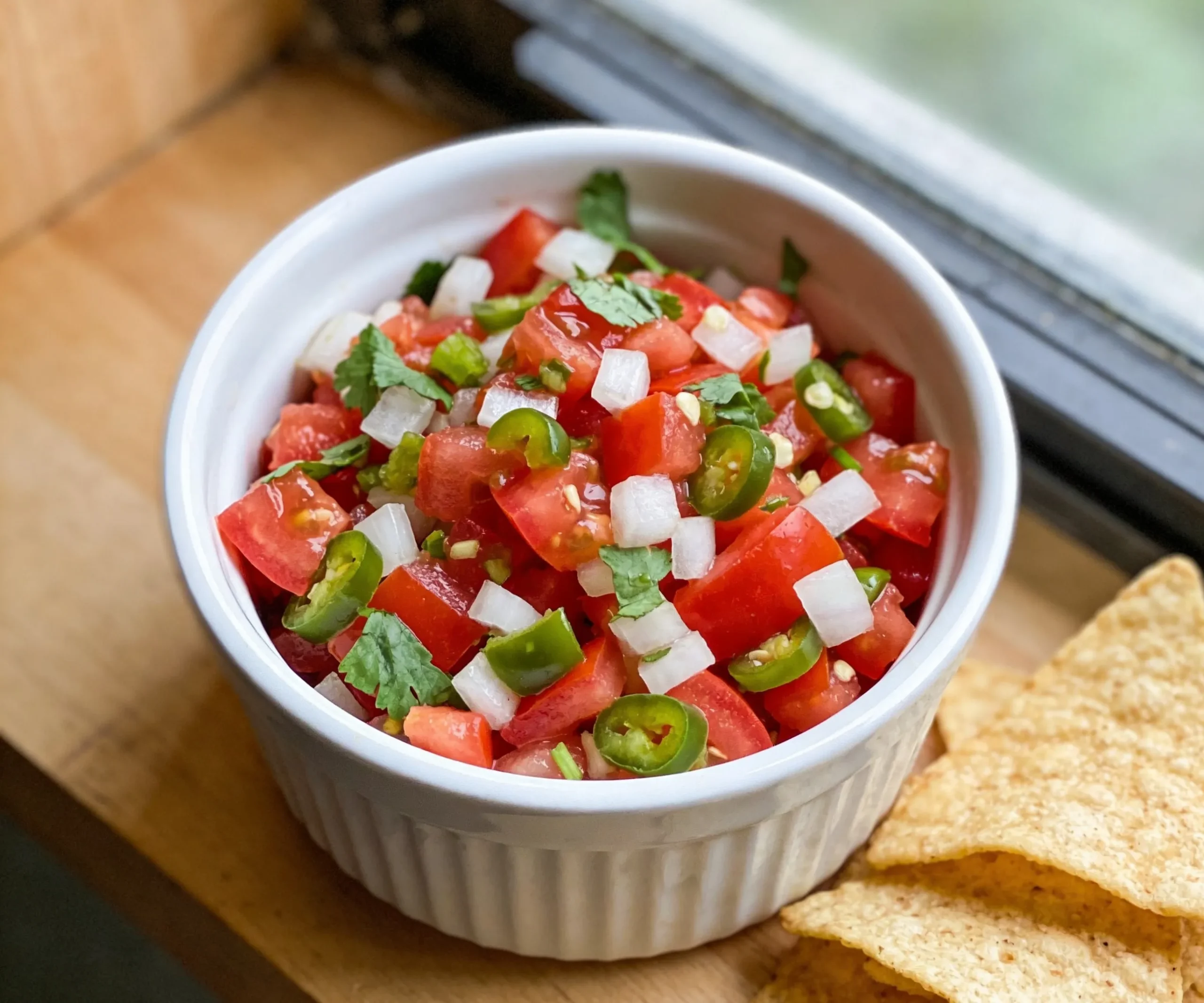
Jarred salsa gets the job done, but fresh is a different thing entirely. This salsa recipe takes ten minutes, uses simple ingredients, and the flavor is noticeably better. The texture is chunky, the heat is easy to control, and it works on just about everything. If you want one reliable recipe to keep coming back to, this is a good one.
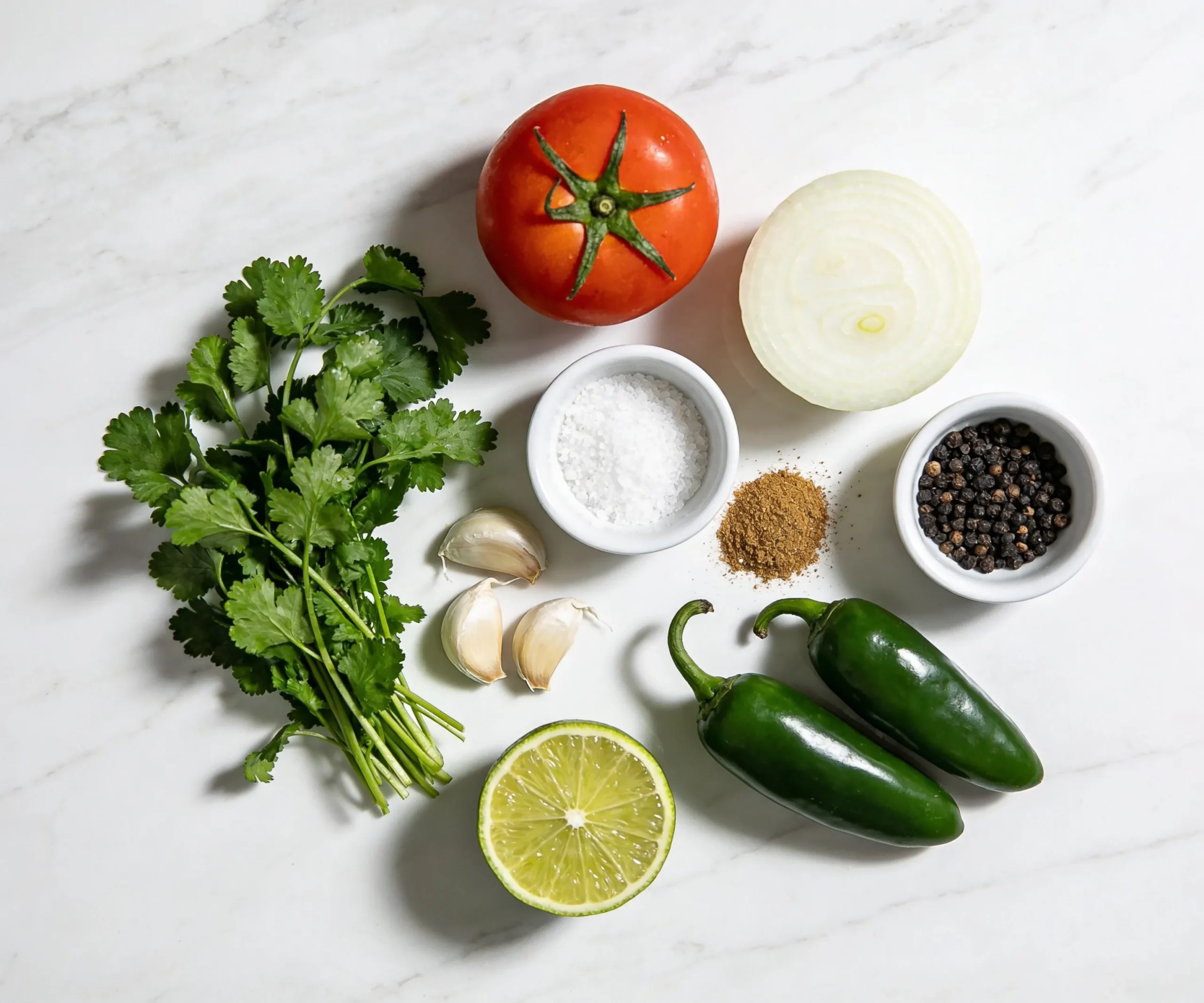
- 4 medium Roma tomatoes, diced small
- 1 small white onion, finely chopped
- 2 jalapeno peppers, seeded and minced
- 3 garlic cloves, minced
- 1 cup fresh cilantro leaves, roughly chopped
- 1 lime, juiced (about 2 tablespoons)
- 1/2 teaspoon salt, plus more to taste
- 1/4 teaspoon ground cumin
- 1/4 teaspoon black pepper
- 1/2 teaspoon sugar (only if tomatoes are very tart or out of season)
- 1 small serrano pepper, minced (sharper heat than jalapeno)
- Pinch of smoked paprika (adds a quiet smokiness without changing much)
- Large cutting board
- Sharp chef's knife
- Medium mixing bowl
- Small fine mesh strainer for rinsing the onion
- Citrus juicer or handheld reamer
- Spoon for stirring and tasting
- Airtight container or jar for storage
- Food processor (optional, for a less chunky texture)
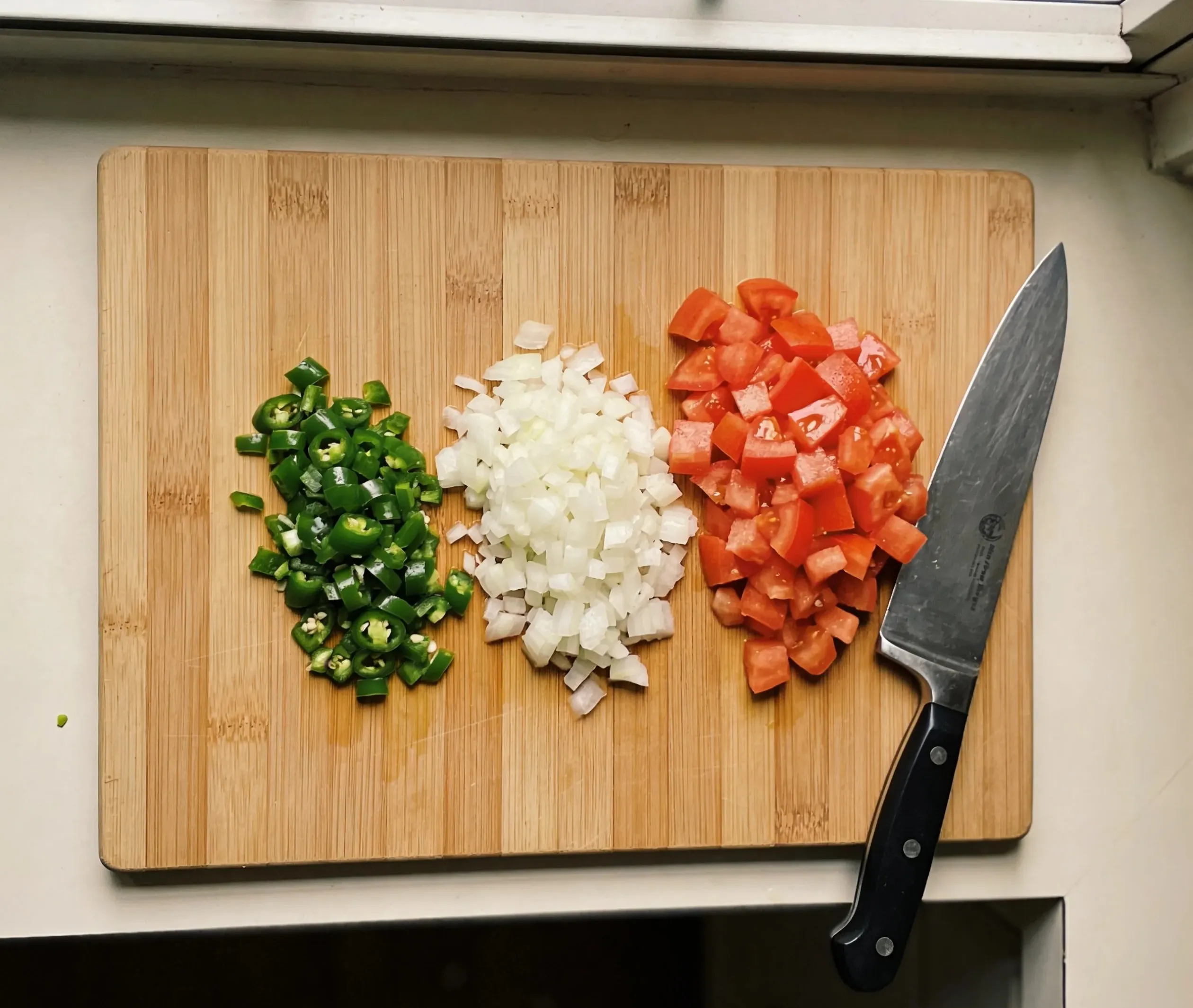
- Prep and dice all the vegetables.
- Rinse the chopped onion under cold water.
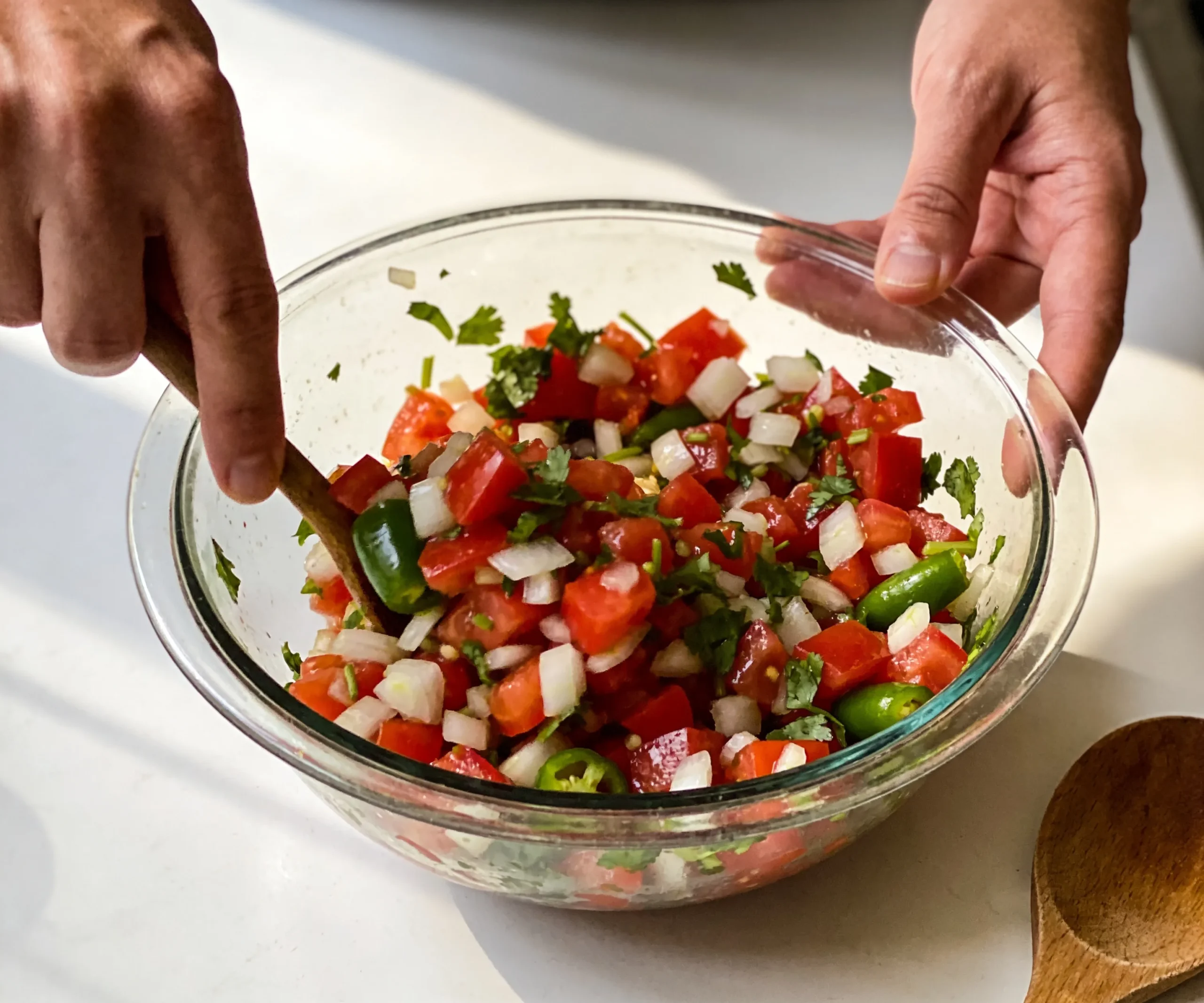
- Add everything to a bowl.
- Season, stir, and taste.
- Let it rest for 15 minutes before serving.
- Rinse all produce under cold running water before you start.
- Dice the Roma tomatoes into small pieces, roughly 1/4 inch. If the tomatoes are very juicy, squeeze out some of the seeds and liquid over the sink first. This is the main reason salsa turns watery, so it is worth doing.
- Finely chop the white onion. Cut the pieces smaller than the tomato so the onion does not take over. Once chopped, put the onion in a small strainer and run cold water over it for about 30 seconds. This softens the sharp raw flavor and makes the salsa more balanced.
- Slice the jalapenos in half lengthwise and scrape out the seeds and white membrane with a spoon if you want mild to medium heat. Leave them in for more heat. Mince the peppers finely. Wash your hands well after and keep them away from your eyes.
- Peel and mince the garlic. Use fresh cloves. Jarred minced garlic has a slightly fermented taste that comes through in a raw salsa like this.
- Roughly chop the cilantro leaves. No need to be precise. Larger pieces are fine and add some texture. Not a cilantro fan? The Variations section has a swap.
- Add the tomatoes, onion, jalapeno, and garlic to a medium bowl.
- Add the cilantro.
- Squeeze the lime juice over everything. Two tablespoons is enough. More than that and the salsa starts to taste sharp and thin.
- Add the salt, cumin, and black pepper.
- Stir gently to combine. Folding works better than stirring hard, which breaks the tomatoes down too fast.
- Taste it. Adjust salt first. Then lime. Then heat.
- Cover and let it rest for 15 minutes at room temperature before serving. The salt pulls moisture from the tomatoes and everything settles into a more cohesive flavor. It is optional, but it makes a real difference.
- Give it one more stir before transferring to a serving bowl.
- Roma tomatoes are the right call here. Less water, fewer seeds, firmer flesh. They hold up better than beefsteak or vine tomatoes once mixed.
- Rinsing the chopped onion is a small step that matters. Raw white onion is strong. The rinse takes under a minute and keeps it from dominating the bowl.
- Add lime juice after everything else is in the bowl. It starts softening the vegetables on contact, so earlier is not better.
- Chop by hand if you can. A food processor moves fast and it is easy to accidentally turn the whole thing into a puree.
- A dull knife crushes tomatoes instead of slicing them cleanly. This releases too much juice right away. A sharp knife solves the problem.
- If your tomatoes are out of season and taste flat, a small pinch of sugar helps more than extra lime.
- Make a double batch if you are feeding a crowd or want it ready for the week. The flavor only gets better after the first day.
- Season in stages. Add half the salt, taste, then add more if needed. Oversalted salsa is hard to fix.
- Reaching for canned tomatoes when fresh are available. Canned tomatoes are softer and more acidic. They work when you have no other option, but the texture is noticeably different.
- Over-blending in a food processor. Chunky is the goal. Two or three quick pulses is the limit.
- Serving it immediately without resting. The 15 minutes matter. Salt and lime need time to work through the tomatoes evenly.
- Adding too much lime at once. It makes the salsa watery and sharp. Start with two tablespoons and taste from there.
- Skipping the onion rinse. Raw white onion straight into the bowl without rinsing can pull focus away from everything else.
- Using dried cilantro. It has no real flavor in a cold dish. Fresh only.
- Cutting tomatoes too large. Big chunks are hard to scoop and messy to eat. Small, even dice is the better approach.
- Skipping the taste before serving. Tomatoes and peppers vary batch to batch. Tasting is not optional.
- No cilantro: Flat-leaf parsley is the closest swap. The flavor is milder but the salsa still works well.
- No jalapeno: Use half a serrano for more bite, one small green chili for less, or leave it out entirely for a mild version.
- Roasted version: Put whole tomatoes, quartered onion, and unpeeled garlic on a baking sheet. Broil on high for 8 to 10 minutes until charred. Peel the garlic and blend or chop. Smokier and deeper than the fresh version.
- Mango salsa: Add 1/2 cup diced ripe mango and reduce the tomatoes a little. Good with grilled fish or shrimp.
- Corn salsa: Stir in 1/2 cup grilled or roasted corn. Adds sweetness and a bit of chew.
- Pineapple salsa: Add 1/3 cup finely diced fresh pineapple. Works well with pork or chicken.
- Tomatillo version: Swap out the tomatoes for 6 to 8 husked, quartered tomatillos. Tangier and slightly herbal.
- No lime: Lemon juice works. The flavor shifts a little but still tastes fresh.
- More garlic: Add a fourth clove if you want a stronger garlic presence in the finished salsa.
- Tortilla chips, the most reliable pairing
- Tacos, burritos, or quesadillas as a topping
- Grilled chicken, fish, or shrimp instead of a heavier sauce
- Scrambled eggs or a breakfast burrito
- Burrito bowls or rice bowls
- Nachos
- Grilled corn on the cob
- Avocado toast
- Black bean soup or chili as a garnish
- Grilled steak, where the acid cuts through the richness well
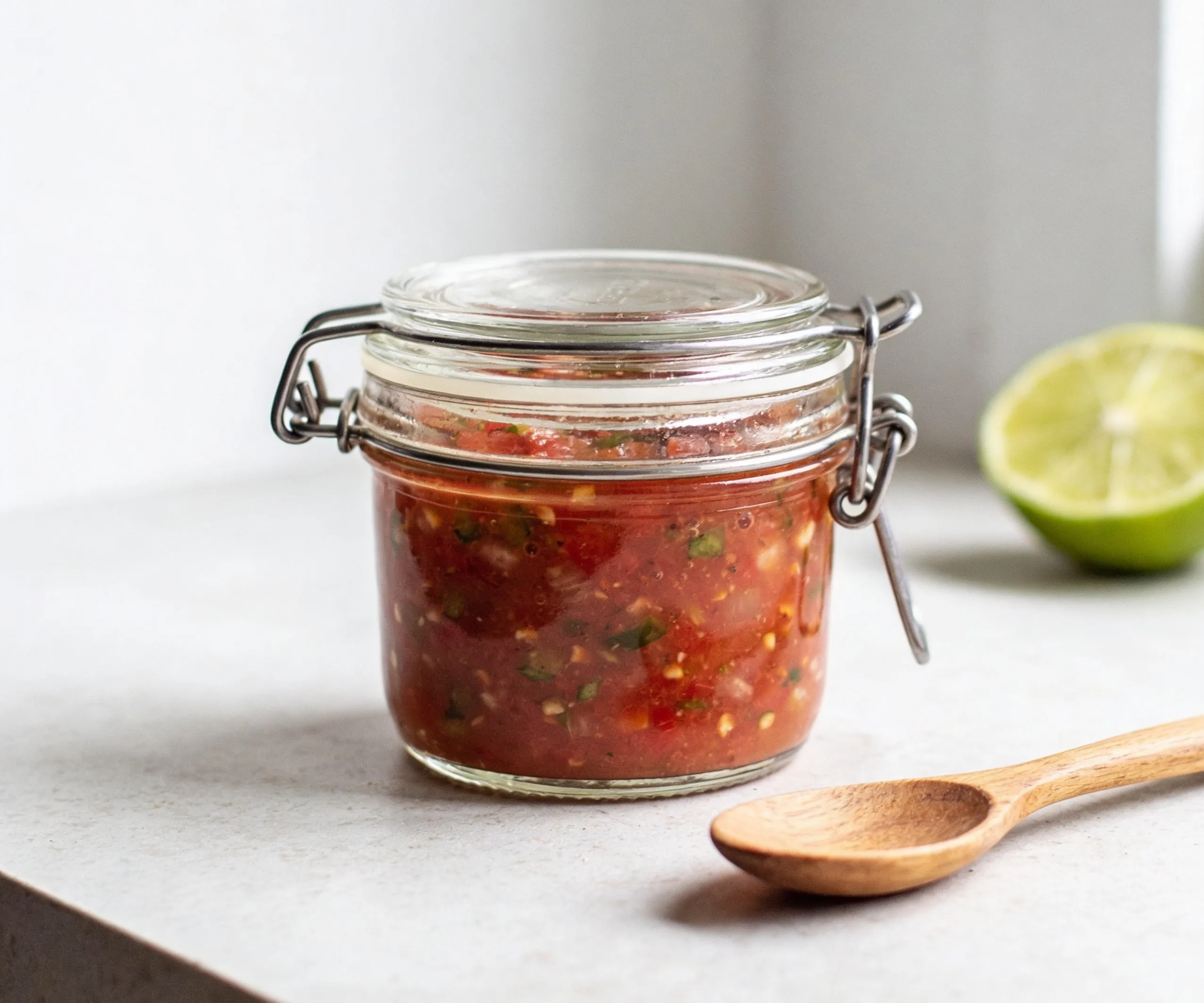
- Move leftovers to an airtight container and refrigerate right after serving.
- Keeps well for up to 5 days.
- The flavor is usually better on day two once everything has had time to sit together.
- Do not freeze. Tomatoes lose their texture completely after thawing and the salsa ends up watery.
- Stir before serving from the fridge. Liquid settles at the bottom naturally.
- If it tastes a little flat after a few days, a small squeeze of fresh lime brings it back.
- Serve cold or let it sit out for 10 minutes first. Both are fine depending on preference.
- No reheating. This is a cold fresh salsa and heat does not improve it.
Yes, and honestly it is often better the next day. Refrigerate overnight and stir before serving.
Scrape out all the seeds and membrane from the jalapeno. For no heat at all, replace it with half a seeded green bell pepper.
Usually it comes from juicy tomatoes or leaving in too many seeds. Squeeze out excess liquid before mixing, or drain the finished salsa through a strainer.
Yes. Pulse two or three times at most. It goes from chunky to smooth very quickly so keep a close eye on it.
Up to 5 days in a sealed container. After that the texture softens and the freshness fades.
Easily. Keep the ratios the same and taste before adjusting salt and lime at the end.
- Roma tomatoes are the first choice. If they are not available, use the ripest tomatoes you can find. Out of season tomatoes produce a noticeably weaker result.
- The 15 minute rest is marked optional, but it is worth building into your prep time whenever possible.
- This recipe is vegan, gluten-free, and dairy-free.
- Nutrition figures are estimated based on 8 servings with no optional add-ins included.
- Salt levels vary with different tomato varieties. Always taste before adding more.
- For a slightly smoother texture without blending, mash a small spoonful against the bowl and stir it back in.
This is a recipe worth knowing by heart. Ten minutes, real ingredients, and it tastes the way salsa should. Make a batch, let it rest, and use it through the week. The jar will start collecting dust.