
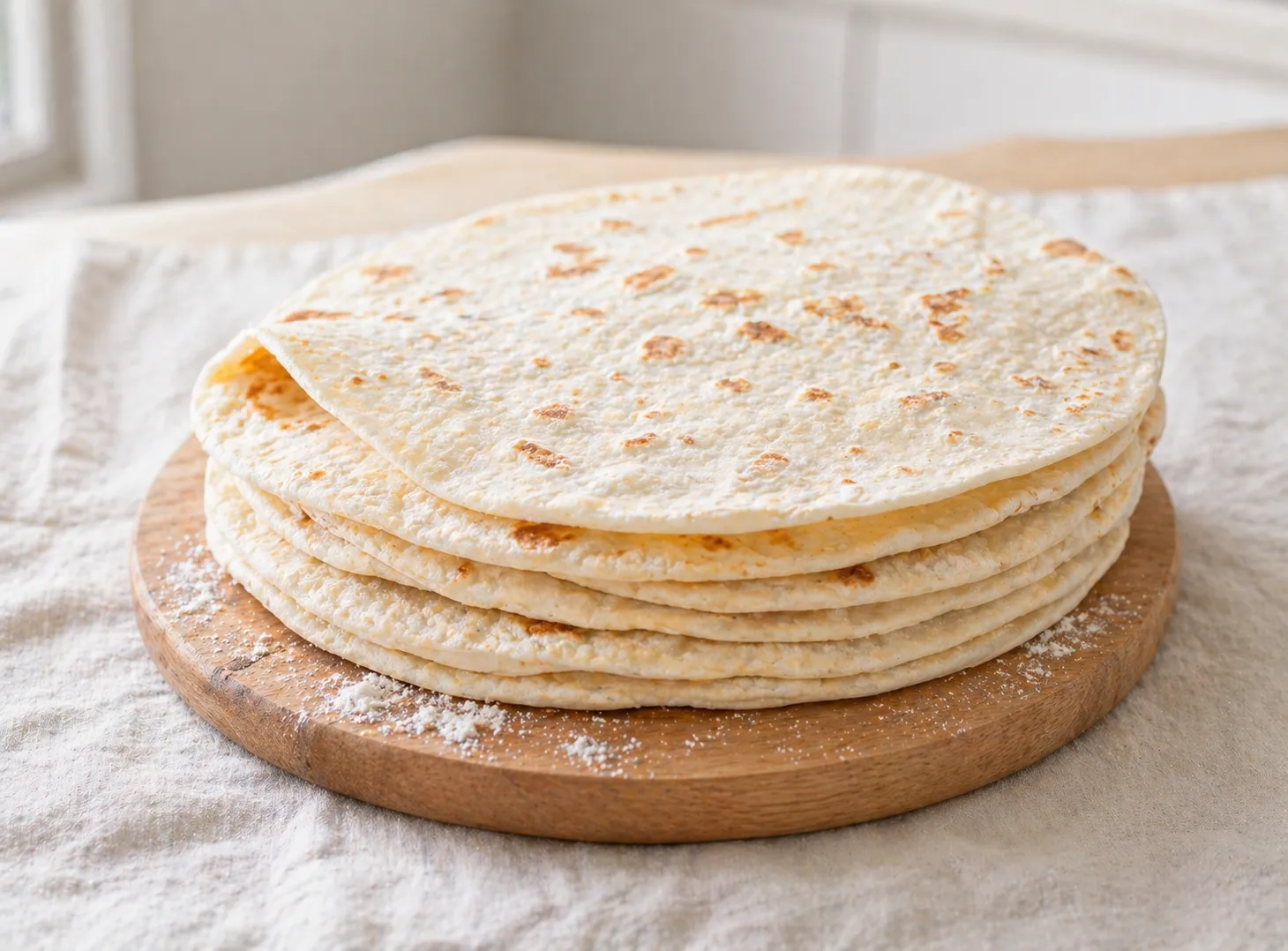
Store-bought tortillas are fine until you taste one made from scratch. This tortilla recipe uses five basic pantry ingredients and gives you soft, pliable rounds with a clean, simple flavor that packaged versions just cannot match. The dough takes about ten minutes to put together. The rest of the work is resting, rolling, and a hot pan. No lard, no special tools, no complicated technique. If you have never made homemade tortillas before, this is a genuinely easy place to start. They work for tacos, burritos, quesadillas, wraps, or just eaten warm with a little butter. Once you make them at home, reaching for the plastic bag at the store starts to feel unnecessary. This recipe is written for beginners but delivers results that even experienced cooks will appreciate. The ingredients are affordable, the process is forgiving, and the payoff is real.
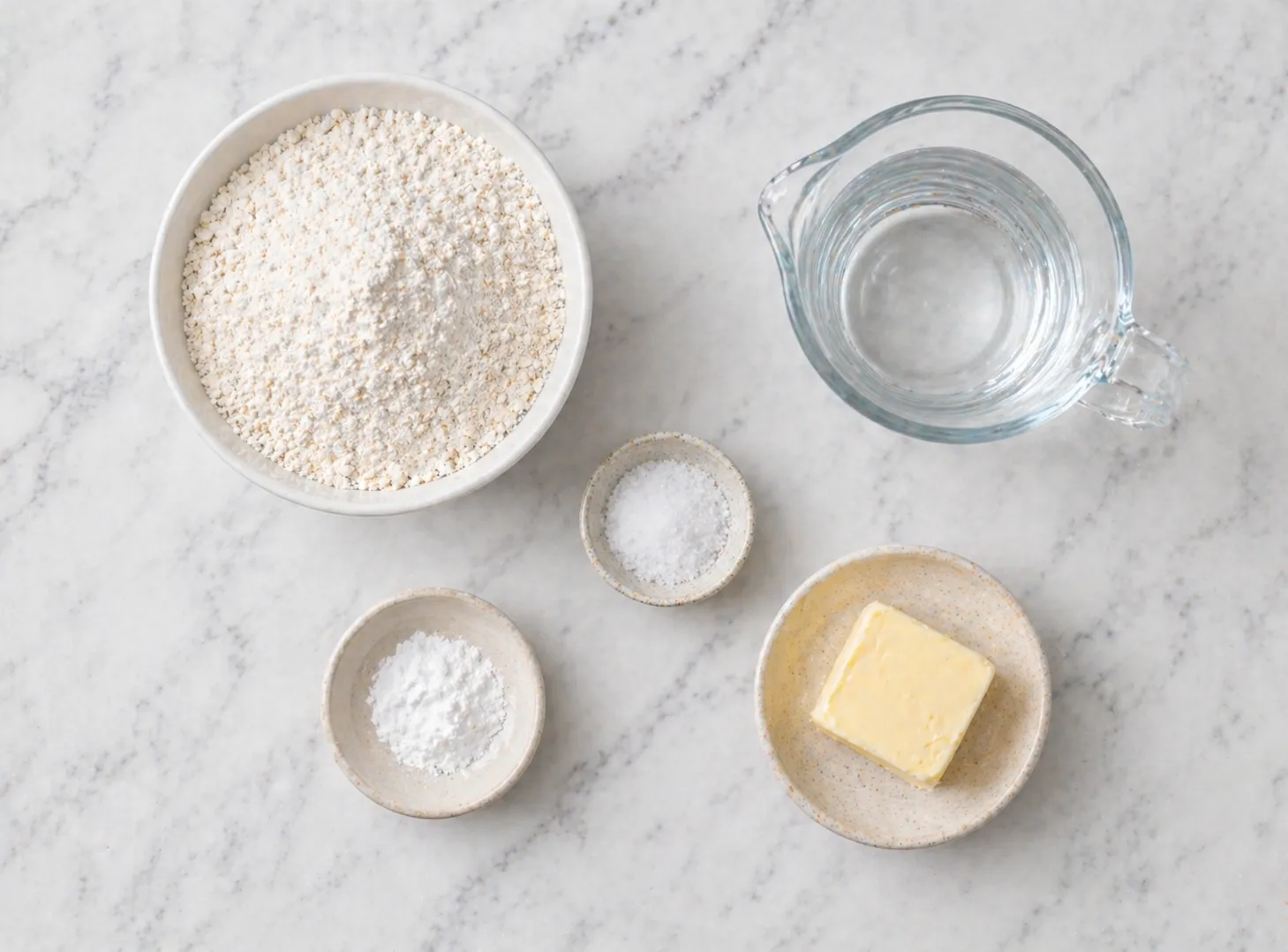
- 2 cups all-purpose flour
- 1 teaspoon salt
- 1 teaspoon baking powder
- 3 tablespoons vegetable shortening or softened unsalted butter
- 3/4 cup warm water, around 100 to 110 degrees F
- Large mixing bowl
- Pastry cutter or clean fingertips for working in the fat
- Rolling pin with some weight to it
- Lightly floured surface or silicone rolling mat
- Cast iron skillet or heavy non-stick pan
- Clean kitchen towel for covering the stack
- Measuring cups and spoons
- Kitchen scale (optional, useful for dividing the dough evenly)
- Combine the dry ingredients, then work in the fat until crumbly.
- Add warm water gradually and knead until the dough is smooth.
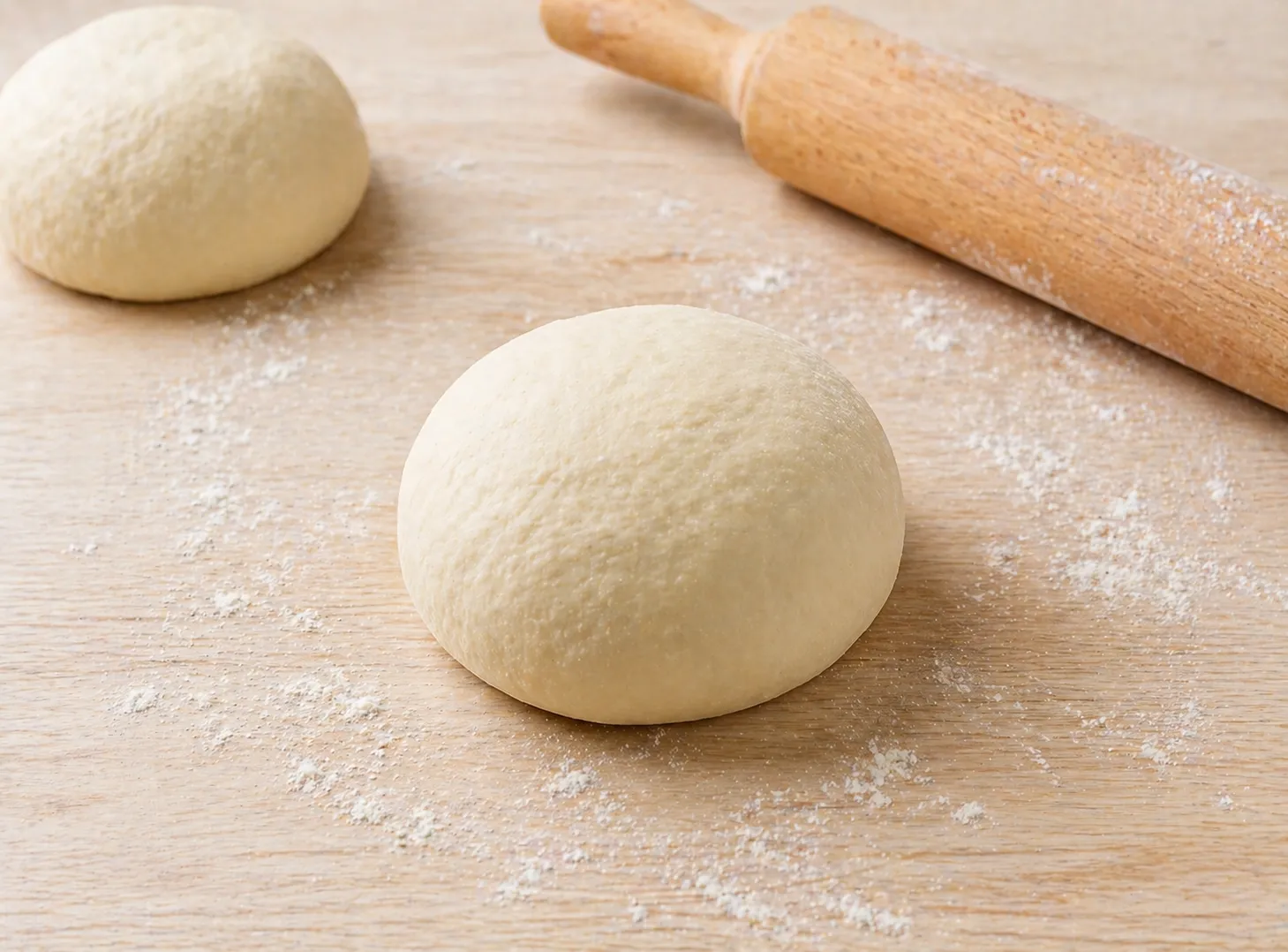
- Cover and let the dough rest for 30 minutes.
- Divide into 8 pieces and roll each into a thin round.
- Cook on a dry, fully preheated skillet for about 1 minute per side.
- Add the flour, salt, and baking powder to a large bowl. Whisk them together so everything is evenly distributed before you add anything else.
- Drop in the shortening or butter. Use your fingertips or a pastry cutter to rub the fat into the flour. Work until the mixture looks like rough, uneven crumbs with no large chunks of fat remaining.
- Pour in the warm water slowly, a few tablespoons at a time, stirring as you go. When the dough starts to pull together into a shaggy mass, set the spoon down and use your hands.
- Knead the dough for about 2 minutes, either in the bowl or on a lightly floured surface. You are looking for a dough that feels smooth and soft. It should not stick to your hands or feel dry and stiff.
- Shape the dough into a ball. Cover the bowl with a towel or plastic wrap and leave it at room temperature for at least 30 minutes. This rest is what makes the dough easy to roll and keeps the tortillas tender. Do not cut it short.
- Once rested, divide the dough into 8 equal pieces. Roll each piece into a smooth ball between your palms.
- On a lightly floured surface, roll each ball into a round about 8 inches across. Aim for even thickness throughout. Thick spots cook unevenly and tend to puff in an unpleasant way.
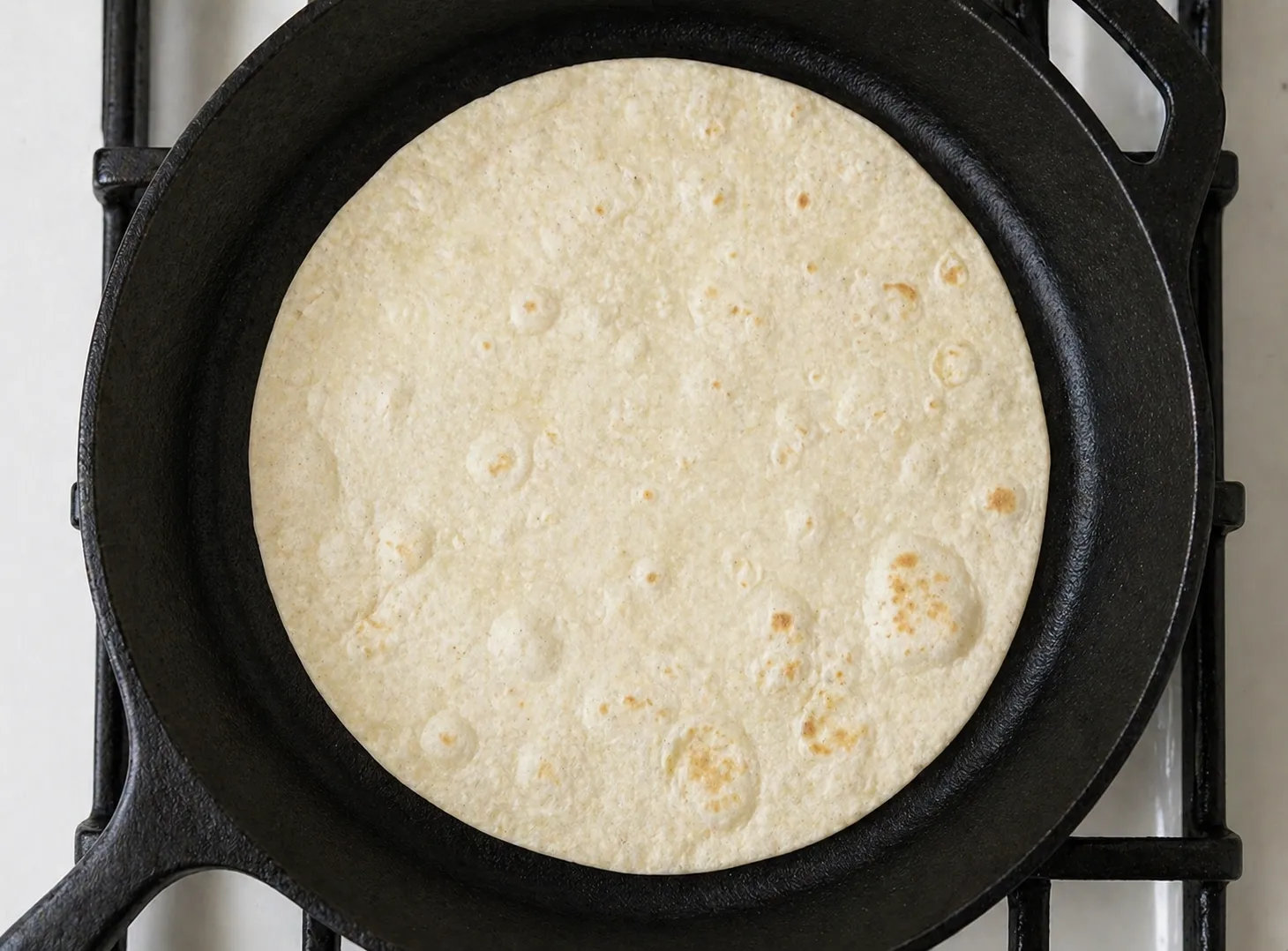
- Set a cast iron or heavy non-stick skillet over medium-high heat. No oil, no butter. The pan should be completely dry. Give it a full minute or two to get genuinely hot before the first tortilla goes in.
- Lay one tortilla flat in the pan. Cook for 45 to 60 seconds. Watch for small bubbles forming across the surface and the edges beginning to look set and dry. That is your cue to flip.
- Cook the second side for 30 to 45 seconds. You want light golden brown spots, not deep color. Slide it onto a plate and cover it immediately with a clean towel.
- Cook the remaining tortillas the same way, stacking them under the towel as you go. The steam that builds up in the stack keeps them soft and foldable.
- The 30 minute rest is not a suggestion. Gluten tightens up during kneading and needs time to relax. Skip the rest and the dough will fight you every time you try to roll it out.
- Roll thin. Thicker tortillas are harder to fold, cook less evenly, and lose that soft, almost silky texture you are going for.
- Fully preheat the pan before the first tortilla. A pan that is warm but not hot enough will dry out the tortilla before it develops any color.
- Cover the stack the moment each tortilla comes off the heat. Leaving them uncovered even for a few minutes makes them stiff.
- If the dough springs back every time you roll it, stop and let it sit uncovered for another 10 minutes. It just needs more time.
- Use a rolling pin with some weight behind it. Lightweight pins make it harder to get a consistently thin round.
- Warm water works. Hot water changes the dough texture in ways that are hard to predict. Aim for warm, roughly the temperature of a comfortable bath.
- Skipping or shortening the rest time. This is the most common reason homemade tortillas turn out tough.
- Dusting in too much extra flour while kneading. A little is fine. Too much dries the dough out and the tortillas end up stiff.
- Rolling too thick. Thin tortillas are softer, more flexible, and cook more reliably.
- Starting with an underheated pan. The tortilla will sit and steam instead of cooking properly, and the result is chewy in the wrong way.
- Cooking too long. Past 60 seconds per side, you start losing softness fast.
- Leaving cooked tortillas uncovered. They dry out quickly. Keep them stacked and covered until you are ready to use them.
- Using cold fat. Cold shortening or butter does not blend into the flour the way softened fat does. Let it come to room temperature first.
- Butter: Swap shortening for softened unsalted butter in the same amount. The flavor is slightly richer and the texture stays close to the original.
- Lard: The traditional choice. Use the same quantity. It produces a noticeably tender, well-flavored tortilla.
- Olive oil: Works in a pinch but produces a slightly less tender result. Use the same amount.
- Whole wheat flour: Replace half the all-purpose flour with whole wheat. Expect a nuttier flavor and a mildly denser texture.
- Gluten-free flour: A 1:1 gluten-free blend can work, but results vary by brand. The tortillas will be a little more fragile and may crack when folded if rolled too thin.
- Smaller tortillas: Divide into 12 pieces instead of 8 for taco-sized rounds.
- Larger tortillas: Divide into 6 pieces and roll wider for burrito-style wraps.
- Seasoned tortillas: Add a teaspoon of garlic powder or a pinch of cumin to the dry ingredients for a subtle flavor shift without overpowering anything.
- Tacos with seasoned ground beef, shredded chicken, or slow-cooked pork
- Breakfast burritos with scrambled eggs, cheese, and salsa
- Quesadillas with melted cheese and whatever vegetables you have
- Bean and rice bowls wrapped up for a fast, filling lunch
- Chicken or beef fajitas with sauteed peppers and onions
- Pulled pork or carnitas with pickled onions and a squeeze of lime
- Alongside soup, stew, or chili as an alternative to bread
- Eaten warm, straight from the pan, with just butter and salt
- Room temperature: Store in a sealed zip bag or wrapped in foil. Good for up to 2 days.
- Refrigerator: Stack with a small square of parchment between each tortilla, place in a bag, and refrigerate for up to 5 days.
- Freezer: Layer with parchment, seal in a freezer bag, and freeze for up to 3 months. Thaw overnight in the fridge or for an hour at room temperature.
- Reheating on the stovetop: Dry pan, medium heat, 20 to 30 seconds per side. This is the best method by a clear margin.
- Reheating in the microwave: Wrap a few tortillas in a slightly damp paper towel and microwave for 20 to 30 seconds. They come out soft but not quite as good as stovetop reheated.
- From frozen: Always thaw fully before reheating. Microwaving from frozen makes them rubbery and unpleasant.
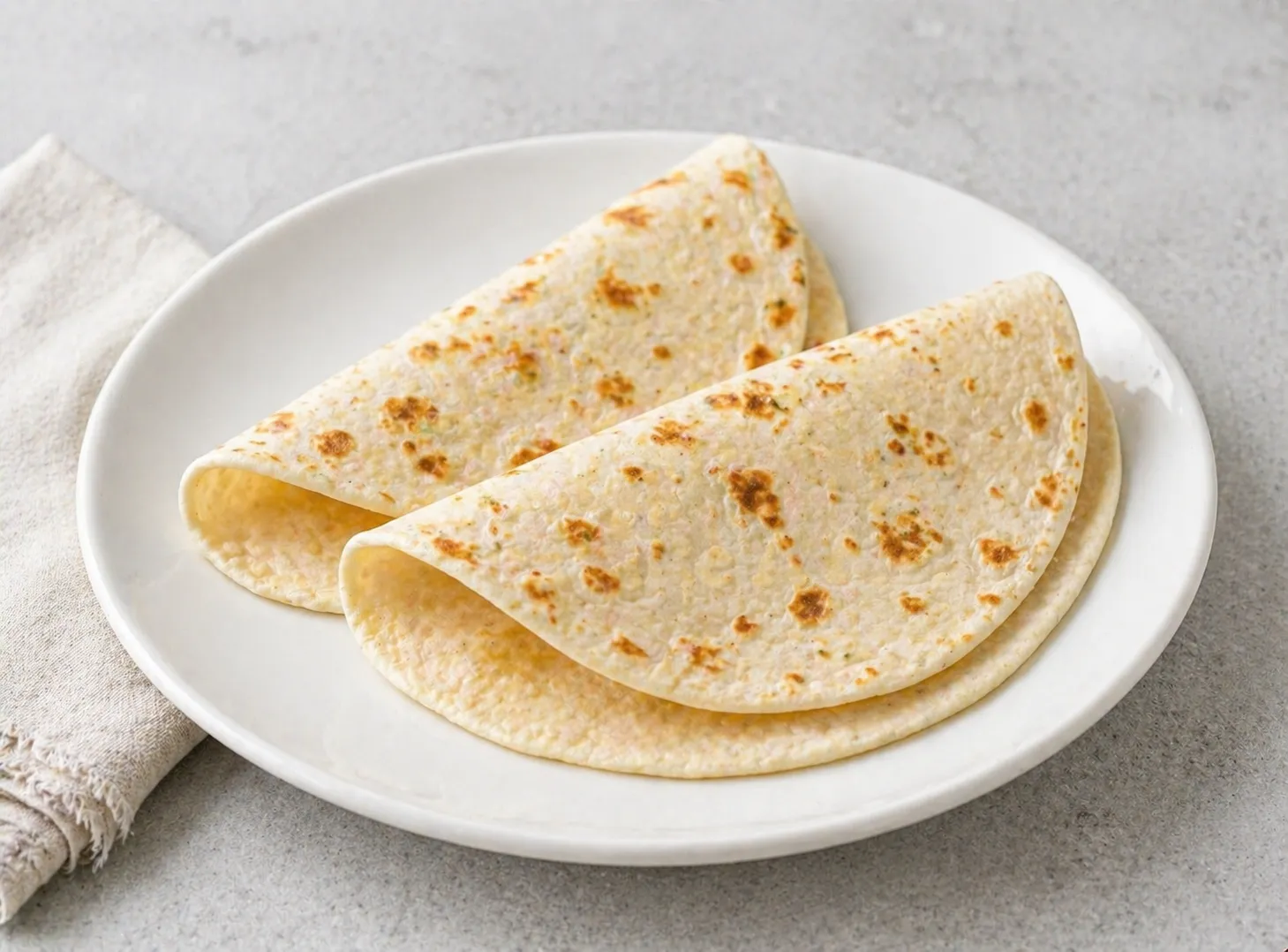
The two most likely causes are not enough rest time and overcooking. Let the dough rest the full 30 minutes and pull the tortillas off the heat as soon as they have light color on both sides. Cover them immediately.
Yes. Wrap the rested dough in plastic wrap and refrigerate it for up to 24 hours. Before rolling, let it sit out for 15 minutes so it softens slightly and becomes easier to work with.
No. A rolling pin is all you need for flour tortillas. Presses are more commonly used for corn tortillas, which are made from a completely different dough.
You can. Leave out the baking powder if you do, and reduce the salt slightly since self-rising flour already contains both.
The gluten is still too tight. Cover the dough and leave it alone for another 10 minutes, then try again. Forcing it will not help.
Look for bubbles forming across the surface and edges that look dry and set. That usually happens between 45 and 60 seconds on a properly preheated pan.
- This recipe makes standard 8-inch tortillas. Roll the dough balls larger or smaller depending on what size you need.
- The baking powder adds a small amount of lift. Leaving it out gives a slightly denser, more traditional result. Either way works.
- Two minutes of kneading is enough. Over-kneading makes the dough elastic and hard to roll thin.
- Every stovetop runs a little differently. Adjust your heat up or down based on how fast the tortillas are coloring.
- Fresh tortillas are at their best the same day. After 48 hours at room temperature, the texture starts to fall off.
- This recipe doubles and triples easily. Freeze extras in portions you will actually use.
This tortilla recipe is one of those things that seems small until you actually make it. The process is simple, the ingredients cost almost nothing, and the results are genuinely better than what comes out of a bag. Make a double batch on the weekend, freeze half, and you have fresh homemade tortillas ready to go any night of the week without any extra effort. Once this becomes a regular part of your kitchen routine, you will wonder why you ever bought them pre-made. The time investment is low, the skill requirement is minimal, and the difference in quality is hard to argue with. Give it one try and you will understand why so many home cooks make this a staple.
They turned out perfect, used butter delicious thank you. First time I made these.
Thank you! So glad they turned out perfect for your first time, and butter is a delicious choice! 😊