

Some soups are light and brothy. This one is not. This potato soup recipe is thick, filling, and made from ingredients you probably already have. It takes under an hour from start to finish, and the result is a bowl that actually sticks with you. It works as a quick weeknight dinner, a lazy weekend lunch, or something warm to make when the temperature drops and you just want food that feels like comfort without a lot of effort. Beginners can handle it easily. Anyone who already cooks will appreciate how straightforward it is.
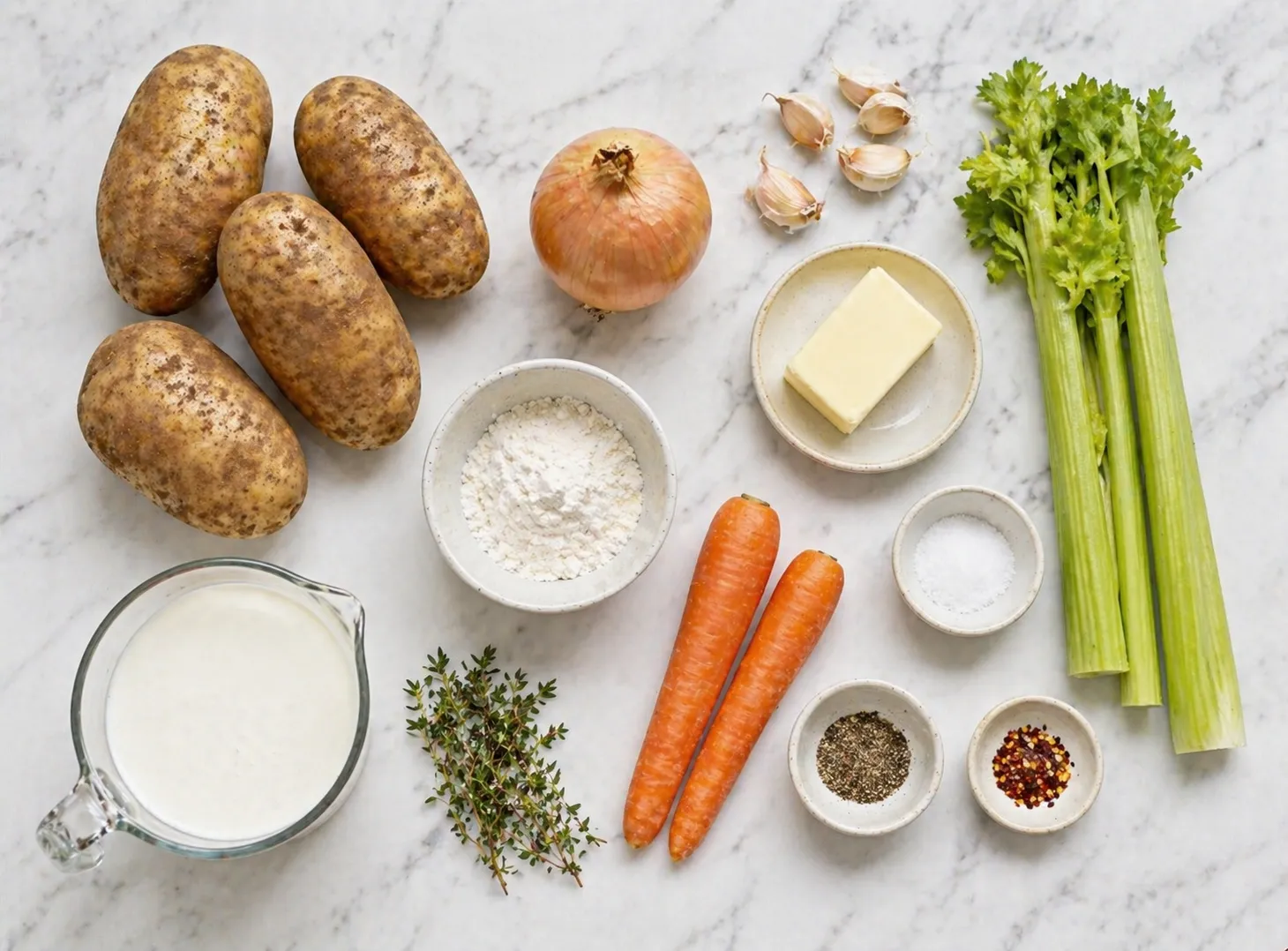
- 2 pounds russet potatoes, peeled and cut into 1-inch cubes
- 1 medium yellow onion, diced
- 4 cloves garlic, minced
- 3 stalks celery, sliced
- 3 medium carrots, peeled and sliced
- 4 cups chicken broth (vegetable broth works too)
- 1 cup water
- 3 tablespoons unsalted butter
- 3 tablespoons all-purpose flour
- 1 and 1/2 cups whole milk
- 1 cup heavy cream
- 1 cup sour cream
- 1 teaspoon salt, plus more to taste
- 1/2 teaspoon black pepper
- 1/2 teaspoon smoked paprika
- 1/4 teaspoon garlic powder
- 1/4 teaspoon onion powder
- 1/2 teaspoon dried thyme
- Shredded sharp cheddar cheese
- Crumbled cooked bacon
- Sliced green onions
- A spoonful of sour cream
- Crushed crackers
- Large heavy-bottomed pot or Dutch oven, at least 6-quart capacity
- Wooden spoon or silicone spatula
- Chef's knife and cutting board
- Vegetable peeler
- Immersion blender or standard blender with a heat-safe jar
- Ladle for serving
- Measuring cups and spoons
- Small whisk
- Soften the vegetables in butter with aromatics.
- Stir in flour and cook it briefly to form the roux.
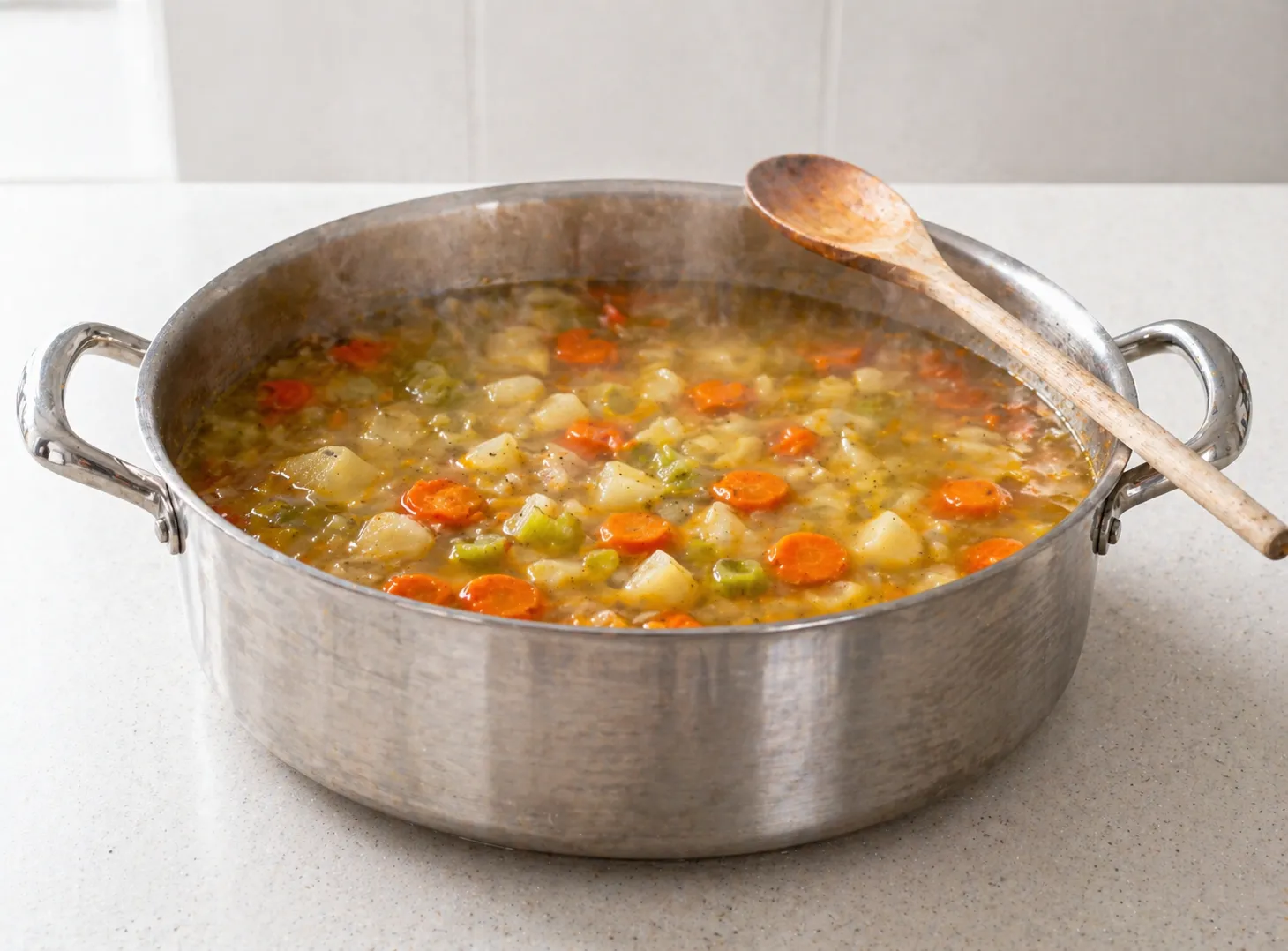
- Add broth and potatoes, then simmer until the potatoes are tender.
- Stir in the dairy and blend part of the soup for body.
- Season, rest for a few minutes, and serve with toppings.
- Step 1: Prep Everything First
- Peel and cube the potatoes into even 1-inch pieces. Uniform size matters here because uneven chunks cook at different rates and you will end up with some mushy and some undercooked. Dice the onion, mince the garlic, slice the celery, and peel and slice the carrots. Get it all done before you turn on the stove.
- Step 2: Cook the Aromatics
- Set a large pot or Dutch oven over medium heat. Add the butter and let it melt. Add the onion and celery and cook for 4 to 5 minutes, stirring now and then, until the onion goes soft. Add the garlic and stir for about 60 seconds. You want it fragrant, not browned.
- Step 3: Make the Roux
- Sprinkle the flour over the vegetables and stir it in right away. Cook for 1 to 2 minutes while stirring constantly. The mixture will look dry and clumpy. That is fine. This step cooks out the raw flour taste and is what thickens the soup later. Do not rush past it.
- Step 4: Add the Broth and Vegetables
- Pour the chicken broth in slowly while stirring. This keeps lumps from forming. Add the water and stir until everything looks smooth and combined. Add the potatoes, carrots, salt, pepper, smoked paprika, garlic powder, onion powder, and thyme. Give it a good stir.
- Step 5: Simmer Until Tender
- Turn the heat to medium-high and bring the soup to a boil. Once it is boiling, reduce to medium-low. Leave the lid slightly ajar and simmer for 18 to 22 minutes. The potatoes are done when a fork slides through them with no resistance. If there is any firmness left, keep going.
- Step 6: Stir in the Dairy
- Turn the heat down to low before adding anything creamy. Stir in the whole milk, then the heavy cream, then the sour cream. Whisk gently until the sour cream is fully blended in. Do not raise the heat after this point. Boiling dairy-based soups causes them to separate.
- Step 7: Blend for Texture
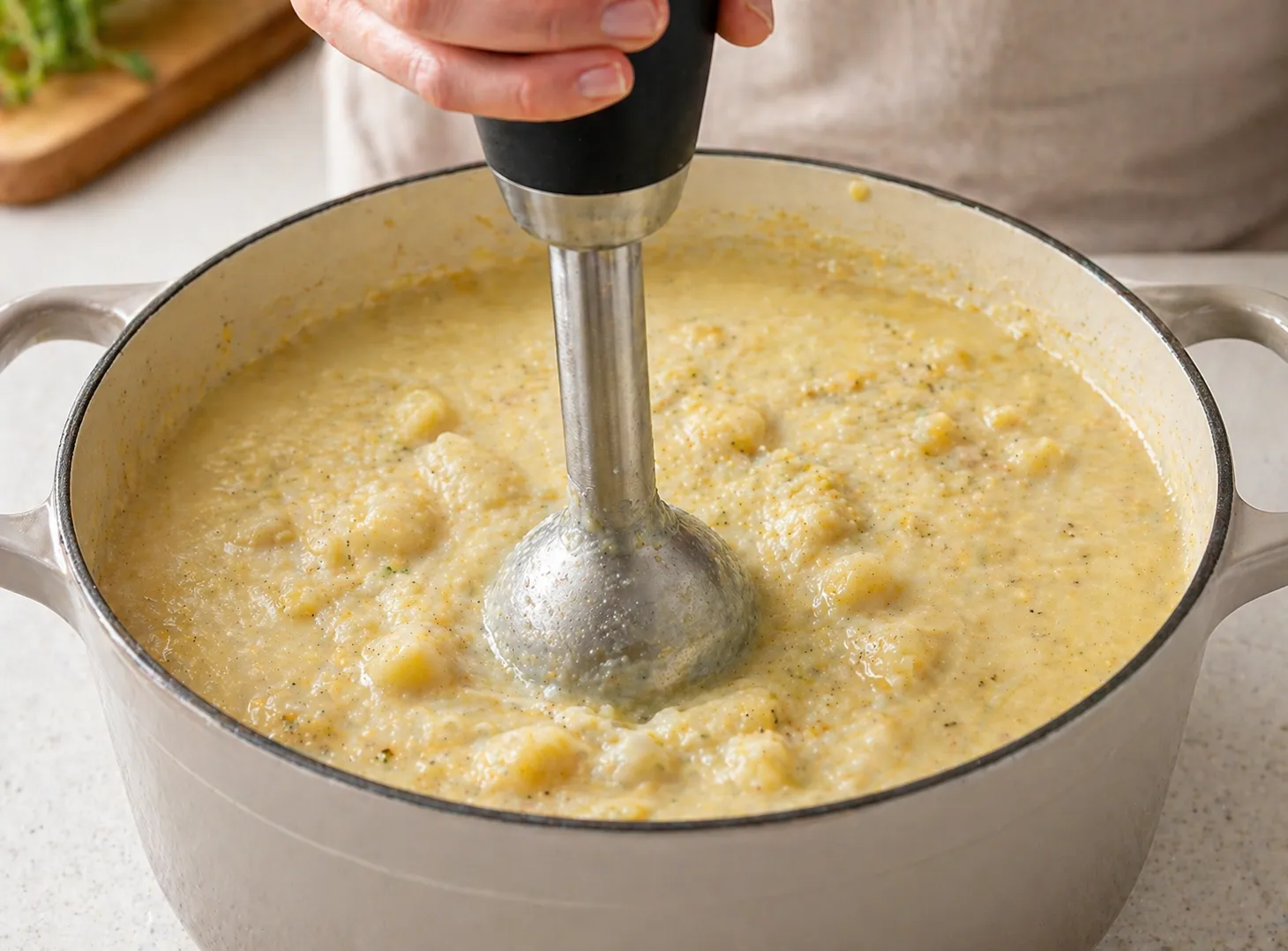
- Use an immersion blender to blend about half the soup directly in the pot. Leave the rest chunky. This is what gives the soup its thick, substantial texture without turning it into a puree. No immersion blender? Scoop out 2 cups, blend them in a regular blender, and stir them back in.
- Step 8: Taste and Rest
- Taste the soup and adjust salt and pepper. Turn off the heat and let the soup sit for 5 minutes uncovered. It will thicken slightly as it rests. Ladle into bowls and add whatever toppings you like.
- Russet potatoes are the right choice here. They are starchy enough to break down slightly and naturally thicken the broth without any help.
- Cut everything to a similar size so it all finishes cooking at the same time.
- Cook the roux for at least a full minute. Undercooked flour leaves a pasty taste in the finished soup.
- If you have time, warm the milk before adding it. Cold dairy going into a hot pot can cause uneven texture.
- Blend only half the soup. A fully blended potato soup loses the texture that makes it satisfying.
- Always taste before salting at the end. Broth carries a lot of sodium on its own.
- Add toppings right before serving so they stay fresh and do not get soggy.
- Using waxy potatoes like red or new potatoes. They hold their shape too well and will not give you a thick result.
- Boiling the soup after adding cream or milk. The heat will break the dairy and make the soup look grainy or separated.
- Rushing the onion and garlic step. Undercooked aromatics leave a sharp raw flavor that carries through the whole pot.
- Skipping the blending step. Without it, the broth stays thin and watery instead of creamy and thick.
- Adding all the salt before tasting. Broth is already seasoned. Season gradually and taste as you go.
- Covering the pot fully during the simmer. A covered pot traps steam and can make the soup bubble over.
- Vegetarian: Use vegetable broth instead of chicken broth. The flavor holds up well.
- Dairy-free: Swap the heavy cream for full-fat coconut milk and use a plant-based sour cream.
- Add protein: Stir in shredded rotisserie chicken or cooked crumbled sausage in the last 5 minutes of cooking.
- Loaded version: Top with bacon, shredded cheddar, and green onions for something closer to a loaded baked potato in soup form.
- Spicy: Add a pinch of cayenne or a few dashes of hot sauce when you season.
- Corn and potato: Add 1 cup of frozen or canned corn when you add the potatoes. It adds a natural sweetness and more bulk.
- Leek swap: Replace half the onion with sliced leeks for a softer, slightly sweeter base flavor.
- Cheesy version: After removing from heat, stir in 1 and 1/2 cups of shredded sharp cheddar until melted. Rich, thick, and very good.
- Crusty sourdough or a warm baguette for dipping
- Buttered dinner rolls
- A simple green salad with vinaigrette to cut through the richness
- Grilled cheese cut into strips, good for dipping
- Garlic bread or cheesy toast
- Roasted vegetables on the side for a more complete meal
- Cornbread if you want something with a little sweetness
- Storage:
- Cool the soup completely before putting it away.
- Store in an airtight container in the fridge for up to 4 days.
- Freeze for up to 2 months in freezer-safe containers. Leave some space at the top since liquid expands.
- Reheating:
- Warm on the stovetop over low to medium-low heat, stirring often.
- Add a splash of broth or milk if the soup has thickened too much in the fridge.
- If using the microwave, heat at 50 percent power in short bursts and stir between each one. High heat separates the dairy.
- Never boil it again when reheating.
- Freezing Notes:
- Cream-based soups can sometimes turn slightly grainy after freezing and thawing. Reheat slowly over low heat and whisk steadily to smooth it back out.
- For the cleanest result, freeze the soup before adding the dairy. Add the cream and sour cream fresh when you reheat.

Russet potatoes work best because of their starch content. Yukon Golds are a decent backup and add a slightly buttery flavor. Skip red potatoes or fingerlings.
Yes, and it actually tastes better the next day once the flavors have had time to settle. Reheat gently and add a little broth if needed.
Add everything except the dairy to the slow cooker. Cook on low for 6 to 8 hours or high for 3 to 4 hours. Stir in the cream, milk, and sour cream during the last 30 minutes on the low setting.
Blend more of the soup. You can also stir in a tablespoon of instant mashed potato flakes or make a small extra roux and whisk it in.
This usually happens when dairy is added over high heat or the soup is brought back to a boil after the cream goes in. Keep the heat low and add dairy slowly.
You can, but the soup will be thinner and less creamy. Whole milk and heavy cream give the best texture. If you reduce the fat, expect a lighter result.
- This makes a large batch, which is part of what makes it worth the effort. It scales up well.
- The soup continues to thicken as it cools. Thin it out with broth or milk when reheating leftovers.
- Smoked paprika adds a quiet depth to the flavor. It does not make the soup smoky but it rounds everything out nicely.
- For an extra-smooth result, pass the blended soup through a fine-mesh strainer before serving.
- Sour cream adds a mild tang that balances the cream. It is optional but it makes a noticeable difference.
- If your potatoes are very starchy, start with 2 tablespoons of flour in the roux and add more only if the soup looks too thin after simmering.
This potato soup recipe is the kind of thing you make once and then find yourself coming back to every few weeks through fall and winter. It is thick without being heavy, creamy without crossing into overly rich, and filling enough to serve as a full meal on its own. The leftovers reheat well, the recipe is flexible enough to work with what you have on hand, and there is nothing complicated about pulling it together. Once the weather turns cold, this one earns its place in regular rotation. Make a big pot, top it the way you like, and enjoy every bowl of it.