
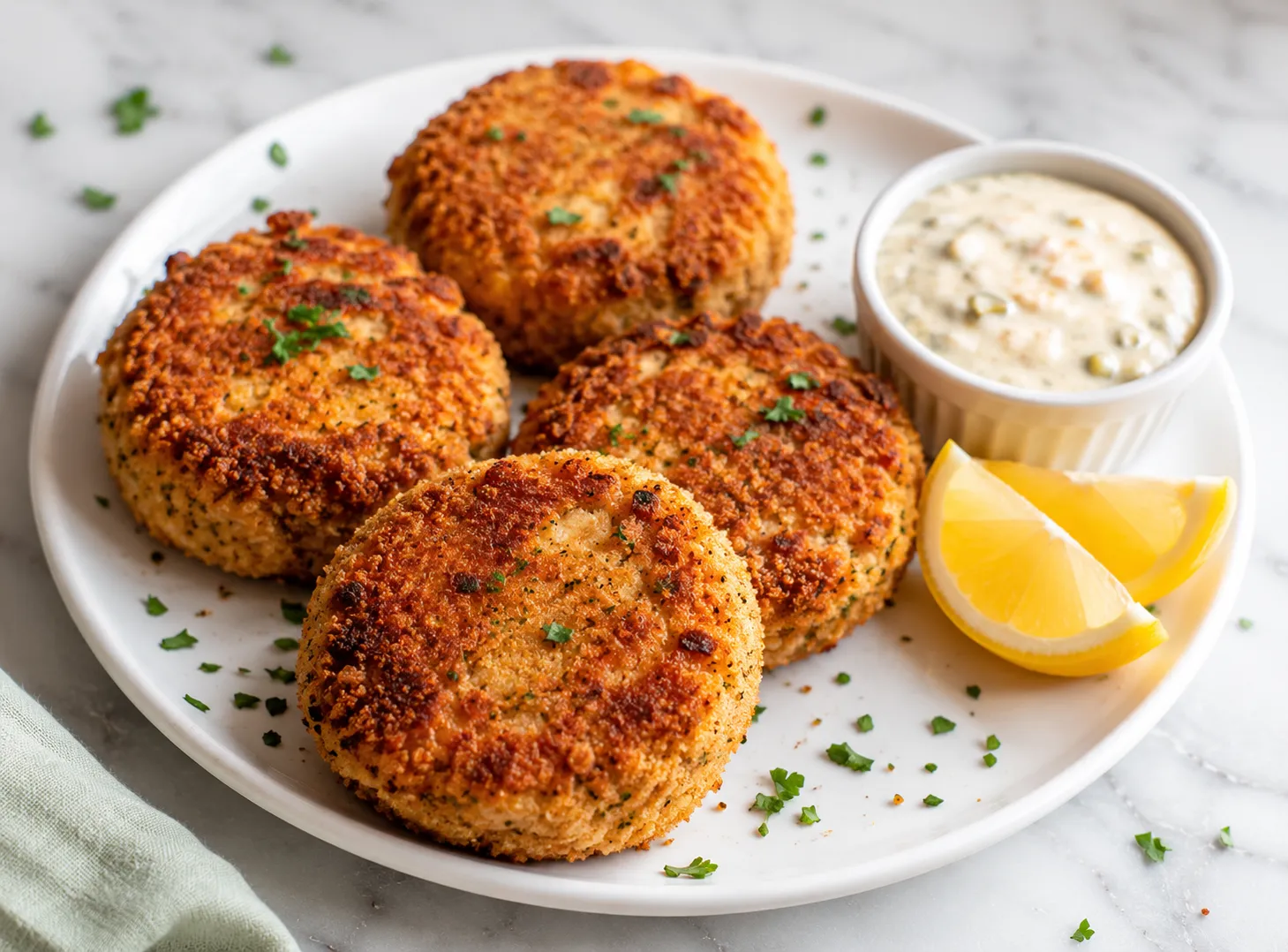
Canned tuna has a bad reputation it does not deserve. When you season it right, bind it properly, and give it a hot pan, it turns into something genuinely worth eating. These tuna patties come out crispy on the outside and tender in the center, and the whole thing takes about 25 minutes from start to finish. No thawing, no marinating, no complicated technique. If you keep canned tuna in your pantry, you already have most of what you need. A solid tuna patties recipe is one of those practical, back-pocket meals that earns its place in the weekly rotation.
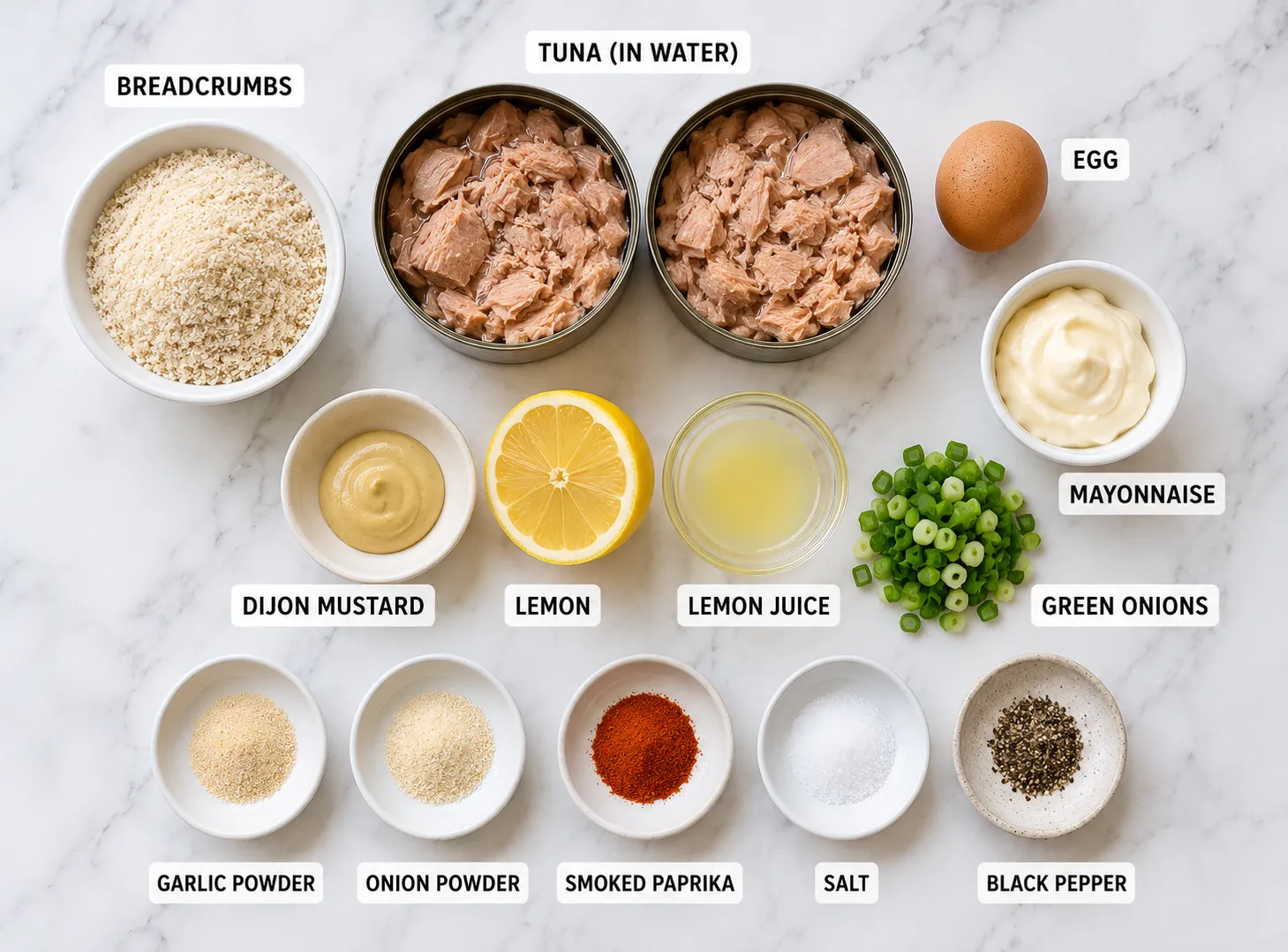
- 2 cans canned tuna in water (5 oz each) , Drain very well. Press the lid in hard to squeeze out all the liquid.
- 1/3 cup breadcrumbs , Plain or seasoned both work. Panko gives a crispier crust.
- 1 large egg
- 2 tablespoons mayonnaise , Do not overdo it. Too much makes the mix too soft.
- 1 tablespoon Dijon mustard
- 2 green onions, finely chopped , Chop them small. Big pieces can push the patty apart.
- 1 tablespoon fresh lemon juice , Fresh makes a real difference here. Bottled works in a pinch.
- 1/2 teaspoon garlic powder
- 1/2 teaspoon onion powder
- 1/4 teaspoon black pepper
- 1/4 teaspoon salt
- 1/4 teaspoon smoked paprika , Optional but recommended. Adds subtle depth.
- 2 tablespoons olive oil or vegetable oil
- lemon wedges
- tartar sauce or sriracha mayo
- fresh parsley, chopped
- Drain the tuna completely and break it into fine flakes.
- Mix in the egg, mayo, mustard, lemon juice, and seasonings.
- Fold in breadcrumbs and green onions until the mixture holds its shape.
- Form into patties and chill for 5 minutes before cooking.
- Pan-fry in oil over medium heat for 3 to 4 minutes per side until golden.
- Rest briefly on paper towels and serve hot.
- Open both cans of tuna and press the lid firmly into each can to push out as much liquid as possible. Drain again through a strainer if needed. Wet tuna is the main reason patties fall apart, so take this step seriously.
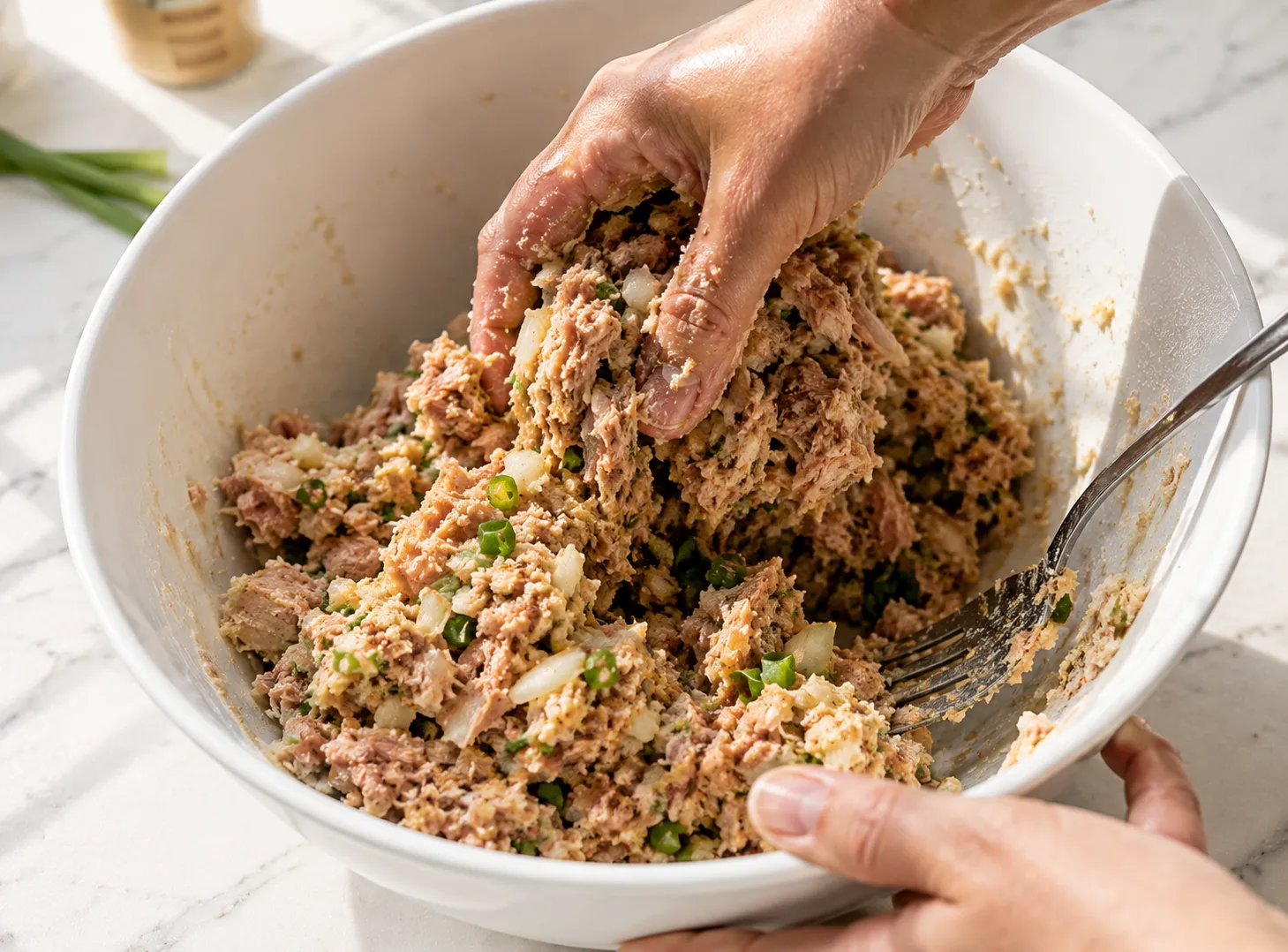
- Add the drained tuna to a large mixing bowl. Use a fork to break it into fine, even flakes. No large chunks should remain.
- Add the egg, mayonnaise, Dijon mustard, and lemon juice to the bowl. Mix well.
- Add the garlic powder, onion powder, salt, black pepper, and smoked paprika. Stir until everything is combined evenly.
- Fold in the breadcrumbs and finely chopped green onions. The mixture should feel moist but firm enough to hold a shape when pressed. If it feels too wet, add one more tablespoon of breadcrumbs and mix again.
- Taste the mixture now and adjust the salt or lemon if needed. Once the patties are cooked, seasoning adjustments are harder to make.
- Scoop about 3 tablespoons of mixture per patty. Press firmly and shape into a round, flat disc about 3/4 inch thick. Repeat until all the mixture is used. You should get around 8 patties.
- Place the shaped patties on a plate and refrigerate for 5 minutes. This short rest helps them stay together in the pan.
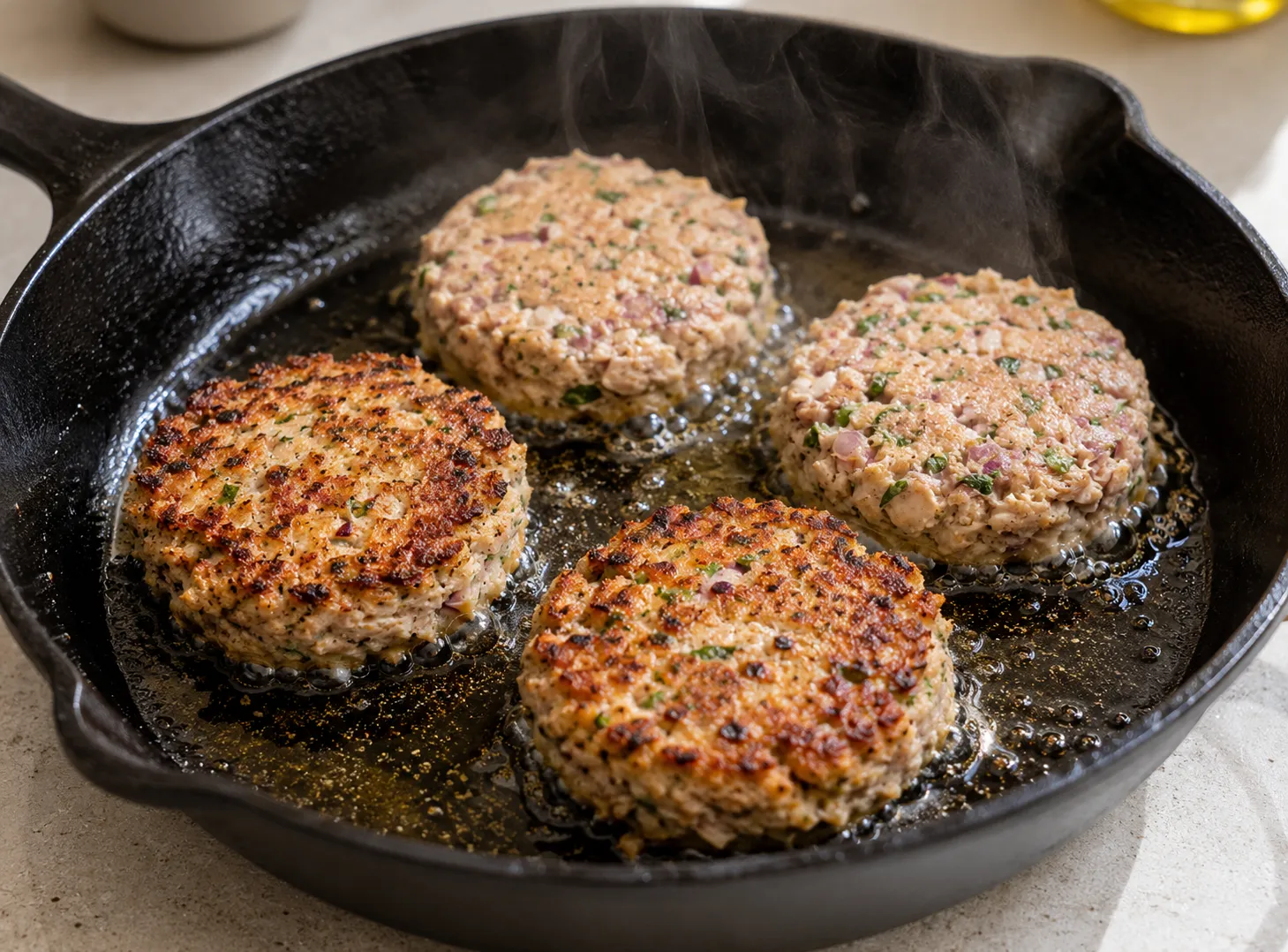
- Heat a skillet over medium heat. Add the oil and let it warm for 1 to 2 minutes until it shimmers. Do not rush this step with high heat.
- Add the patties to the pan without crowding them. Work in batches if needed. Cook the first side for 3 to 4 minutes without touching them. Wait until the edges look set and the underside is golden.
- Flip each patty gently using a thin spatula. Cook the second side for another 3 to 4 minutes until it matches the first side in color and firmness.
- Transfer the cooked patties to a paper towel-lined plate. Let them sit for 2 minutes before serving. This keeps the outside crisp instead of soggy.
- Drain the tuna twice if it seems especially wet. Press it hard with the back of a spoon or squeeze it in a clean kitchen towel. Moisture control is everything with this recipe.
- Chill the shaped patties before cooking, even just 5 minutes. Warm mixture goes soft in the pan before it can form a proper crust.
- Cast iron is the best pan for this job. It holds heat evenly and produces a more consistent crust than thinner pans.
- Stay at medium heat the whole time. High heat browns the outside before the egg inside has time to set.
- Flip once and only once. Extra flipping breaks patties apart.
- A thin fish spatula is the right tool here. A thick spatula tends to crack the edges when you try to slide under the patty.
- Chop everything going into the mix as finely as you can. Larger pieces of onion or herb create weak spots that split during cooking.
- Season and taste the raw mixture before shaping. That is your window to get it right.
- Not draining the tuna well enough. Even a small amount of extra moisture changes the texture of the whole batch.
- Adding too much mayo. It makes the mixture too soft to hold a shape and the patties end up greasy.
- Making the patties too thick. Thicker patties stay raw inside while the outside overcooks. Aim for 3/4 inch.
- Flipping before the patty is ready. If it sticks to the pan, it is not done yet. Give it another 30 seconds and try again.
- Packing too many patties into the pan at once. Overcrowding drops the temperature and causes steaming instead of crisping.
- Measuring breadcrumbs from a damp cup. Pack them dry for accurate results.
- Skipping the rest before cooking. Skipping it gives you patties that soften in the pan before they can brown properly.
- Cooking on low heat to play it safe. Low heat produces a pale, soft outside and takes twice as long.
- No breadcrumbs: Use crushed crackers, panko, or quick oats instead. Panko gives the crispiest result.
- No mayo: Plain Greek yogurt works well and keeps the patties moist without making them heavy.
- For heat: Add 1/4 teaspoon cayenne or a few dashes of hot sauce to the mix.
- Cheese version: Fold in 2 tablespoons of grated parmesan or sharp cheddar for a richer flavor.
- Herb swap: Fresh dill, flat-leaf parsley, or chives work in place of green onions.
- Gluten-free: Substitute with gluten-free breadcrumbs or almond flour at the same amount.
- No lemon: A teaspoon of apple cider vinegar adds a similar brightness.
- Tuna in oil: Works fine. Drain it very well and skip adding any extra oil to the mixture.
- Air fryer: Spray patties with oil and cook at 375 degrees F for 8 to 10 minutes, flipping once halfway through.
- Oven baked: Bake on a greased sheet at 400 degrees F for 15 to 17 minutes, flipping once. Less crispy than pan-fried but still a solid option.
- Creamy or vinegar-based coleslaw
- Roasted or air-fried potatoes
- Simple green salad with lemon vinaigrette
- Steamed rice with a squeeze of lemon
- Cucumber and tomato salad
- Corn on the cob or a quick corn saute
- Toasted burger buns for a tuna patty sandwich
- Tartar sauce, sriracha mayo, or plain Greek yogurt as a dip
- Pickles and sliced avocado on the side
- A light vegetable soup for a fuller lunch
- Refrigerator: Cool the patties completely before storing. Layer them in an airtight container with parchment paper between each patty. Keeps well for up to 3 days.
- Freezer (cooked): Wrap each patty individually in plastic wrap, then place them in a freezer bag. Freezes for up to 2 months.
- Freezer (uncooked): Freeze shaped patties flat on a baking sheet first, then transfer to a bag. Cook from frozen by adding 3 to 4 extra minutes per side.
- Skillet reheat: Best method. Use a little oil over medium heat for 2 to 3 minutes per side. The crust comes back nicely.
- Oven reheat: 375 degrees F for 10 minutes, flipped halfway through.
- Air fryer reheat: 350 degrees F for 5 to 6 minutes. Very close to fresh.
- Microwave reheat: Works but softens the crust. Cover with a damp paper towel and heat in 30-second bursts.
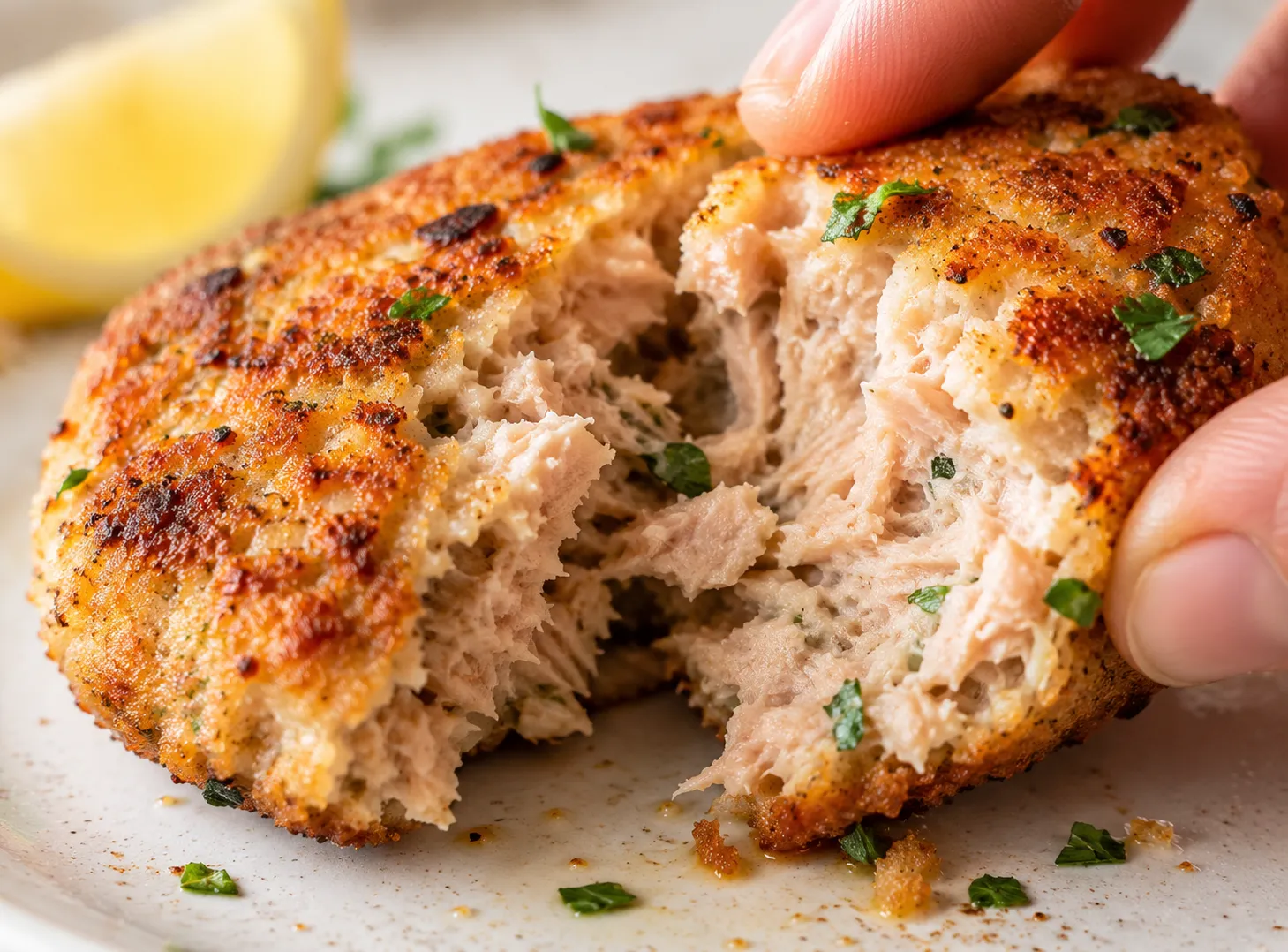
The most common cause is too much moisture in the tuna. Drain it thoroughly and press hard to remove all the liquid. If the mixture still feels too wet after draining, add one more tablespoon of breadcrumbs. Chilling the shaped patties for 5 minutes before cooking also helps them stay together in the pan.
Yes. Shape the patties up to 24 hours in advance, cover them, and keep them in the refrigerator. Cook them when you are ready to eat. They hold their shape well after chilling.
You can. Cook and flake about 10 ounces of fresh tuna, let it cool completely, and use it exactly as you would canned. The flavor is a bit different but the method is the same.
Both chunk light and solid white albacore work well. Albacore has a firmer texture and holds its shape a little better. Chunk light flakes more finely, which some people prefer. Use whichever you have.
Yes. Mix one tablespoon of ground flaxseed with three tablespoons of water and let it sit for 5 minutes until it gels. Use that in place of the egg. The patties will be slightly more delicate but still cook up well.
They are a solid source of lean protein and omega-3 fatty acids. Keeping the mayo moderate and using olive oil for cooking keeps the fat content reasonable. Served with a vegetable side, it makes a balanced meal.
- Always taste the raw mixture before shaping. That is the right time to adjust salt or lemon, not after the patties are cooked.
- The 5-minute chill before cooking is a small step that makes a real difference. Do not skip it.
- If the mixture feels too dry, add mayonnaise one teaspoon at a time. Adding more egg changes the texture in a way that is harder to fix.
- Make the patties the same size and thickness for even cooking. A scoop or large spoon helps keep them consistent.
- Do not press down on the patties while they cook. Let the oil and heat do the work.
- Fresh lemon juice makes a noticeable difference compared to bottled. Use it when you have it.
- The smoked paprika is optional but worth including. It adds a subtle background flavor that works well with tuna.
- If making a large batch, keep cooked patties warm on a baking sheet in a 200-degree F oven while the rest finish cooking.
A good tuna patties recipe is worth having in your back pocket. It asks very little from you, a couple of pantry cans, a handful of basic ingredients, and about 15 minutes at the stove, and puts a genuinely satisfying meal on the table. Once you nail the draining step and get a feel for the right pan temperature, the whole process becomes second nature. These patties are practical, adaptable, and the kind of meal you find yourself coming back to when the week gets busy and you need dinner on the table fast. Make them once and you will see what all the fuss is about.