
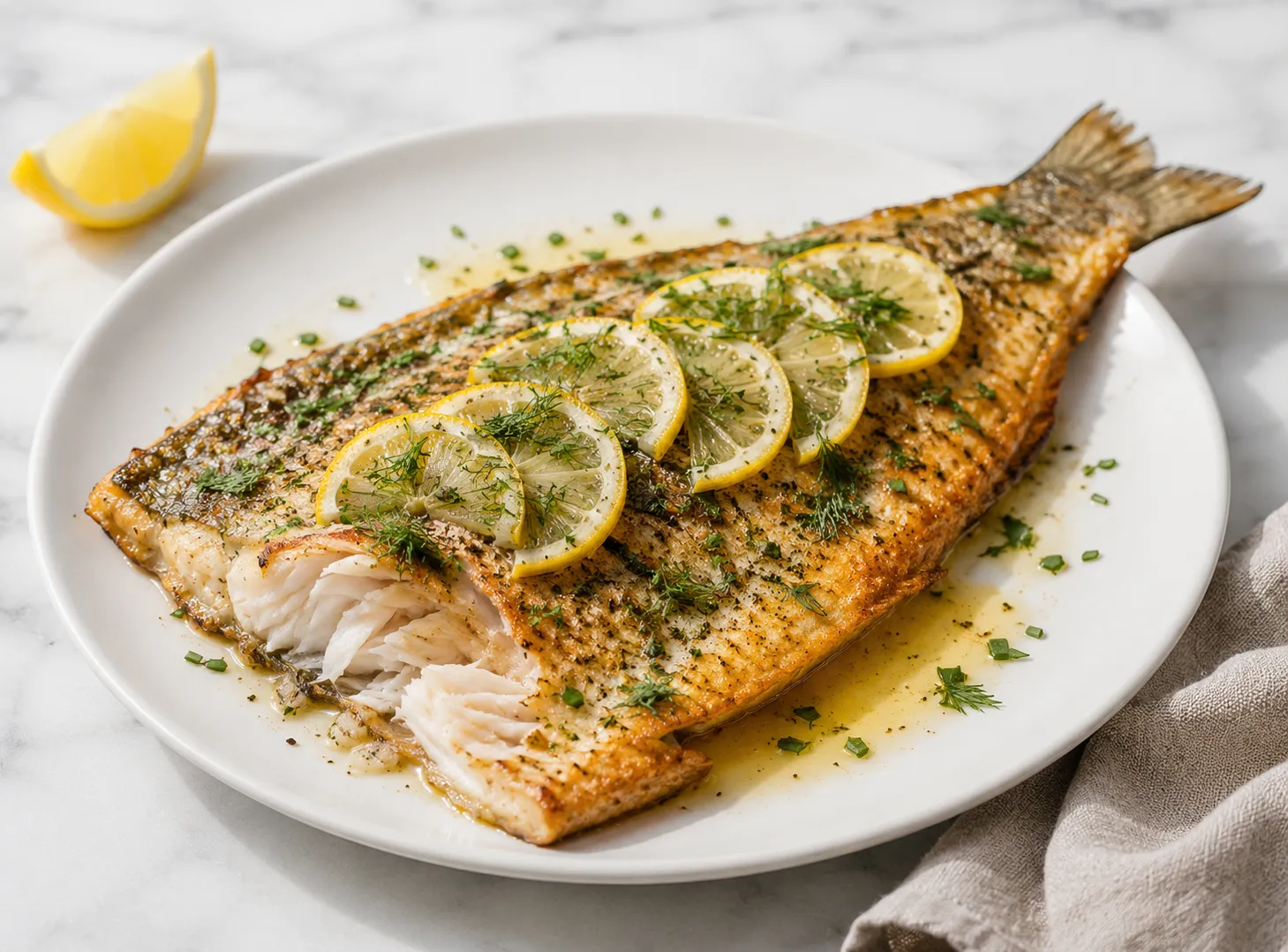
Baked trout is one of those dinners you can pull together on a weeknight without much planning, yet it still looks and tastes like something special. This recipe keeps things simple with olive oil, garlic, lemon, and a handful of fresh herbs, then lets the oven do most of the work. In under thirty minutes you get tender, flaky fillets with crisp edges and a bright, herby finish. It suits a quiet dinner at home just as well as a night when you have guests over and want something that feels put together without spending hours in the kitchen cooking.
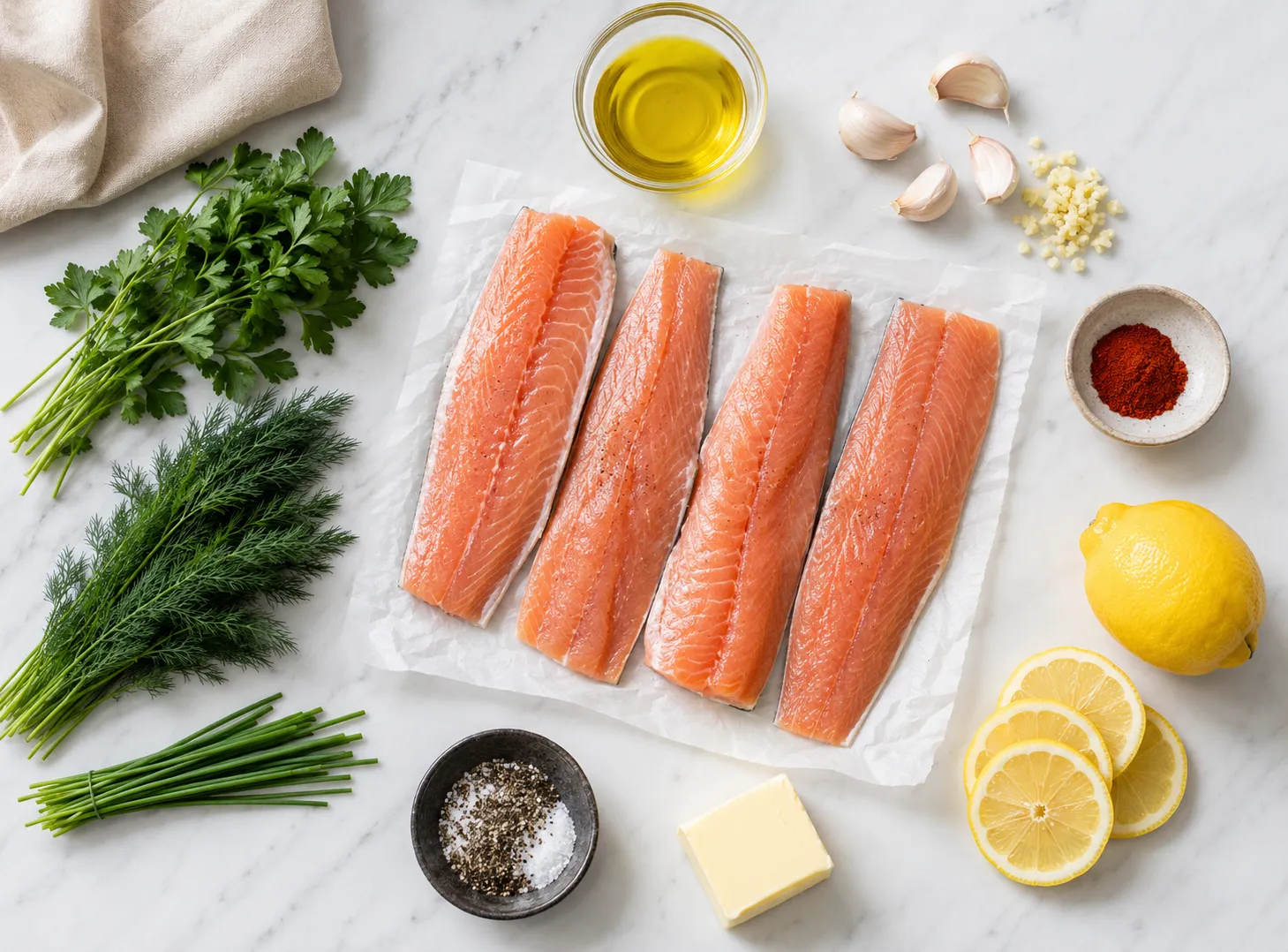
- 4 trout fillets, skin on, about 6 oz each
- 2 tablespoons olive oil
- 1 lemon, thinly sliced
- 3 cloves garlic, minced
- 1 teaspoon paprika
- salt , to taste
- black pepper , to taste
- 2 tablespoons fresh parsley, chopped
- 1 tablespoon fresh dill, chopped
- 1 tablespoon fresh chives, chopped
- 1 tablespoon butter, melted
- lemon wedges , extra, for serving
- fresh herb sprigs , for garnish
- Baking sheet or shallow baking dish
- Parchment paper or foil
- Sharp knife
- Cutting board
- Small mixing bowl
- Basting brush or spoon
- Meat thermometer, optional
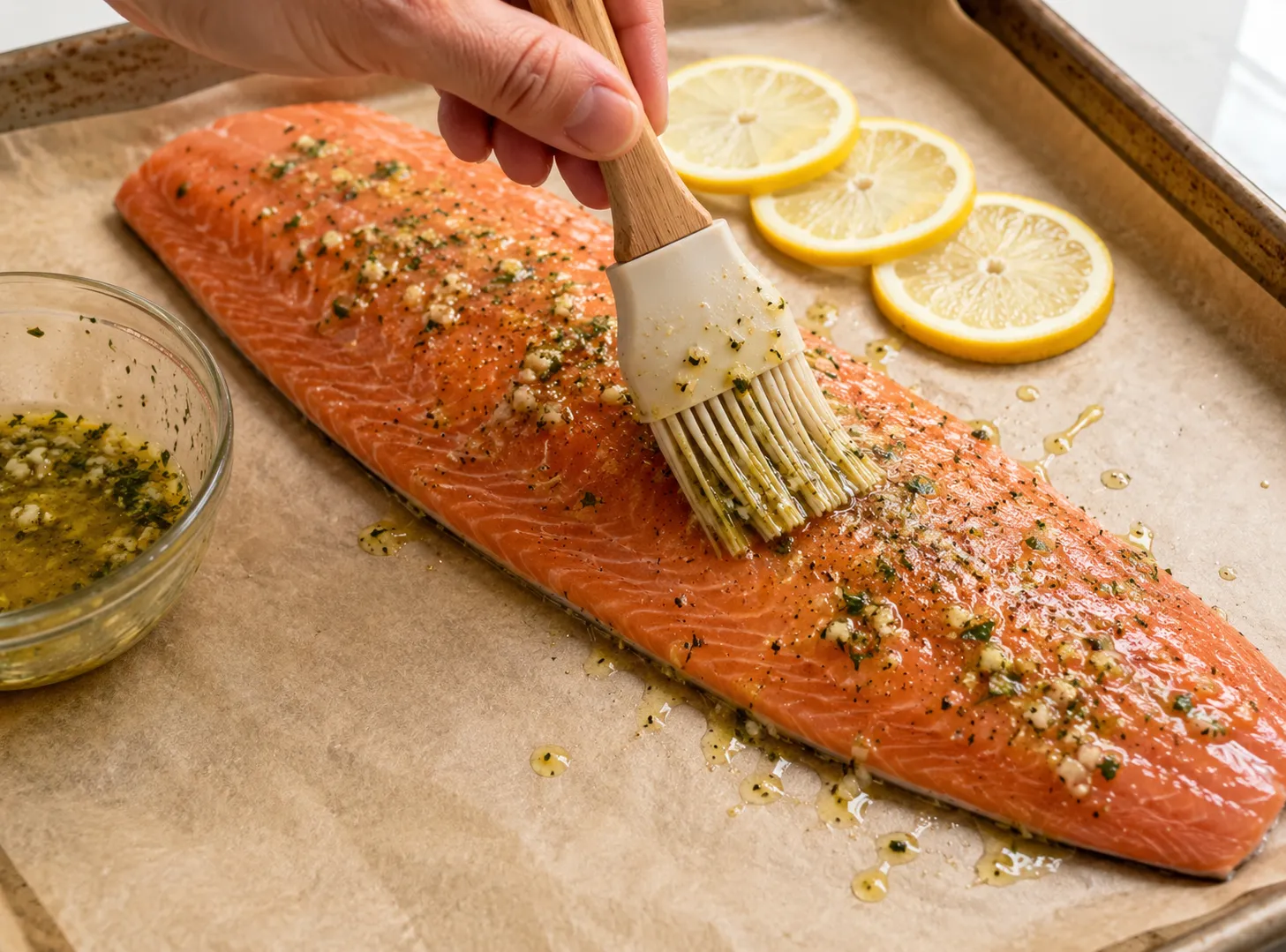
- Season the trout with oil, garlic, and spices.
- Lay the fillets on a baking sheet with lemon slices.
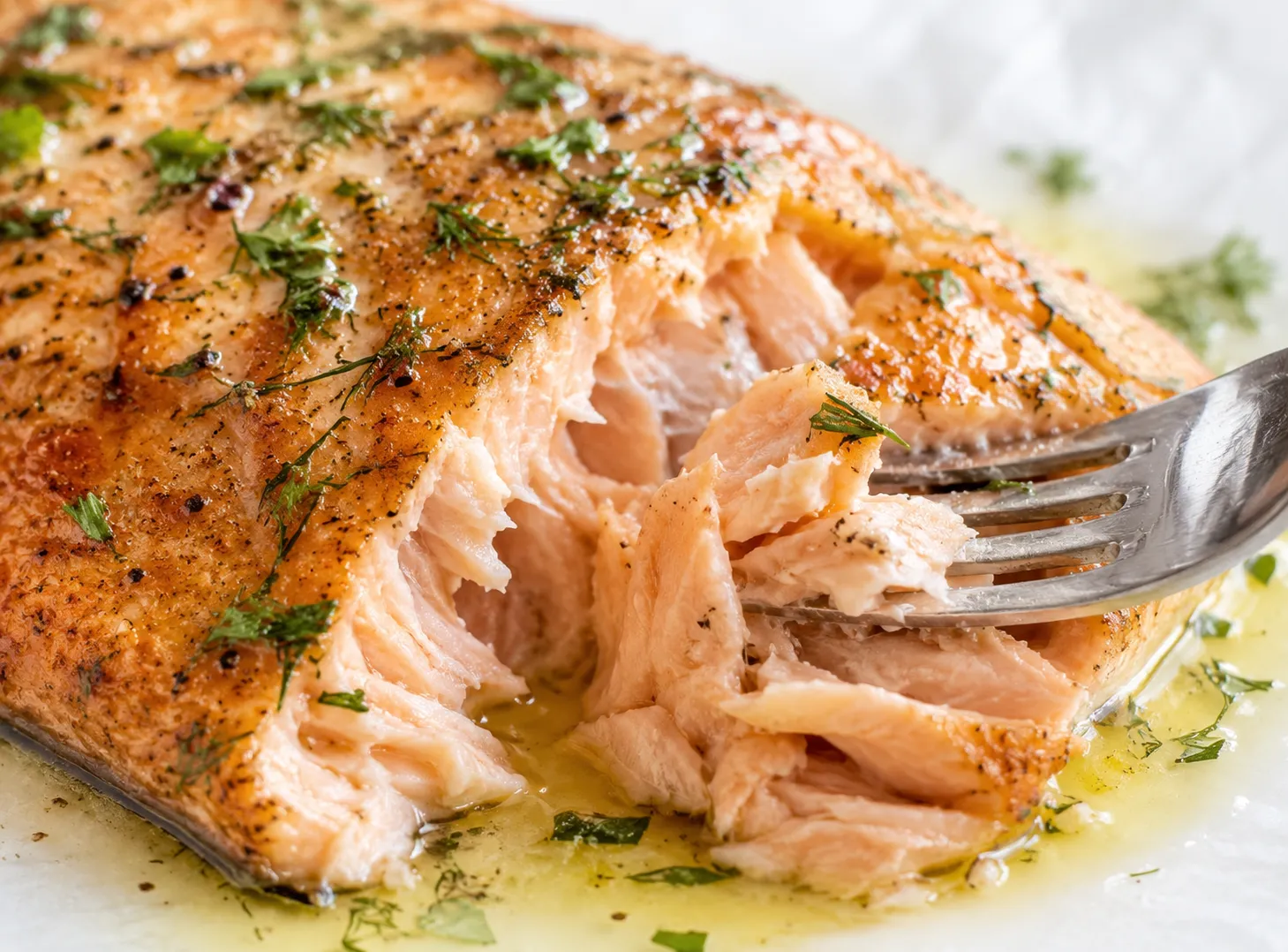
- Bake until the fish flakes easily with a fork.
- Top with fresh herbs and melted butter.
- Rest briefly, then serve while warm.
- Preheat the oven to 400°F, 200°C. Line a baking sheet with parchment paper or foil so cleanup is easy.
- Pat the trout fillets dry with a paper towel. Drying the skin helps it crisp instead of turning soggy in the oven.
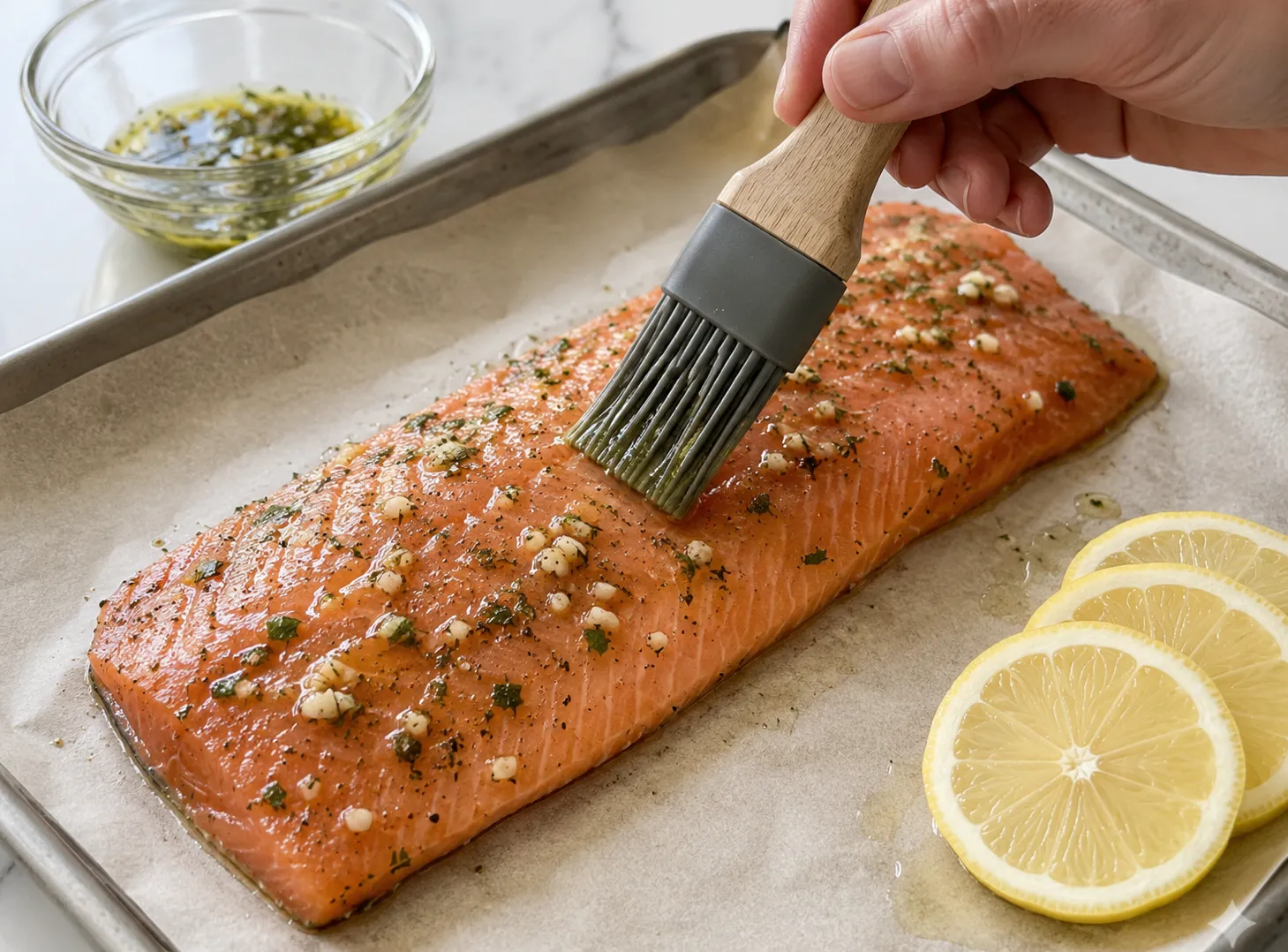
- Place the fillets skin side down on the baking sheet, leaving space between them so they cook evenly.
- In a small bowl, stir together the olive oil, minced garlic, paprika, salt, and pepper.
- Brush this mixture over each fillet so the surface is coated evenly.
- Lay lemon slices over and around the fillets. The lemon keeps the fish moist while adding a light citrus flavor as it bakes.
- Bake for 15 to 18 minutes, depending on how thick your fillets are.
- Check for doneness by pressing a fork into the thickest part. The fish should flake easily and look opaque all the way through.
- If you are using a thermometer, the internal temperature should read 145°F, 63°C.
- Take the trout out of the oven and drizzle the melted butter over the top right away.
- Sprinkle the chopped parsley, dill, and chives evenly across the fillets.
- Let the fish rest for 5 minutes before serving so the juices settle back into the flesh.
- Serve warm with extra lemon wedges and a few herb sprigs on the side.
- Buy fillets that smell clean and mild. Fish that smells sour or overly fishy has likely been sitting too long, and no amount of seasoning fixes that.
- Keep the skin on while baking. It protects the flesh underneath, holds the fillet together, and crisps up nicely on its own without any extra work from you.
- Give the fillets room on the baking sheet. If they are crowded together, they steam instead of roast, and you lose the crisp edges that make this dish worth making.
- Use a thin fish spatula when moving the fillets so they stay in one piece instead of breaking apart on the way to the plate.
- Fresh herbs make a real difference in this recipe. Dried herbs work in a pinch, but use about half the amount since they are more concentrated and can turn bitter if you use too much.
- Let the trout sit at room temperature for about 10 minutes before it goes in the oven. Fish straight from the fridge cooks unevenly, with the outside finishing before the center catches up.
- If your fillets vary in thickness, check the thinner ones a couple of minutes early so they do not overcook while the thicker ones are still catching up.
- A light hand with the oil goes a long way. You want just enough to help the seasoning stick and the skin crisp, not a pool sitting on the baking sheet.
- If you like a bit more color on the skin, switch the oven to broil for the last minute or two of cooking, but watch it closely so it does not burn.
- Overbaking the fish. Trout cooks fast, so start checking a few minutes before the timer goes off.
- Skipping the pat dry step, which is one of the main reasons the skin turns out soggy instead of crisp.
- Using too much oil, which can leave the fish greasy rather than light.
- Adding the fresh herbs before baking instead of after. They burn quickly under direct heat and lose their flavor.
- Underseasoning. Fish needs a fair amount of salt to taste balanced, more than most people expect.
- Cutting into the fillet right after it comes out of the oven. Give it those few minutes to rest so the juices do not run straight out.
- Roasted asparagus or green beans
- Garlic mashed potatoes
- A simple arugula salad with lemon vinaigrette
- Steamed rice or couscous
- Crusty bread for soaking up the juices
- Grilled zucchini or summer squash
- Refrigerator: store leftover trout in an airtight container for up to 2 days.
- Reheating: warm gently in a 275°F oven for about 10 minutes so the fish does not dry out.
- Microwave: try to avoid it if you can, since it tends to make the fish rubbery.
- Cold leftovers: flake the trout and add it to a salad or grain bowl the next day, no reheating needed.
- Freezing: not recommended, since the texture suffers once the fish thaws.
Yes. Thaw it fully in the refrigerator first, then pat it dry before seasoning so it bakes evenly instead of steaming.
No. Baking with the skin on and placing it skin side down helps the fillet hold together and keeps the flesh from drying out.
It should flake easily with a fork and look opaque throughout, or read 145°F on a thermometer at the thickest part.
You can mix the oil, garlic, and spice blend ahead and keep it in the fridge, but the fish itself bakes best fresh, right before serving.
Dried herbs work fine as a substitute. Use about half the amount since dried herbs are more concentrated than fresh.
It holds up reasonably well for a day or two and reheats decently, especially alongside sides like rice or roasted vegetables that you can prep in bulk.
- Fillet thickness affects cook time, so start checking a few minutes early rather than waiting for the full time to pass.
- A thin fish spatula makes serving much easier and keeps the fillets from breaking apart.
- This same method works for a whole trout too, though it will need a bit longer in the oven.
- Fresh lemon juice makes a noticeable difference compared to the bottled kind.
- Any leftover herb butter can be saved and used later on vegetables or warm bread.
Baked trout earns a spot in a regular dinner rotation because it asks so little and still delivers so much. In about thirty minutes you get a meal that looks put together, tastes fresh, and does not call for any complicated technique or hard to find ingredients. The lemon and herbs keep things light, while the butter adds just enough richness to round everything out. Once you have the basic method down, it is easy to adjust the seasoning or swap the sides depending on the season or whatever you already have in the fridge. This is a recipe worth keeping on hand for the nights when you want something good on the table without a lot of fuss or cleanup afterward.