Pineapple Chicken And Rice for an Easy Family Dinner
When you need a meal that bridges the gap between comfort food and something slightly brighter, Pineapple Chicken And Rice is an excellent candidate. It manages to balance savory soy-based notes with the natural, tropical acidity of pineapple, creating a contrast that feels fresh without requiring obscure pantry ingredients. For many home cooks, the challenge isn’t just the flavor—it is finding a reliable way to make chicken and rice in a way that respects the texture of both components without leaving the rice mushy or the chicken dry.
This dish is designed to be straightforward. By focusing on searing the protein first and using the pineapple juice as a fundamental component of the pan sauce, you build layers of flavor that would be missing if you simply tossed everything into a pot to boil. Whether you are aiming for a quick midweek meal or something consistent to add to your rotation, understanding how these ingredients interact is the key to success.
Why Pineapple Chicken And Rice Works for Busy Evenings
The appeal of this recipe lies in its efficiency and flavor profile. Unlike heavy, slow-cooked casseroles that require an hour in the oven, this stovetop method relies on high-heat searing followed by a quick simmer. The pineapple provides more than just sweetness; the enzymes in the fruit act as a natural tenderizer for the chicken, while the acidity cuts through the richness of the savory sauce base. This means you do not need heavy cream or long reduction times to achieve a complex taste.
Furthermore, because the chicken is cut into uniform bite-sized pieces, it cooks rapidly. This uniformity also ensures that the protein cooks through at the same rate as the sauce thickens. If you choose to serve this over rice, you can prepare the rice separately while the chicken cooks, meaning the entire meal can be on the table in under thirty minutes. It is a reliable, repeatable process that produces consistent results regardless of your experience level in the kitchen.
Choosing Your Ingredients: Chicken and Pineapple
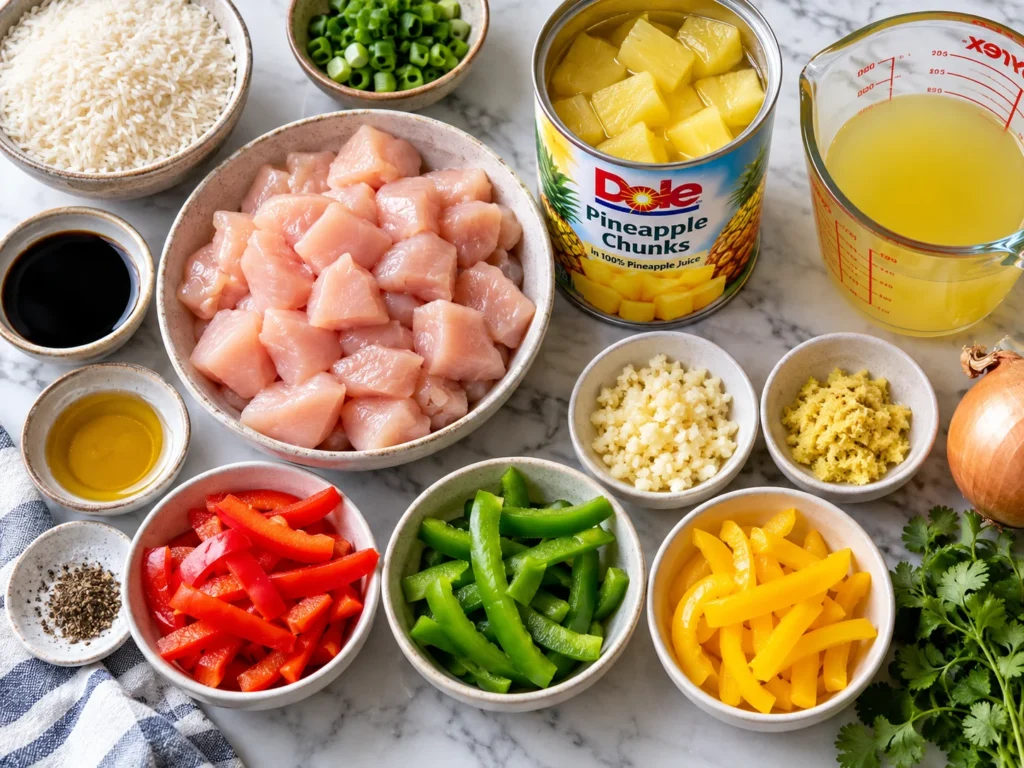
For the chicken, you have two primary options: boneless, skinless breasts or thighs. Breasts are the leaner, faster-cooking choice, but they require careful attention to avoid drying out during the searing process. If you prefer a more forgiving cut that stays juicy even if it cooks for an extra minute, chicken thighs are the better choice. They offer a higher fat content which adds depth to the sauce.
When it comes to the pineapple, canned chunks are often the most practical choice for this specific application. The juice in the can is concentrated and acts as a ready-made base for your sauce. If you have fresh pineapple, you will need to add a bit of water or chicken broth to compensate for the missing liquid. If you use fresh, try to cut the chunks to a similar size as your chicken pieces so that every bite contains a balanced ratio of fruit to meat. Avoid crushing the pineapple during the stir-fry; you want to retain the texture of the fruit so it provides a distinct contrast to the tender chicken.
Technique: The Importance of the Sear
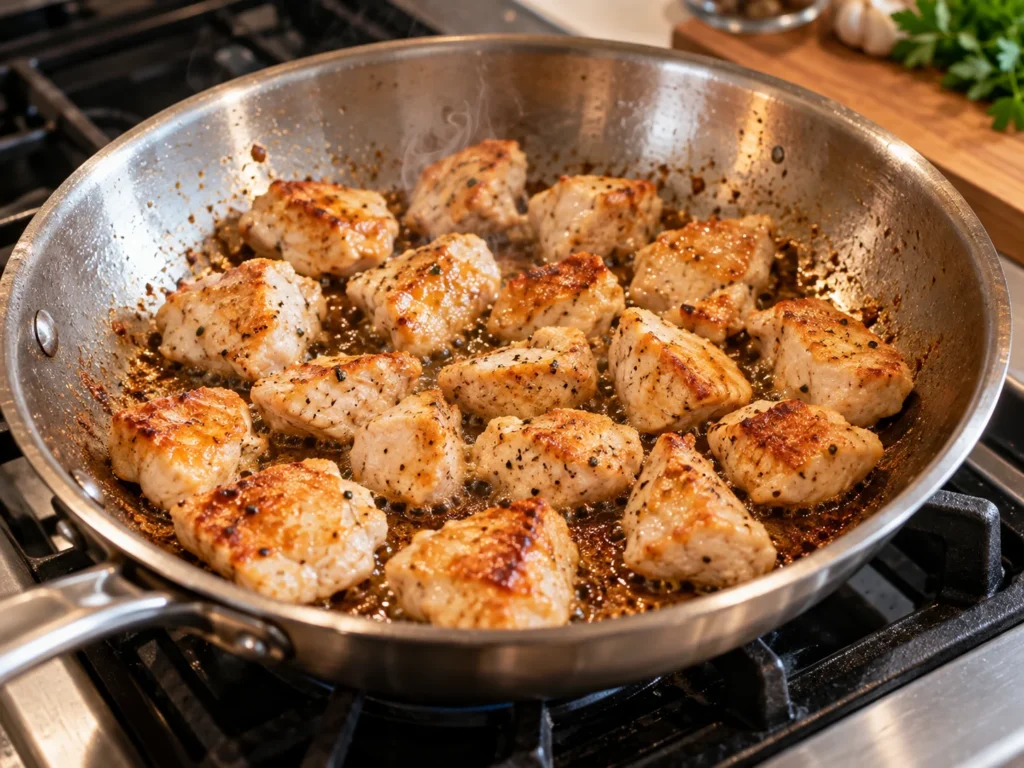
Before you add any liquid, you must brown the chicken. This step is non-negotiable. Place your seasoned chicken into a hot pan with a small amount of neutral oil. Do not overcrowd the pan; if the chicken is packed too tightly, it will steam rather than sear, leaving you with pale, rubbery meat. Let it cook undisturbed for a minute or two until a golden-brown crust forms on the bottom of the pieces. This Maillard reaction is where the foundational flavor of your Pineapple Chicken And Rice comes from.
Once the chicken has developed color, you remove it briefly to make the sauce. This allows you to control the thickness of the glaze. If you crowd the pan with the liquid while the chicken is still inside, you lose the ability to easily control the sauce consistency. By working in stages—searing, building the sauce, and then combining—you ensure that the final dish is cohesive rather than a watery soup.
Balancing the Sauce and Achieving Texture
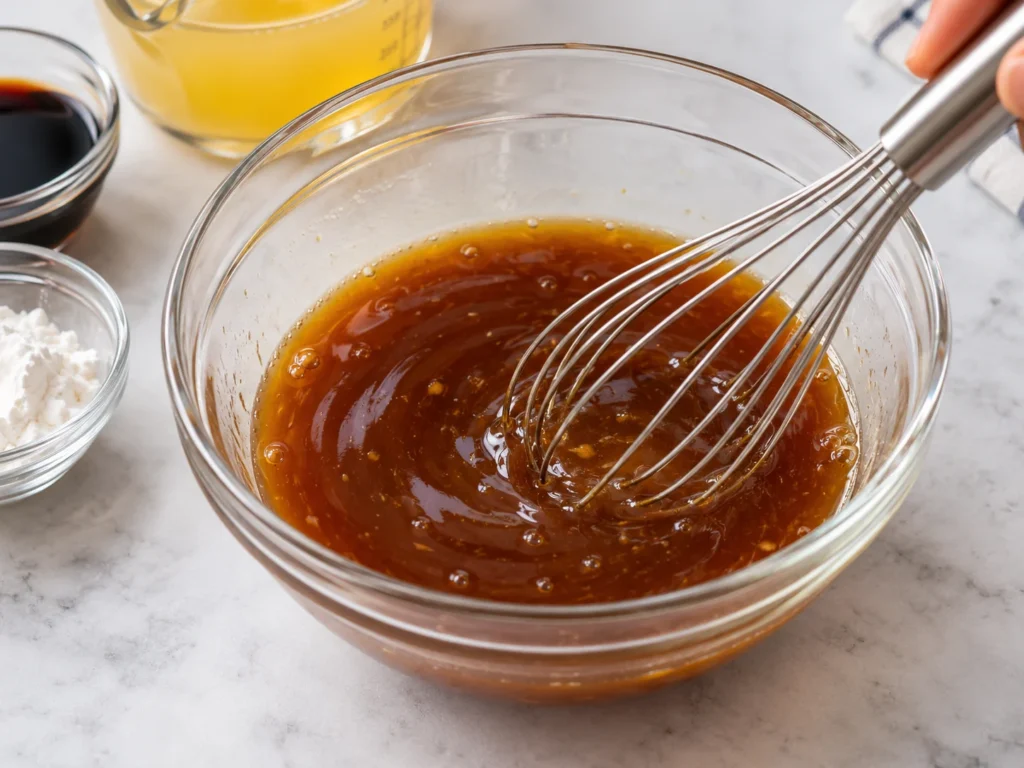
The sauce needs to be thick enough to coat the chicken and rice, not run to the bottom of the bowl. A simple cornstarch slurry is the most effective way to achieve this. Whisk a tablespoon of cornstarch into cold pineapple juice or broth before adding it to the pan. Adding cornstarch directly to hot liquid will cause it to clump instantly, creating unappealing white spots in your sauce.
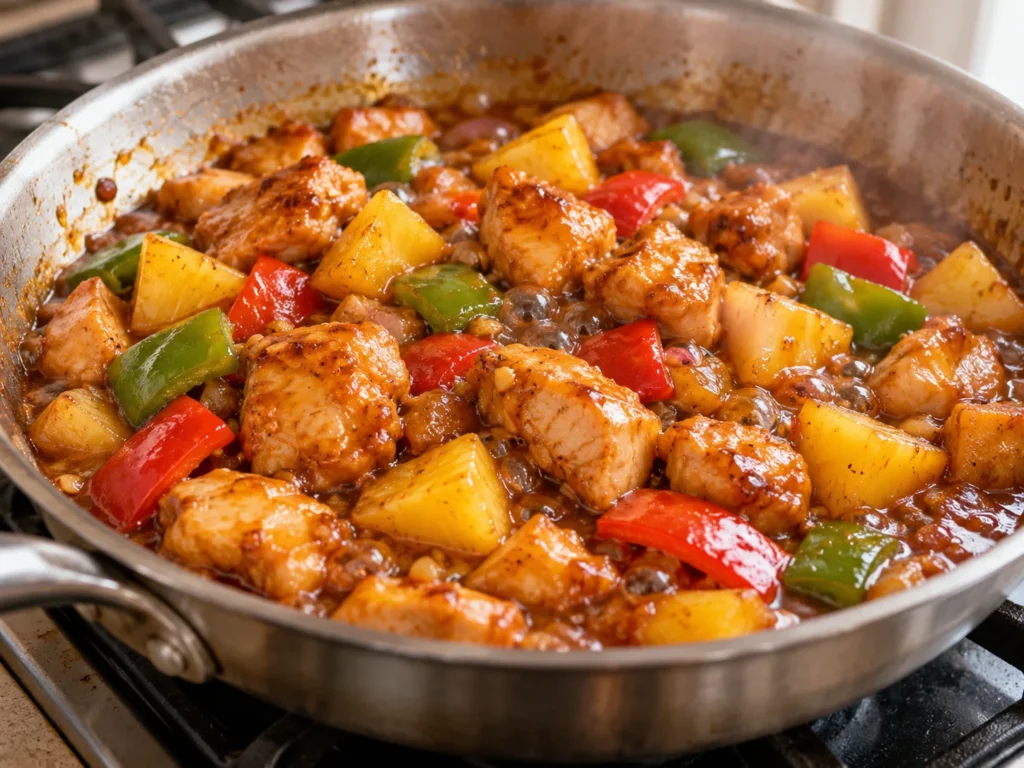
As you simmer the sauce, look for it to turn from opaque to translucent and glossy. This visual cue tells you the cornstarch has fully activated. At this point, add your seared chicken and pineapple chunks back into the pan. Toss them gently to coat. You only need to cook this for another minute or two—just long enough for the chicken to heat through and for the flavors to meld. If you leave it on the heat too long at this stage, the pineapple will soften too much, and you lose that essential bite.
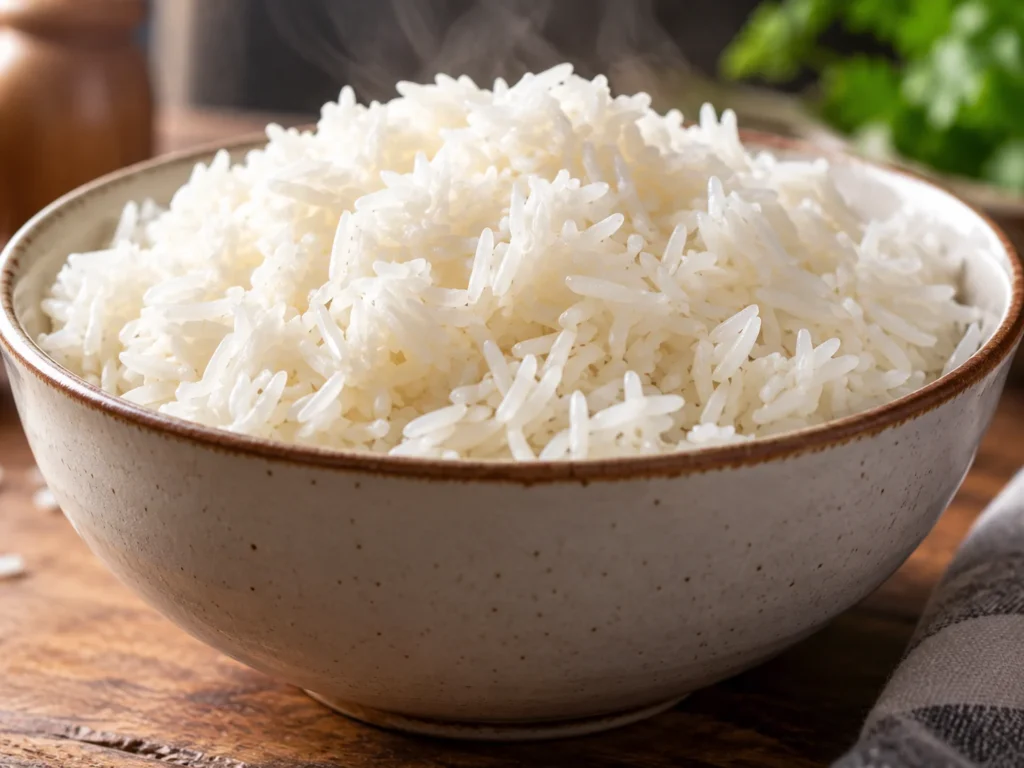
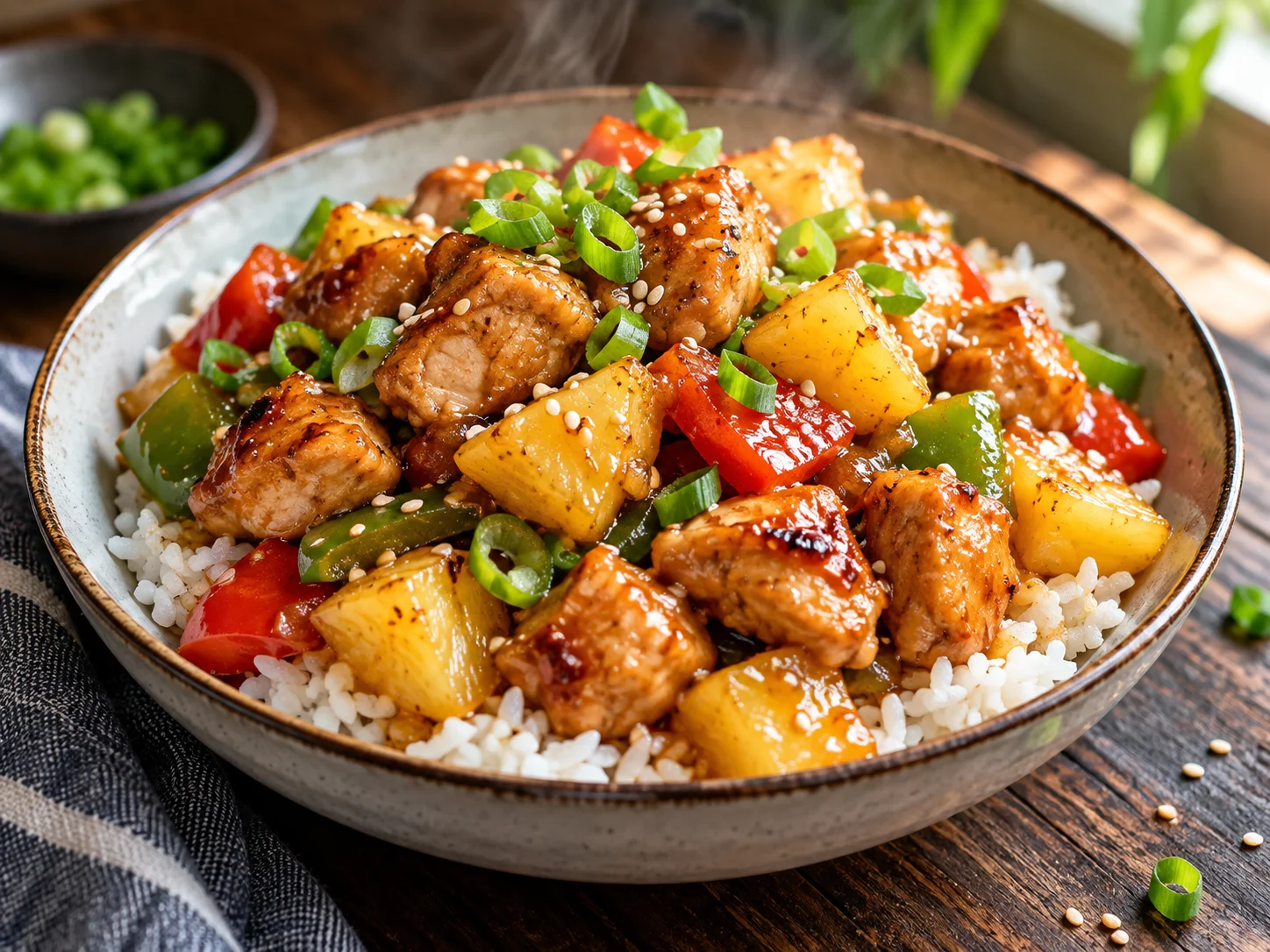
Serving this dish is best done immediately. Scoop a portion of hot, fluffy steamed rice into a bowl, and ladle the pineapple chicken mixture directly over the top. The sauce will naturally soak into the rice, creating a flavorful, integrated meal. If you want to add a garnish, chopped green onions, a sprinkle of sesame seeds, or a few red pepper flakes for heat are excellent finishing touches that do not complicate the recipe.
Storing your leftovers is straightforward, though keep in mind that the pineapple and sauce will soften the rice over time if stored together. For the best quality, store the chicken mixture and the rice in separate airtight containers in the refrigerator. When reheating, a splash of water or a little bit of chicken broth can help bring the sauce back to a glossy, smooth consistency without overcooking the chicken pieces.
By following these steps, you can avoid the common pitfalls of one-pot style meals—namely, overcooked meat and soggy rice. This approach to Pineapple Chicken And Rice gives you control over every stage of the process, ensuring that your quick dinner doesn’t taste like a compromise on quality or flavor.
Frequently Asked Questions
Can I use fresh pineapple instead of canned?
What is the best type of rice to serve with this dish?
Why did my sauce become clumpy?
Is this Pineapple Chicken and Rice recipe freezer-friendly?
Pineapple Chicken And Rice for an Easy Family Dinner
A balanced, quick, and savory-sweet Pineapple Chicken and Rice meal perfect for busy weeknights.
Ingredients
- 1.5 lbs boneless, skinless chicken breast or thighs, cut into 1-inch cubes
- 2 tablespoons vegetable oil
- 1 can (20 oz) pineapple chunks in juice (reserve the juice)
- 1/2 cup soy sauce
- 2 tablespoons rice vinegar
- 1 tablespoon cornstarch
- 2 cloves garlic, minced
- 1 teaspoon fresh ginger, grated
- 1 red bell pepper, diced
- 3 cups cooked white rice, for serving
- Green onions, sliced for garnish
- Salt and black pepper to taste
Instructions
- Prepare your ingredients by cutting the chicken into uniform, 1-inch cubes and dicing the bell pepper.
- In a small bowl, whisk together 1/2 cup of the reserved pineapple juice, soy sauce, rice vinegar, and cornstarch until smooth. Set aside.
- Heat the vegetable oil in a large skillet over medium-high heat.
- Season the chicken with a pinch of salt and pepper. Add to the skillet in a single layer, ensuring not to overcrowd the pan. Sear for 5-6 minutes until golden brown and cooked through. Remove chicken from the pan and set aside.
- In the same skillet, add the bell peppers and garlic. Sauté for 2-3 minutes until the peppers are slightly softened.
- Pour the sauce mixture into the skillet. Bring to a simmer, stirring constantly, until the sauce thickens and becomes glossy, about 2 minutes.
- Return the cooked chicken and the pineapple chunks to the skillet. Toss everything together to coat thoroughly and heat through for 1-2 minutes.
- Serve immediately over a bed of hot, fluffy white rice, topped with sliced green onions.
Notes
For best results, serve immediately. If storing, keep the chicken mixture and rice in separate containers to prevent the rice from absorbing too much sauce and becoming soggy.
You can easily add extra heat by adding a pinch of red pepper flakes or sriracha to the sauce mixture before simmering.
Nutrition
| Calories | 420 |
| Protein | 32g |
| Total Fat | 9g |
| Carbohydrates | 52g |
| Fiber | 2g |
| Sugar | 18g |
| Sodium | 850mg |