
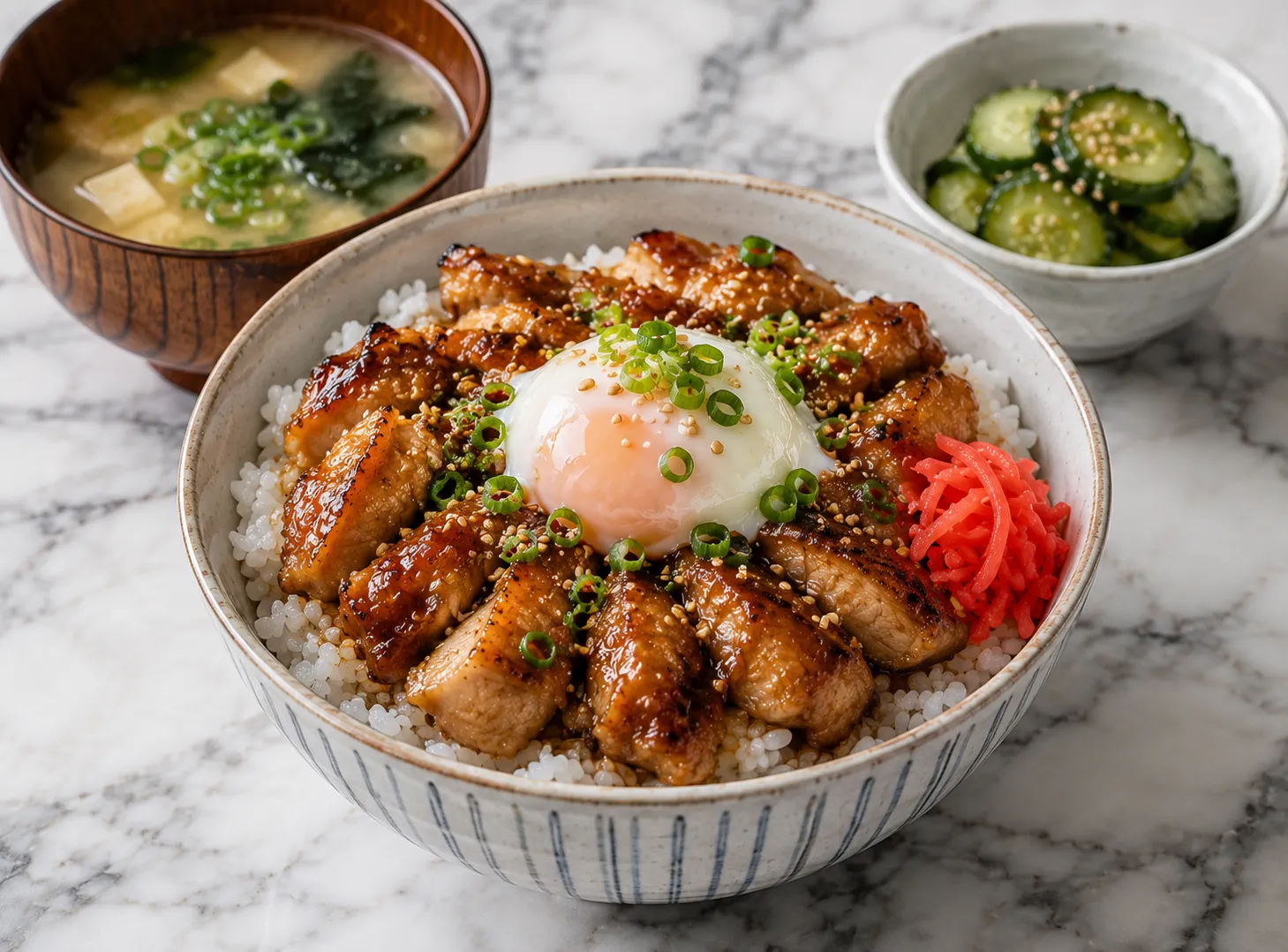
If you have been putting off Japanese cooking because it seems complicated, this guide will change that. These japanese recipe ideas cover the dishes people actually want to eat: rice bowls, noodle soups, crispy tofu, tender braised beef, and more. The ingredients are straightforward. The techniques are simple once you understand the logic behind them. Whether you are cooking Japanese food for the first time or looking to expand what you already know, every recipe here is built for a real home kitchen with real weeknight energy.
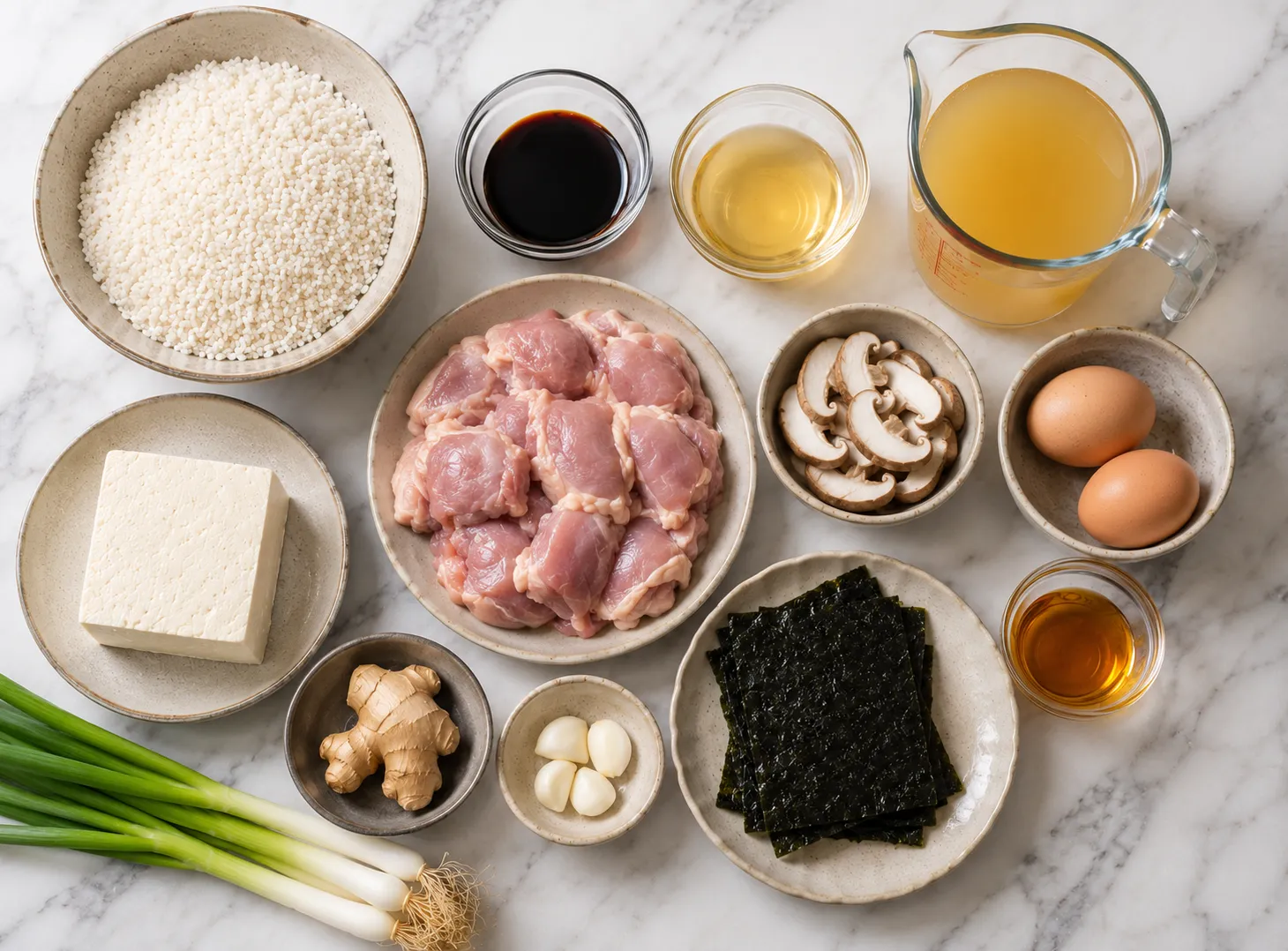
- 2 cups Japanese short-grain rice , Koshihikari or sushi rice
- 4 cups dashi stock , or water with dashi powder
- 3 tablespoons soy sauce , Japanese shoyu preferred
- 2 tablespoons mirin , use hon mirin if possible
- 1 tablespoon sake
- 1 tablespoon sugar
- 1 tablespoon sesame oil
- 2 teaspoons rice vinegar
- 500 g boneless skinless chicken thighs , or substitute beef, tofu, shrimp, or eggs
- 300 g thinly sliced beef , for gyudon or sukiyaki
- 200 g firm tofu , cubed, pressed dry before cooking
- 4 eggs
- 200 g raw shrimp , peeled and deveined
- 1 medium onion , thinly sliced
- 3 cloves garlic , minced
- 1 tablespoon fresh ginger , grated; freeze for easy grating
- 2 stalks green onions , chopped
- 1 cup shredded cabbage
- 1 cup mushrooms , shiitake or button
- 1 sheet nori , cut into strips
- sesame seeds , to taste
- pickled ginger (beni shoga) , to taste
- Japanese mayonnaise , Kewpie recommended
- furikake seasoning , to taste
- shichimi togarashi , optional, for heat
- Medium saucepan
- Large skillet or wok
- Rice cooker or pot with tight-fitting lid
- Sharp chef's knife
- Cutting board
- Small and medium mixing bowls
- Wooden spoon or silicone spatula
- Strainer or colander
- Measuring cups and spoons
- Tongs
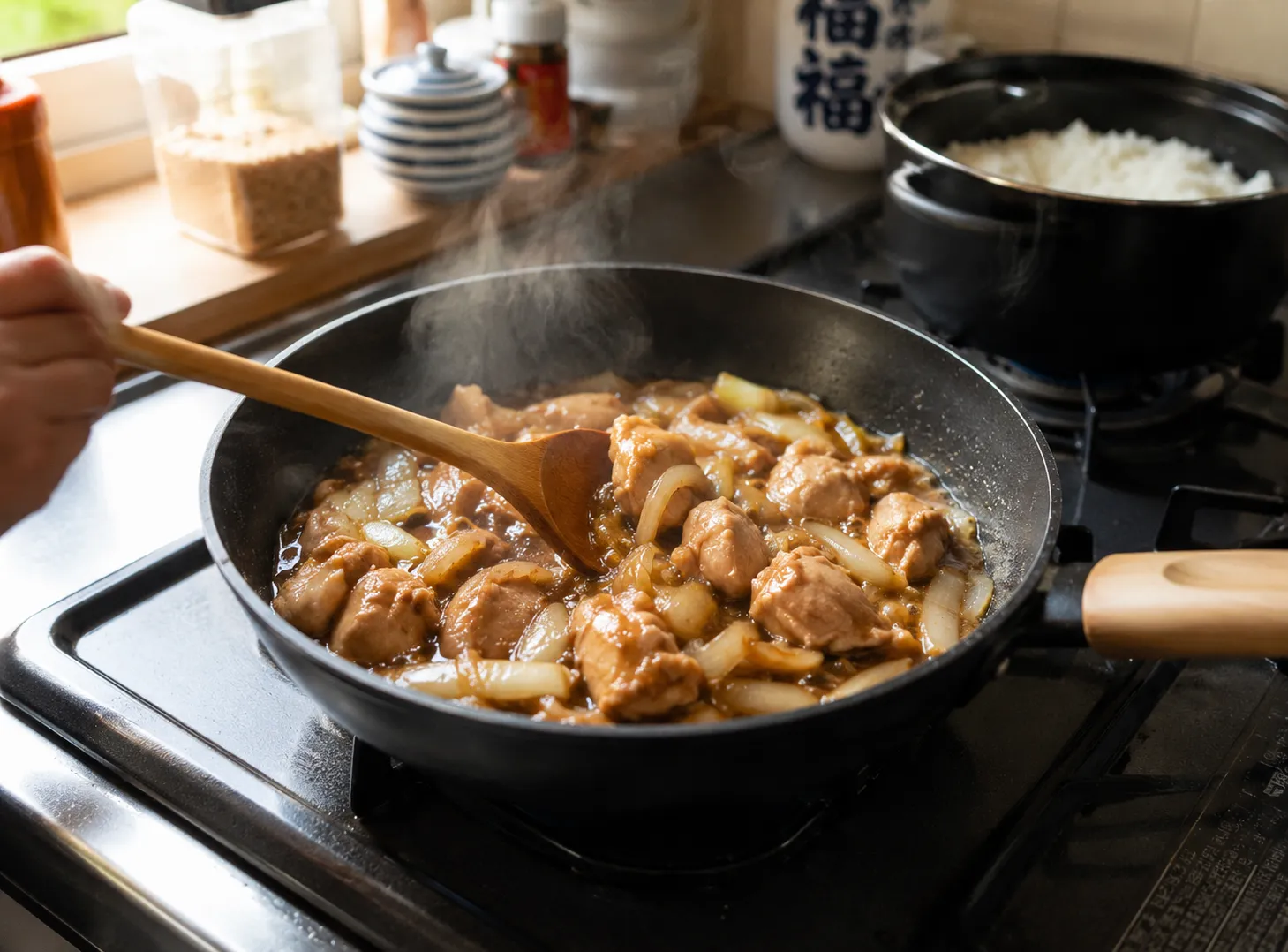
- Start the rice first so it finishes while you cook everything else. Marinate your protein in soy sauce, mirin, and sake for at least 10 minutes. Cook garlic and ginger in oil until fragrant, then add the protein. Build the sauce in the pan using dashi stock and your seasoning mix. Serve over rice and top with whatever garnishes you like.
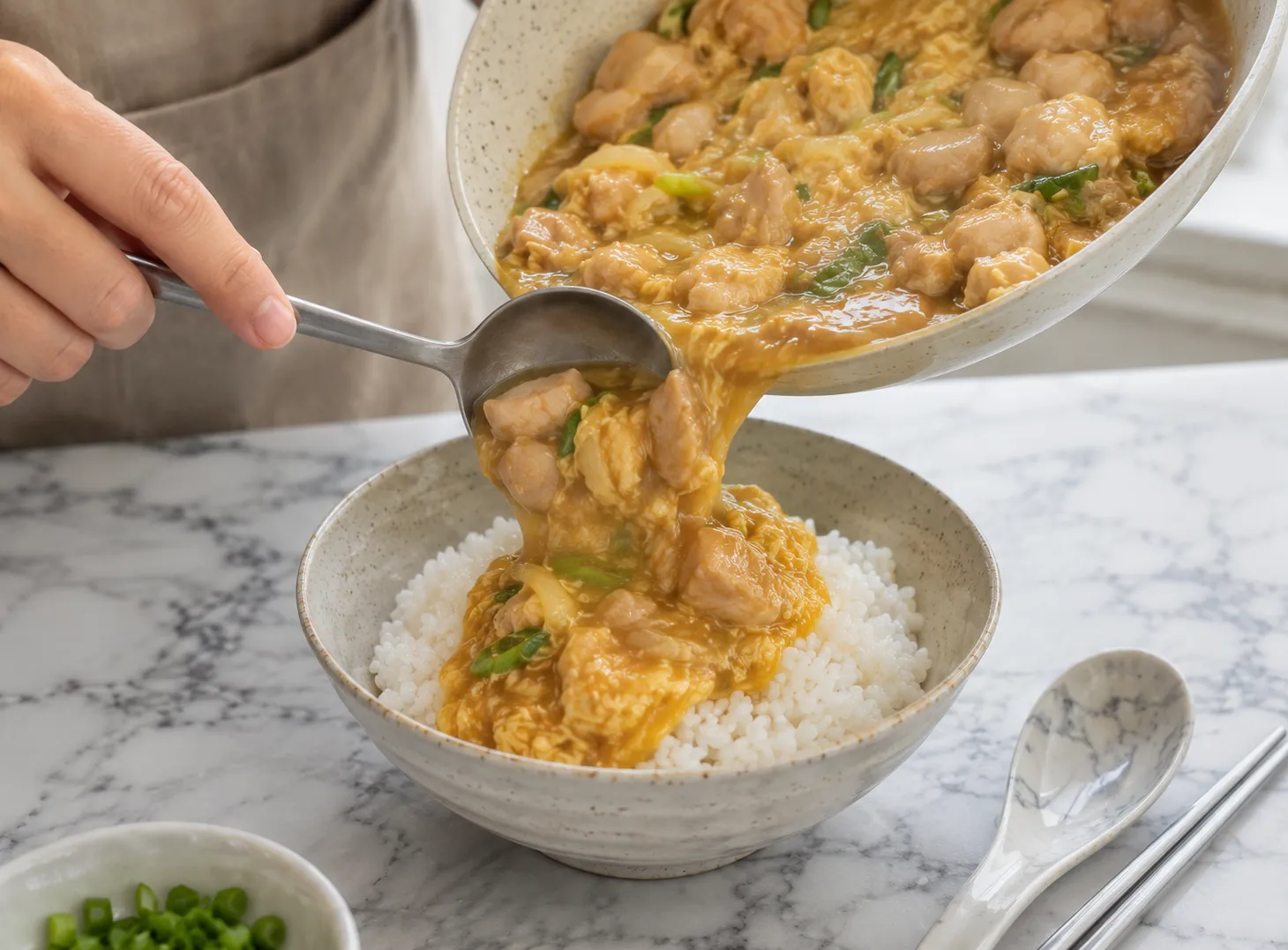
- Rinse the rice in a bowl of cold water, swirling gently. Pour off the cloudy water and repeat until it runs nearly clear. This takes about 3 rinses and makes a real difference in texture.
- Add rinsed rice to your pot with water. Use a 1:1.1 ratio, so slightly more water than rice.
- Bring to a boil over medium-high heat. As soon as it boils, turn the heat to the lowest setting and cover tightly.
- Cook for 12 minutes without lifting the lid.
- Turn off the heat and let the rice sit covered for 10 minutes. The steam finishes the cooking. Do not open the lid.
- While the rice rests, mix soy sauce, mirin, sake, and sugar in a small bowl. Stir until the sugar fully dissolves.
- Heat sesame oil in a skillet over medium heat. Add garlic and ginger. Stir for about 30 seconds until it smells fragrant but not burnt.
- Add sliced onion. Cook for 3 to 4 minutes, stirring occasionally, until softened and starting to turn golden at the edges.
- Add your protein. Let it sit for 2 minutes without stirring to get some color. Then stir and cook until done through.
- Pour in the soy sauce mixture. Toss everything to coat evenly.
- Add dashi stock. Let it come to a gentle simmer and cook for about 5 minutes. The sauce will reduce slightly and thicken.
- If you are adding eggs, push the other ingredients aside. Crack eggs directly into the simmering liquid. Cook until the whites are just set but the yolk is still soft.
- Taste the sauce. Adjust with a touch more soy sauce if needed.
- Spoon everything over steamed rice. Add green onion, sesame seeds, or any toppings you like. Serve right away.
- Use Japanese short-grain rice, labeled Koshihikari or sushi rice at most stores. The starch content is what gives it the right texture.
- Real dashi made from kombu and bonito flakes tastes noticeably better than powder, but instant dashi works fine for regular weeknight meals.
- Slice proteins thin and against the grain. Thinner cuts cook faster and pick up marinade flavor more effectively.
- Do not crowd the pan. If you are cooking a larger batch, sear the protein in two rounds. A crowded pan steams instead of browning.
- Mirin is worth buying properly. It adds sweetness, gloss, and a slightly complex finish that sugar alone cannot replicate.
- Keep your heat moderate when simmering the sauce. High heat makes soy sauce taste sharper and less balanced.
- Press tofu dry before cooking it. Wrap in a clean kitchen towel, set something heavy on top, and leave it for 15 minutes. It browns much better this way.
- Grate ginger from frozen. Keep a piece in the freezer and use a microplane straight from the freezer for less mess and easier grating.
- Japanese mayo (Kewpie) is richer and slightly tangier than regular mayo. It is worth picking up if you have access to an Asian grocery store.
- Skipping the rice rinse. The extra starch makes the rice gummy and heavy.
- Opening the lid while rice cooks or rests. Every time you open it, you lose steam and add cooking time.
- Adding too much soy sauce upfront. Season in the recipe amount, then adjust at the end. You can always add more but you cannot take it out.
- Cooking protein over too-high heat for too long. Japanese dishes are meant to be tender. Pull the protein when it is just cooked through.
- Adding cold dashi directly to a very hot pan. It can cause the temperature to drop unevenly. Room temperature stock is better.
- Not marinating. Even 10 minutes in the soy, mirin, and sake mixture makes a visible difference in the finished dish.
- Using the wrong soy sauce. Regular, low-sodium, and tamari each taste slightly different. Tamari is the best gluten-free swap.
- Not tasting the sauce before serving. Adjust as needed because every batch can differ slightly depending on your brand of soy sauce and dashi.
- No dashi: Use chicken broth with a small piece of kombu steeped in it for 5 minutes. It is a reasonable substitute.
- Gluten-free: Use tamari instead of soy sauce and check that your mirin brand is gluten-free.
- Vegetarian: Swap meat for firm tofu or a mix of mushrooms. Use kombu dashi only, skipping the bonito flakes.
- Vegan: Same as vegetarian, and skip eggs. Use plant-based Japanese mayo if you want the topping.
- No mirin: Combine 1 tablespoon dry sherry with half a teaspoon of sugar. It is not identical but works in a pinch.
- No sake: Dry white wine is the closest substitute. You can also leave it out entirely.
- Spicier: Stir in shichimi togarashi or a drizzle of chili oil at the end.
- Lighter: Use chicken breast instead of thigh, reduce soy sauce slightly, and add extra dashi to loosen the sauce.
- Gyudon version: Swap chicken for thinly sliced beef. Simmer gently so the beef stays tender.
- Oyakodon version: Cook chicken and egg together in the dashi broth. The egg should be slightly runny at the center when you serve it.
- Miso soup with silken tofu and wakame seaweed
- Japanese pickles for acidity and crunch alongside the rice
- Steamed edamame with a little sea salt
- Chilled cucumber salad dressed with rice vinegar and sesame oil
- Soft-boiled marinated eggs (ajitsuke tamago)
- Simple green salad with sesame dressing
- Takuan (yellow pickled daikon)
- Extra rice
- Refrigerate leftovers in an airtight container for up to 3 days.
- Store rice and the protein mixture separately so the rice does not get soggy overnight.
- Do not freeze dishes that contain egg. The texture becomes rubbery after thawing.
- To reheat rice, add a small splash of water, cover loosely, and microwave in 30-second bursts. Stir between each.
- Reheat the sauce and protein in a small saucepan over low heat. Add a tablespoon of water or dashi if the sauce has thickened too much in the fridge.
- Leftover rice and protein works well packed into onigiri the next day.
- The sauce and protein without rice can be frozen for up to 1 month. Thaw overnight in the fridge before reheating gently.
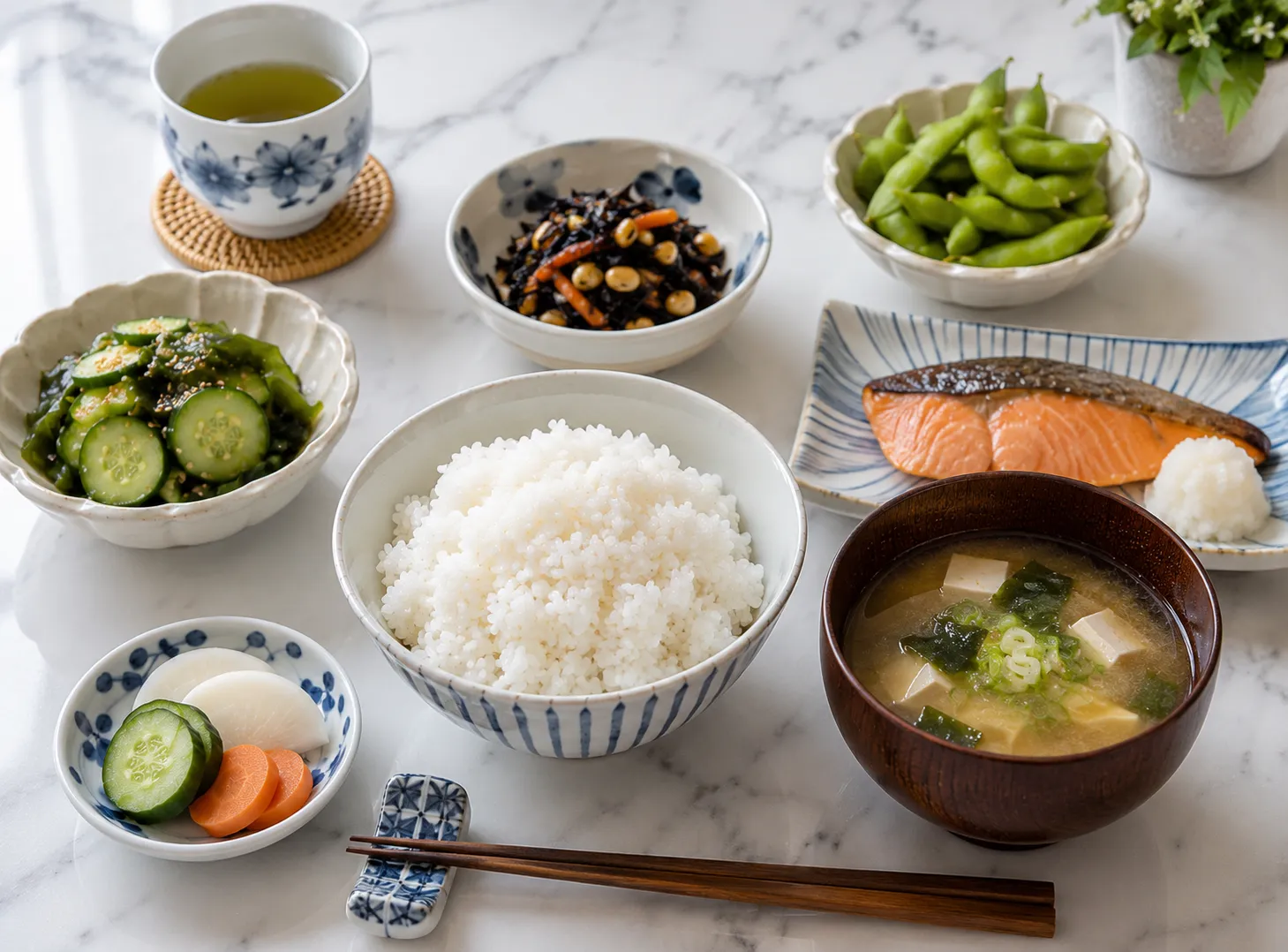
Use Japanese short-grain rice, sold under names like Koshihikari or labeled as sushi rice. Long-grain varieties have a different starch structure and will not give you the same sticky-but-separate texture.
Yes. Kombu dashi uses only dried kelp and water. It is lighter in flavor but still adds real depth. Steep a piece of kombu in cold water for 30 minutes, then heat gently and remove the kombu before it boils.
It adds mild sweetness, helps the sauce cling to the food, and creates that glossy finish you see on Japanese rice bowl dishes. It also balances the saltiness of soy sauce without making things taste sugary.
No. Many japanese recipe ideas start with the same five pantry ingredients. Once you cook a rice bowl or simple soup once, you will see how the seasoning logic repeats across dozens of dishes.
Add more dashi stock to dilute it. A small amount of sugar can also round out the saltiness without making the dish sweet.
A wide, heavy skillet works fine. The main thing is not overcrowding the pan, which a wok makes easier. If your skillet is smaller, just cook in batches.
- Dashi powder is sold in small foil packets at most Asian grocery stores. One packet typically makes 2 to 4 cups of stock depending on the brand.
- Standard Japanese soy sauce (shoyu) is what these recipes are built around. Kikkoman is easy to find and consistent in flavor.
- Sushi rice and Japanese short-grain rice are the same product sold under two different labels. Either one works.
- Store a knob of fresh ginger in the freezer. Grate it directly from frozen on a microplane. It takes seconds and there is no peeling needed.
- Hon mirin is real mirin. Products labeled mirin-style seasoning have added sweeteners and lower alcohol content, which changes how the sauce behaves.
- Nori goes stale quickly after the package is opened. Seal it in a zip-lock bag and keep it at room temperature.
- These recipes scale up easily. Double all the sauce ingredients proportionally and cook the protein in batches rather than one crowded pan.
- If you are new to these japanese recipe ideas, start with a simple chicken rice bowl (oyakodon) before moving to more involved dishes.
Japanese home cooking is one of those things that feels more approachable every time you do it. The pantry staples overlap across almost every dish, the techniques repeat, and the flavors are clean enough that you can tell when something is working. These japanese recipe ideas are a real starting point, not a simplified shortcut. Cook one recipe until you feel comfortable, then try the next. You will notice that the logic stays the same and only the protein or format changes. That is what makes Japanese home cooking so worth learning. Once you have the basics down, you can cook a proper Japanese meal on any given weeknight without thinking twice about it.